You do not need a background in fighting to start martial arts, you just need a plan you can actually follow.
Starting martial arts can feel like stepping into a room where everyone else already knows the rules. We get it, the first day comes with questions: What do I wear, what if I slow the class down, what if I do something wrong? Our job is to make the path clear, not intimidating, and to help you build real skill one class at a time.
In Fresno, a lot of people want training that is practical, structured, and genuinely beginner-friendly. We built our programs to meet you where you are, whether you are here for fitness, self-defense, confidence, or a long-term goal like earning a black belt. The point is progress that feels earned.
This guide walks you through what the journey looks like in our academy, from your first week to advanced training. If you have been searching for martial arts in Fresno, we want you to leave this page with a simple, step-by-step picture of what happens next.
Why martial arts progress is not about talent, it is about structure
Natural athleticism helps, but it is not the deciding factor. The biggest difference between people who stick with martial arts and people who fade out is usually structure: clear fundamentals, consistent training, and a safe room to make mistakes. That is the real secret.
We also focus on skill development over chasing belt promotions. Belts matter, but they should reflect capability, not calendar time. When your training is built on fundamentals, you feel it in sparring, in conditioning, and in how calm you stay under pressure.
Most beginners do not need more intensity. You need a simple framework: learn the basics, repeat them with better timing, and add layers only when you are ready. That is how you go from zero to black belt without burning out.
Step 1: Choose your reason for training and let it guide your schedule
Before you worry about gear or technique names, get clear on why you are starting. Your reason becomes your compass, especially on days when you are tired and the couch is calling your name.
Common goals we help students train toward include self-defense, fitness, stress relief, and long-term mastery. None of these goals are “better” than the others. The best goal is the one that keeps you showing up.
Once you know your goal, match it to a realistic weekly plan. Two days per week can change your life if you are consistent. Three to four days per week accelerates improvement fast. The key is picking a pace you can sustain for months, not just for a motivated week.
Step 2: Your first class, what to expect and how to prepare
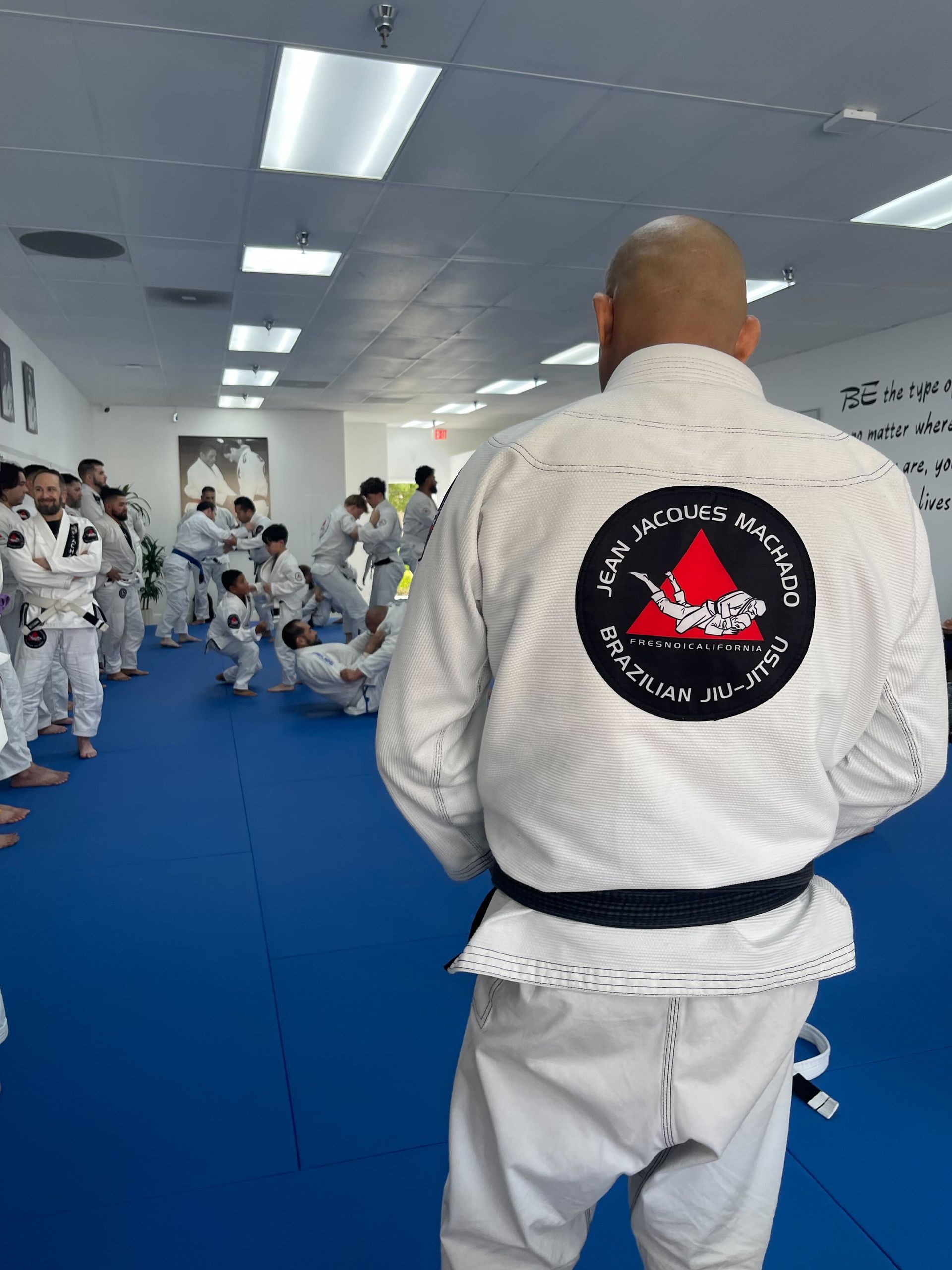
Your first martial arts class should feel welcoming and structured, not chaotic. We run classes with a clear flow so you are not guessing what to do next. Expect a warm-up, technique instruction, partner drills, and sometimes controlled sparring depending on level.
Wear comfortable training clothes if you are brand new and do not have gear yet. Bring water. Show up a little early so you can settle in, meet us, and get oriented. That first day has a certain sound to it: feet moving on mats, steady coaching, and the quiet “oh, that makes sense” moments when a technique clicks.
If you are nervous, you are normal. Almost everyone is. What matters is that you start.
Step 3: Build a beginner foundation that actually holds up
A solid foundation in martial arts is not about learning a hundred moves. It is about mastering a smaller set of high-value skills that show up everywhere. In Brazilian Jiu-Jitsu, that means posture, base, breathing, positional awareness, escapes, and control.
We teach you how to move on the ground efficiently, how to stay safe in bad positions, and how to create advantages with leverage instead of strength. This is one reason so many people stick with grappling: you can feel improvement even if you are not the biggest person in the room.
Early progress can be sneaky. One week you feel lost, the next week you realize you defended something that used to catch you every time. Those are the wins that build momentum.
What we focus on in the first phase of training
• Safety and awareness on the mats, including tapping early and communicating with partners
• Core positions and how they connect, so techniques stop feeling random
• Escapes and defenses first, because confidence comes from knowing you can get out
• Basic controls and submissions taught with precision, not speed
• Timing and composure, so you can stay calm while you learn
Step 4: Understand the belt path, and why patience pays off
The belt journey is one of the most misunderstood parts of martial arts. People sometimes expect quick promotions, but real advancement comes from consistent performance and understanding. A belt should represent what you can do when the training gets real, not just what you can recite.
As you progress, you will notice your goals changing. Beginners often want to “win” sparring. More experienced students want to sharpen timing, clean up mistakes, and build a game that works against different body types and styles. That shift is a good sign, it means you are thinking like a martial artist.
Black belt is not a finish line, it is proof of a long relationship with training. The journey teaches you discipline, humility, and problem-solving in a very physical way. It also teaches you how to keep going when you are not instantly good at something, which is honestly useful everywhere else in life too.
Step 5: Sparring, what it is and what it is not
Sparring is where techniques become usable skills, but it should not be a brawl. Good sparring is controlled practice with intensity that matches your level. We want you training for the long run, not “surviving” one session and disappearing for a month.
In the beginning, sparring might feel like information overload. That is fine. You are learning to breathe under pressure, recognize positions, and make small decisions that add up. Over time, you start seeing patterns. You stop reacting late. You move with purpose.
If you are worried about getting hurt, know that we emphasize safety, communication, and smart training partners. Injuries usually come from ego and chaos. We coach against both.
Step 6: Kids training, confidence, focus, and real skill development
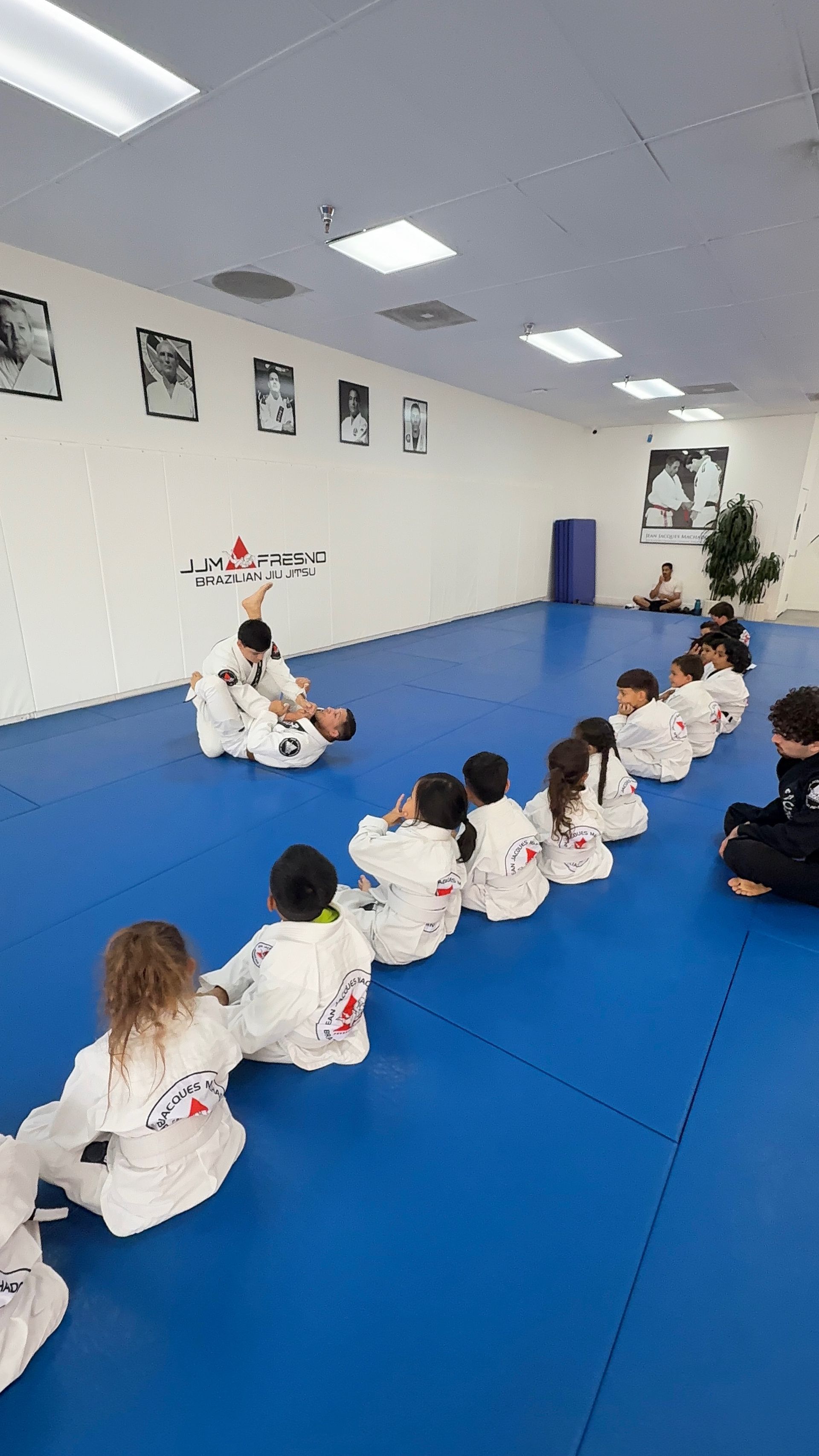
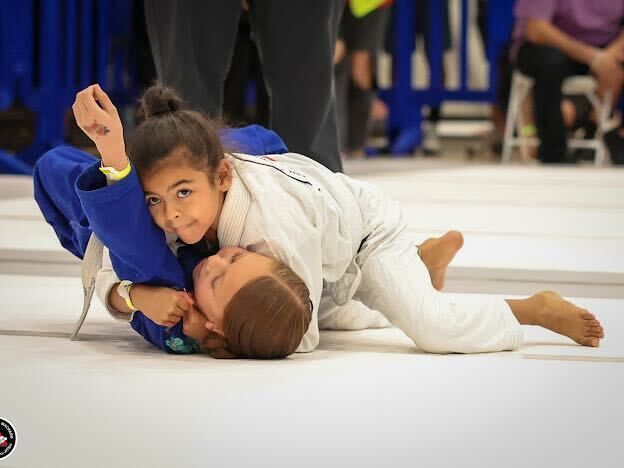
Kids thrive when martial arts classes have clear expectations and a positive culture. We keep training structured so kids know what to do, how to listen, and how to improve. That structure helps them on the mats and outside of class too.
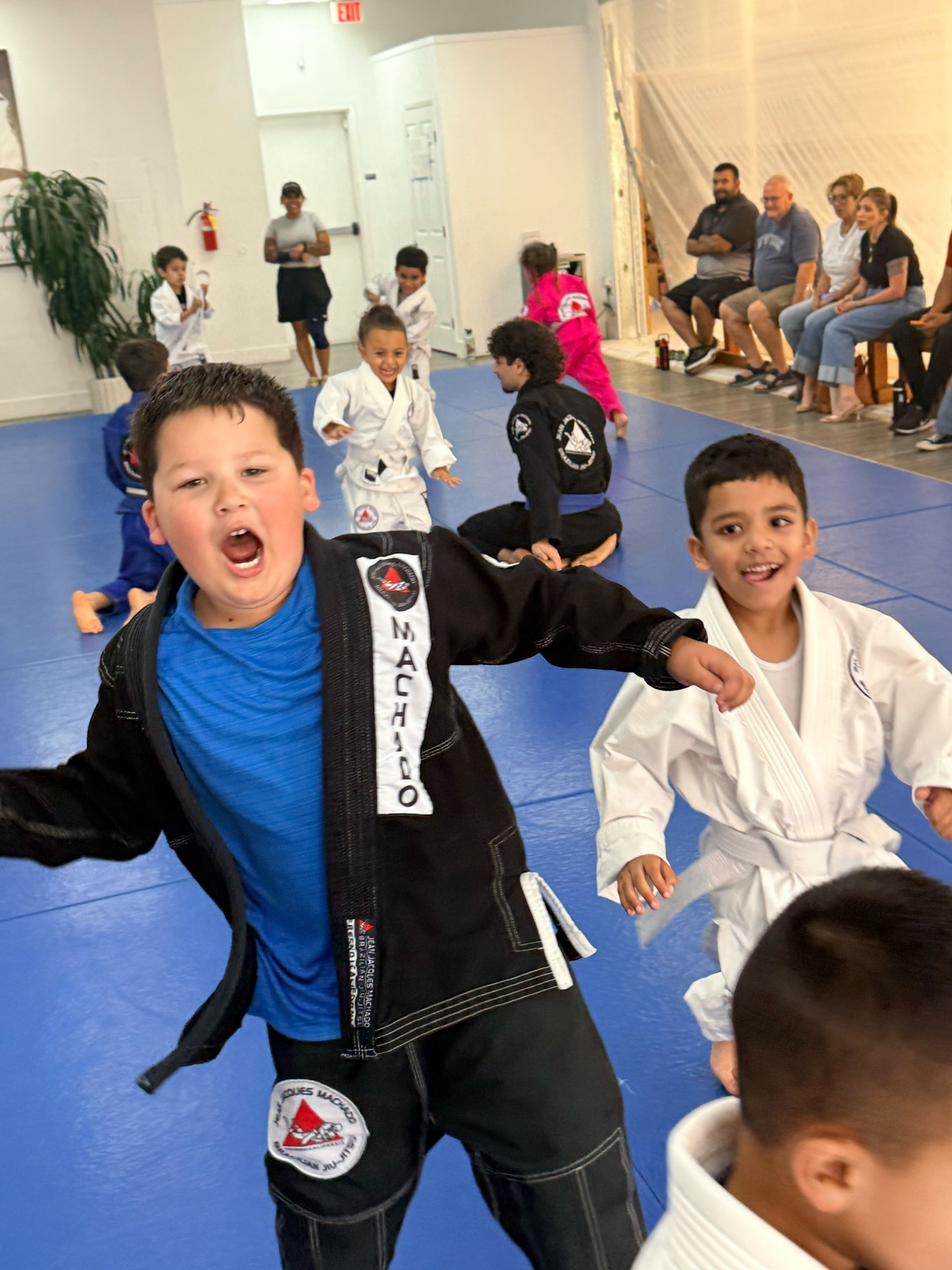
Our kids program is built for real development, not just keeping children busy. We focus on age-appropriate technique, coordination, respect, and consistency. You will see physical benefits like balance and mobility, but also the quieter benefits: patience, coachability, and confidence that looks calm instead of loud.
Parents also appreciate that progress is measurable. Kids learn how to set goals, work through challenges, and earn advancement through effort. It is a pretty great life lesson wrapped in a fun class.
Step 7: Make training part of your week, not a special event
The best martial arts routine is the one you can keep. We encourage you to treat classes like a standing appointment with yourself. Put it on your calendar. Protect the time. The results come from repetition.
If you miss a week, come back anyway. That matters more than people think. Momentum is helpful, but it is not fragile unless you make it fragile. Training is a long game.
And yes, you will have days where you feel clumsy. You will have weeks where nothing seems to work. Then you will have a day where a technique lands cleanly, you stay relaxed, and you realize you are becoming someone who can handle pressure. That is the payoff.
A simple roadmap from day one to advanced training
1. Start with consistent attendance and learn the basic positions and safety habits
2. Drill fundamentals until your movements feel smoother and more automatic
3. Add controlled sparring to test skills and build calm decision-making
4. Develop a personal game by sharpening your best positions and sequences
5. Train with long-term consistency until advanced concepts feel natural under pressure
Step 8: Membership mindset, what makes people succeed long-term
People who reach advanced levels usually do not have perfect lives or unlimited free time. They have a mindset that values steady practice. Membership is not just access to classes, it is a commitment to showing up, learning, and improving over time.
We offer adult and kids Brazilian Jiu-Jitsu programs designed for different ages and fitness levels, and we keep the training focused on real development. If you are looking for martial arts classes in Fresno CA, what you are really looking for is a place where you can train consistently, safely, and with a curriculum that builds week to week.
We also know motivation comes and goes. That is why we emphasize habits. When training becomes routine, progress becomes predictable.
Why our lineage and association matter for your learning
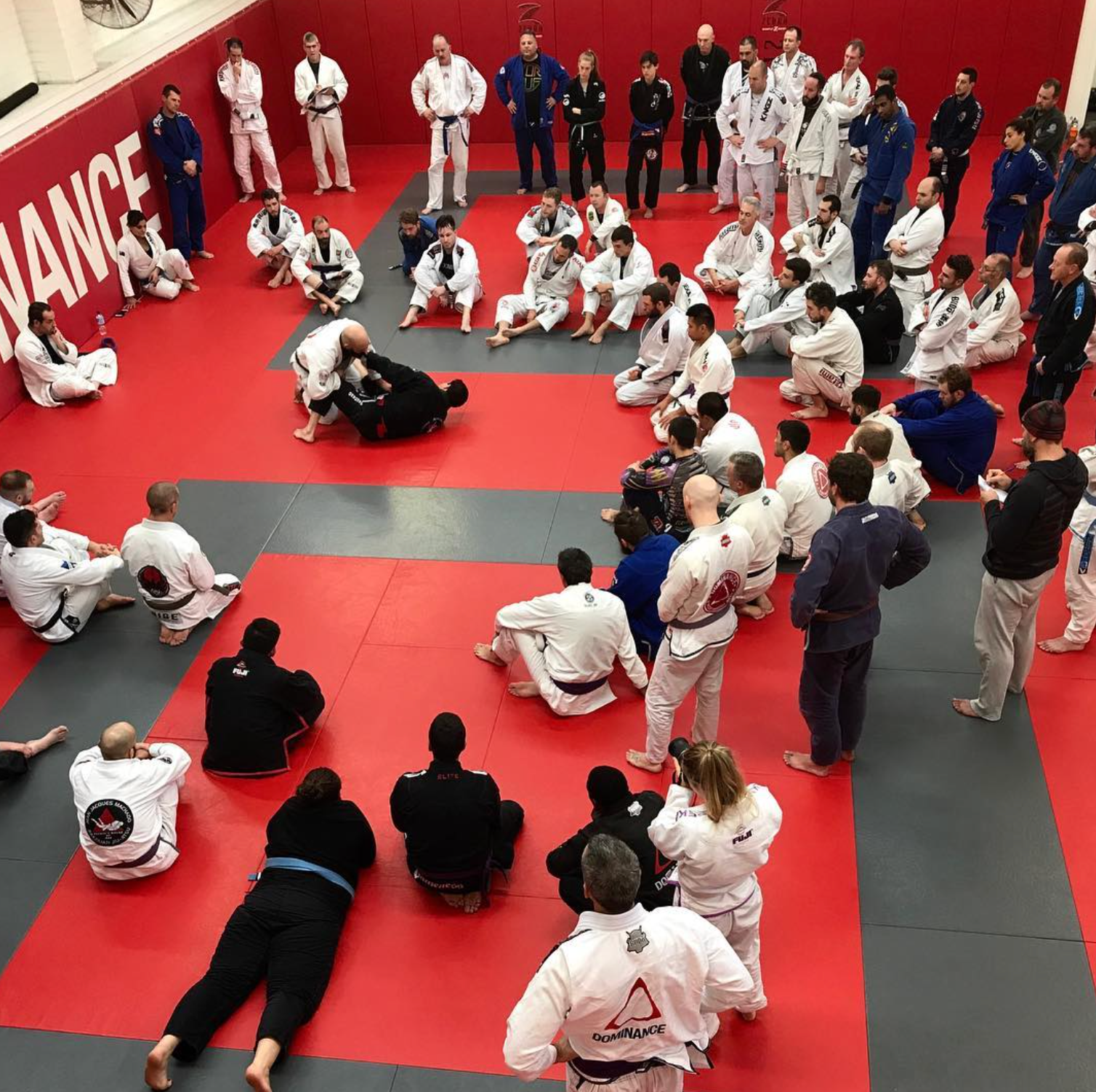
In martial arts, lineage is not just history. It is quality control. We operate under the Jean Jacques Machado Brazilian Jiu Jitsu Association, a worldwide network of affiliated schools supervised directly by Jean Jacques Machado. That matters because it means our instruction is tied to a proven standard, not guesswork.
For you, that shows up as a clearer learning path, better details in technique, and a training culture that prioritizes skill. You are not just collecting moves. You are building an ability you can rely on.
If you have been thinking about martial arts in Fresno and you want a place that takes the craft seriously, that is exactly the environment we work to maintain every day.
Start Your Journey
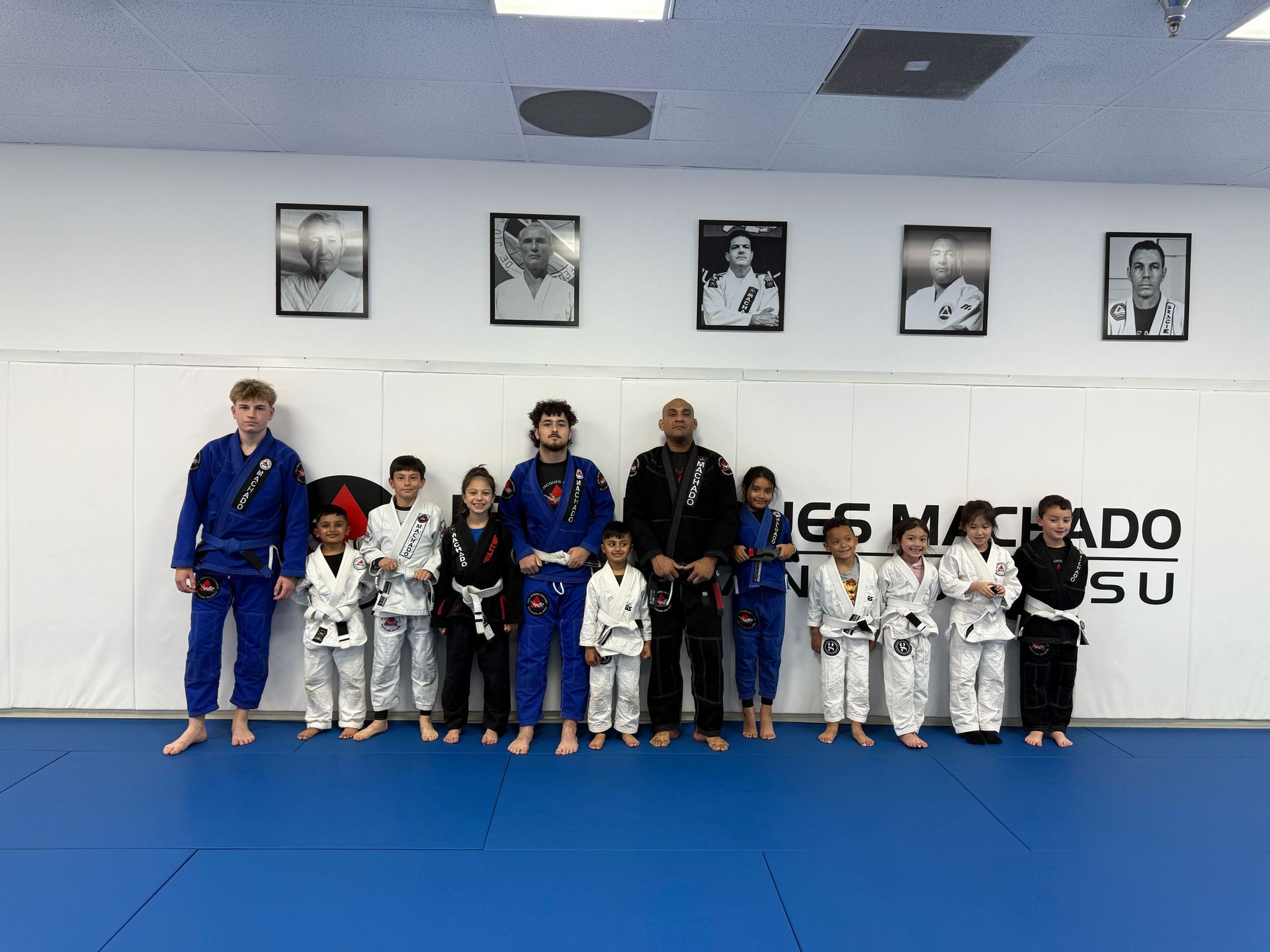
If you want a step-by-step path from beginner to advanced training, we built our academy to make that journey realistic and sustainable. At Jean Jacques Machado Fresno, we keep the focus on technical Brazilian Jiu-Jitsu, a supportive team atmosphere, and progress you can feel on the mats, not just talk about.
Whether your goal is confidence, fitness, self-defense, or eventually earning a black belt, we would love to help you start in a way that feels grounded and doable. The next step is simple: take a look at the schedule, show up, and let your first week become your new routine.
Train with consistency and intention by joining a martial arts class at Jean Jacques Machado Fresno.