Martial arts training is one of the rare workouts that challenges your body and your attention at the same time.
If you live a busy Fresno life, you already know the feeling: your brain is doing a dozen things while your body is sitting still. That is one reason Martial Arts can feel so different from a typical workout. You are not just sweating through reps. You are tracking movement, making decisions, and learning to stay calm when things speed up.
In our classes, we see the same pattern again and again. When you train consistently, you start noticing changes outside the gym too: you react a little quicker in everyday situations, you feel less scattered, and you can focus longer without burning out. It is not magic. It is practice.
Research supports this direction, too. A 2024 peer reviewed review reported that martial arts training may improve attention and executive function through focused attention, mindfulness, cognitive demands, and self regulation. In plain terms, the training environment nudges your brain to pay attention, control impulses, and stay present, even when you are tired or under pressure.
Why reflexes are trained, not inherited
A lot of people assume reflexes are something you either have or you do not. In reality, what most people call reflexes are often trained responses: noticing cues earlier, choosing a better option faster, and moving with less hesitation.
Martial Arts in Fresno is a great context for that kind of progress because training puts you in repeatable situations where timing matters. You learn what signals to look for, what patterns show up, and how to move efficiently. Over time, your reaction window feels bigger, even though the action is happening just as fast.
This is also where focus and reflexes overlap. Faster reactions usually come from better perception and cleaner decision making, not from flailing quicker. When your attention is steady, your body tends to follow.
What “faster reflexes” really means in training
Reflex improvements are not only about speed. In practical training, we look for:
• Earlier recognition of movement changes, like weight shifts and grips
• Fewer wasted motions, so your response is direct
• Better balance under surprise pressure
• Less freezing when you do not get the exact scenario you expected
• More consistent composure, which keeps your choices available
Those are skills you can build, even if you start as someone who feels clumsy, distracted, or out of shape.
The science behind sharper focus, without the jargon
Most people searching for Martial Arts Classes in Fresno CA are not looking for a neuroscience lecture. You want results that show up in real life: clearer thinking at work, less stress reactivity, and that grounded feeling where your mind is not bouncing everywhere.
The research gives us a helpful way to explain what is happening. The 2024 review found martial arts may support attention, working memory, cognitive control, and inhibitory control, which are all parts of “focus” when you are dealing with pressure. Think of working memory as holding onto the next step while you are still doing the current step. Cognitive control and inhibitory control are the skills that help you stop an unhelpful impulse and choose a better action.
When you train, you are doing that constantly. You are remembering a sequence, adjusting to feedback, and resisting the urge to panic or muscle everything. It is a mental workout layered on top of a physical one.
Focus is not just concentration, it is regulation
Sharpening focus is not only about staring harder. It is about regulating your attention so it stays where it belongs. Martial Arts training may help reduce mind wandering and improve self regulation because you get immediate feedback. If your attention drifts, your timing slips. If you rush, your position breaks. The learning is clear, and the environment encourages you to correct it.
That is also why students often describe the mat as a reset button. You cannot half show up. You either engage with the moment or you get pulled off center.
Why Brazilian Jiu-Jitsu is especially good for focus
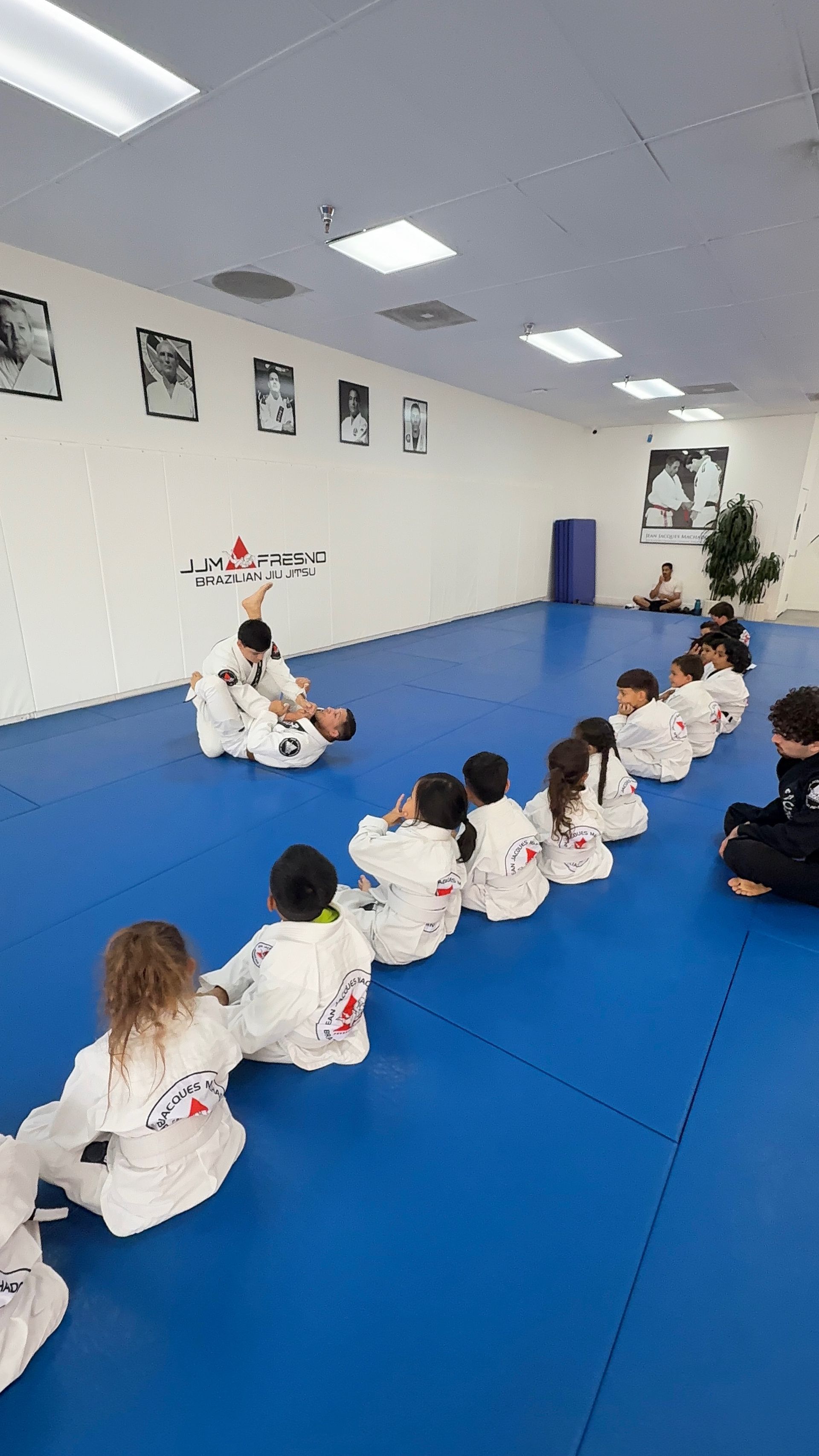
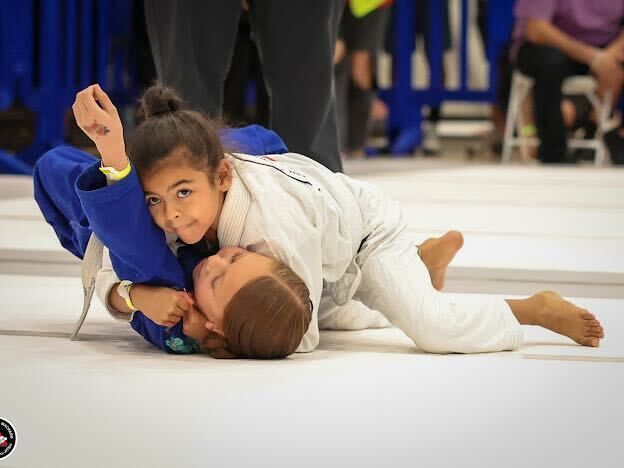
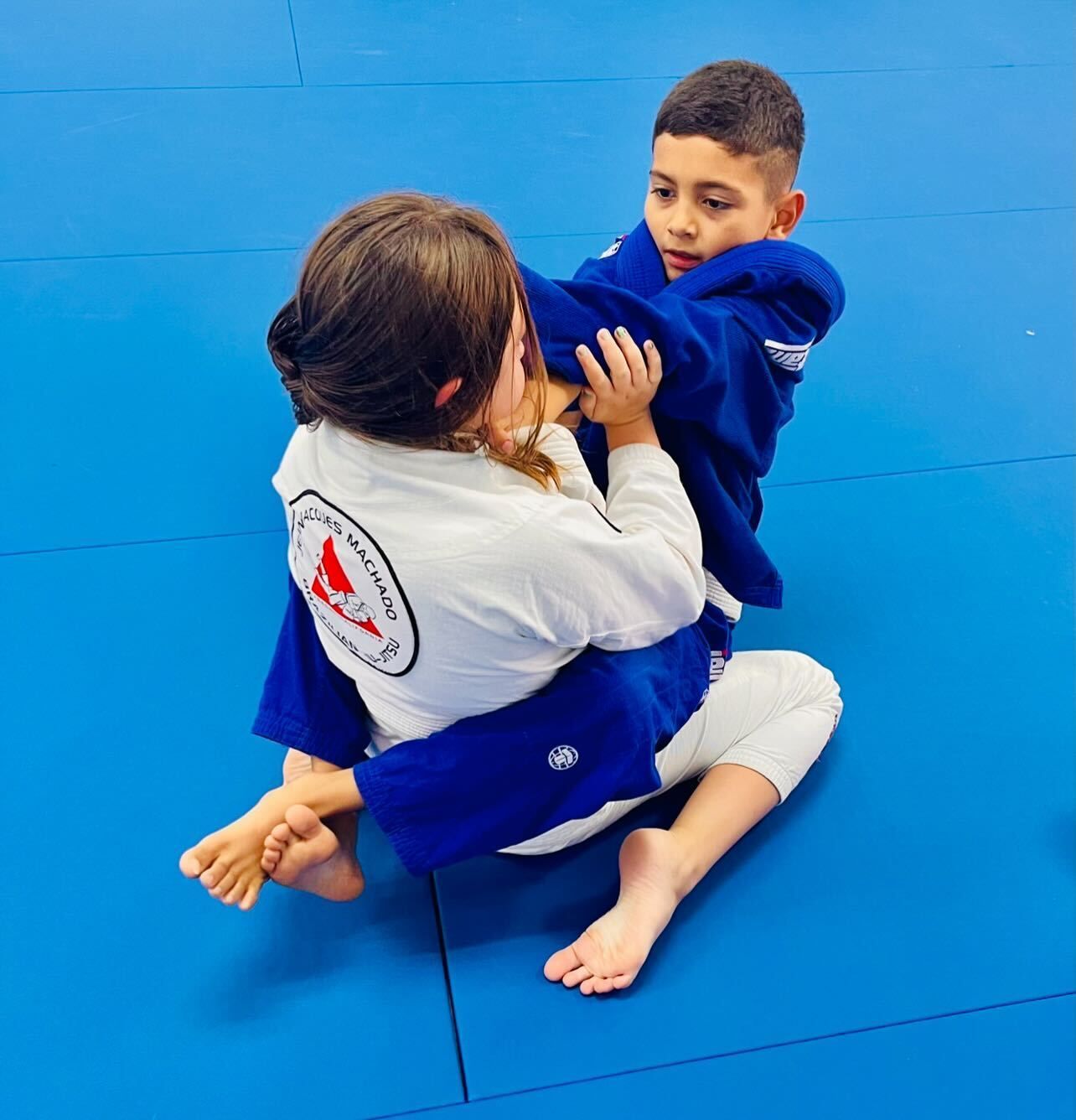
Brazilian Jiu-Jitsu is built around live problem solving. Instead of only practicing choreographed patterns, you work with a partner who is moving, resisting, and changing the situation in real time. That constant adjustment is a big reason BJJ connects so well to reflex training and attention under pressure.
In our beginner friendly approach, we focus on fundamentals that make the chaos feel manageable. You learn posture, base, frames, and escapes that create order. Once you have a few anchors, your brain does not have to scramble as much. You can breathe, observe, and make better choices.
This is where sharper focus becomes practical. You are learning to notice small details like pressure changes, hip angle, grip placement, and balance shifts. Those details are not trivia. They are the early signals that let you respond before you feel “behind.”
What a beginner friendly class does for your mind and body
People often think beginners need to be tough or athletic before starting Martial Arts in Fresno. Our experience is almost the opposite: beginners do best when training is structured, progressive, and respectful of the fact that you are learning something new.
A well run beginner class gives you a clear target each day. You practice a skill, then you try it with a partner in a controlled way. Your body learns the movement, and your mind learns the rhythm of problem solving.
Here is what we see beginners get from consistent training, beyond fitness:
• A routine that creates momentum and reduces daily mental clutter
• Better body awareness, which supports confidence and calm
• More comfort with challenge, because you face it in small doses
• A stronger ability to pause, breathe, and choose a response
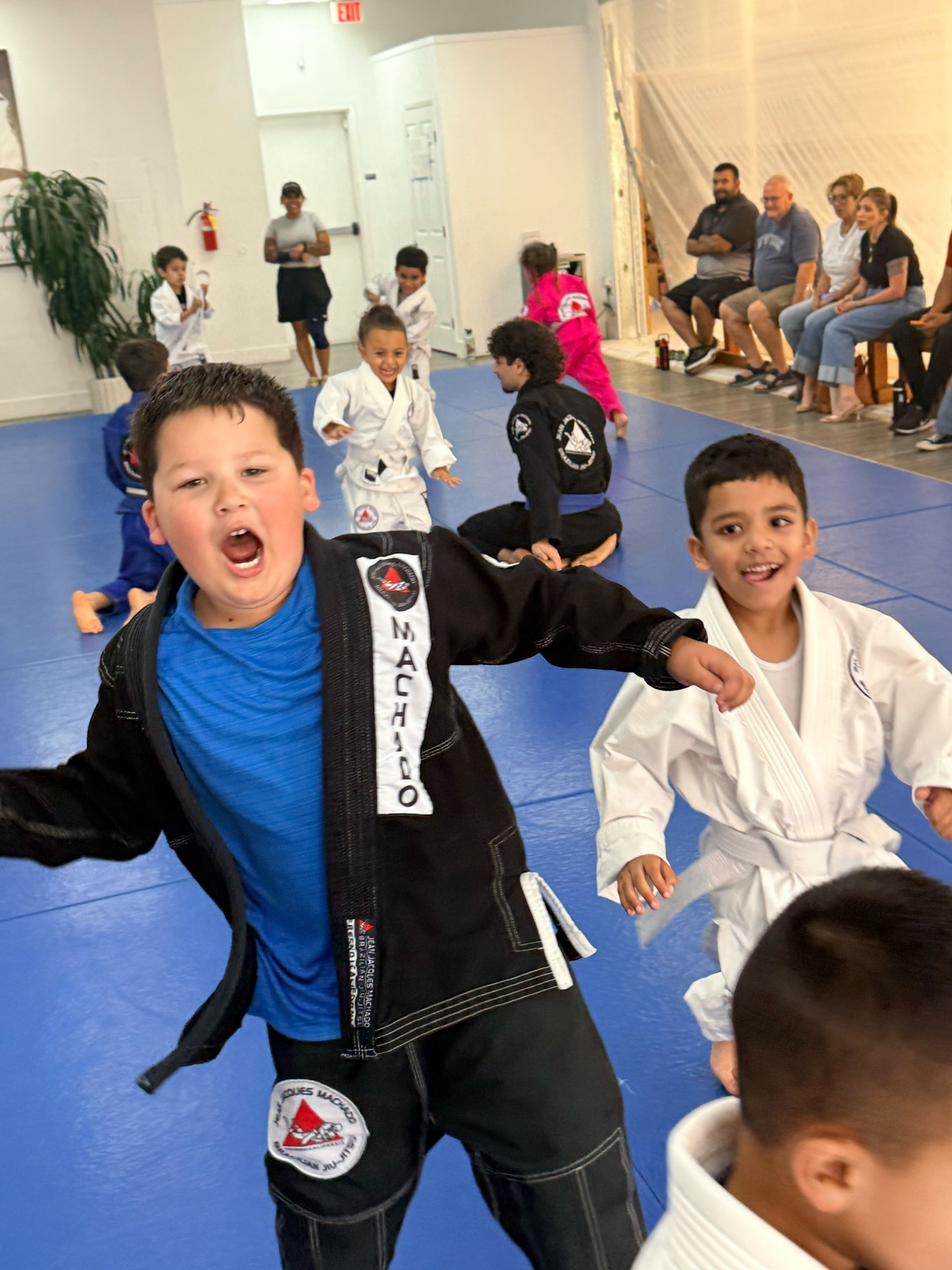
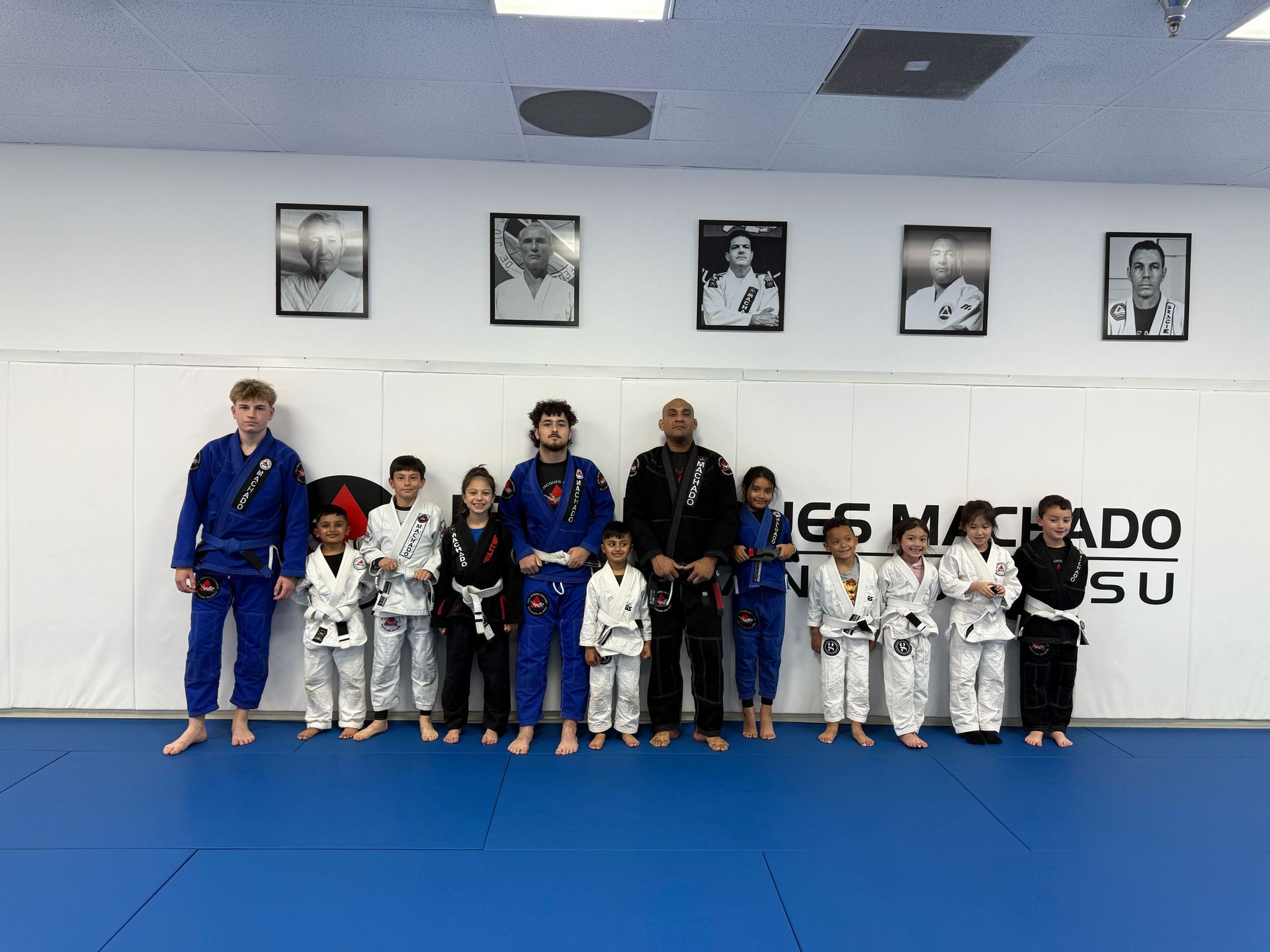
• Real community energy, the kind that makes you want to return
Those are quiet benefits, but they add up fast.
How we train reflexes safely, without turning every class into a brawl
Reflex training does not require reckless intensity. In fact, if you go too hard too soon, your brain gets overwhelmed and you learn less. We prefer progression: start with clear positions and goals, then increase the complexity as your skill and comfort grow.
The progression that builds calm reactions
Most students develop quicker, cleaner reactions through a simple arc:
1. Learn the movement pattern slowly so your body understands it
2. Practice with a cooperative partner to build timing and confidence
3. Add light resistance so you learn to adapt, not memorize
4. Use controlled live rounds where you apply skills under pressure
5. Review what happened and refine one detail at a time
That process supports both reflexes and focus. You are training your body to respond, and your mind to stay organized.
Stress, attention, and the ability to stay composed
One of the most underrated parts of Martial Arts training is stress regulation. The same review that discussed attention and executive function also noted martial arts can support emotional regulation and self control. That matters because pressure changes how you think. When stress rises, people rush, hold their breath, and tunnel vision.
On the mat, you get a safe place to practice staying steady. You learn to notice the moment you tense up and then soften it. You learn that you can be uncomfortable without panicking. That skill transfers. It shows up in work conversations, in traffic, in parenting, in any moment where your nervous system wants to take the wheel.
And yes, sometimes the best benefit is simply leaving class feeling lighter, like your mind has fewer open tabs.
Training frequency: how often you need to feel a difference
People ask this a lot, especially adults balancing work and family schedules. While individual results vary, a practical starting point is two to three classes per week. That is frequent enough to build momentum, but not so frequent that you feel crushed by soreness or scheduling stress.
If you can only do once a week at first, we still encourage you to start. Consistency matters more than perfection. As your body adapts and your confidence grows, adding a second day often feels natural.
A simple way to know you are on track
You are progressing when:
• You remember more details from class without forcing it
• You feel calmer during live practice, even when you make mistakes
• You recover from awkward moments faster and keep working
• Your breathing improves when the pace increases
• You leave practice feeling clear, not fried
That is the reflex and focus combination in real life terms.
What to expect in your first class
Your first class should feel structured and welcoming. We keep the learning practical, and we guide you through the basics step by step. You will warm up, learn a technique or two, and then apply it with a partner in a controlled way. You do not need to “win” anything. You just need to show up and try.
Wear comfortable training clothes, show up a little early, and plan to ask questions. Beginners learn faster when you let yourself be new at it. That sounds obvious, but it is surprisingly hard for adults who are used to being competent everywhere else.
Take the Next Step with Jean Jacques Machado Jiu-Jitsu Fresno
Faster reflex habits and sharper focus come from consistent, well designed training that asks you to pay attention, solve problems, and regulate stress in real time. That is exactly why we built our programs the way we did. When you train with us, you are not only working your body, you are building a calmer, more responsive version of yourself.
At Jean Jacques Machado Jiu-Jitsu Fresno, we keep the path beginner friendly and progress driven, so you can train with purpose whether your goal is mental clarity, confidence, or simply a routine that makes life feel more manageable.
Challenge your body and sharpen your mindset through martial arts training at Jean Jacques Machado Jiu-Jitsu Fresno.