The most valuable thing you can earn on the mat is a repeatable system for setting goals and following through.
In Fresno, a lot of us want the same thing, even if we say it differently: more consistency, better focus, and progress we can actually measure. That is one reason martial arts keeps growing here. It is not just exercise, and it is not just self-defense. Done the right way, it is a structured practice in setting goals, showing up when motivation is low, and staying calm when something is hard.
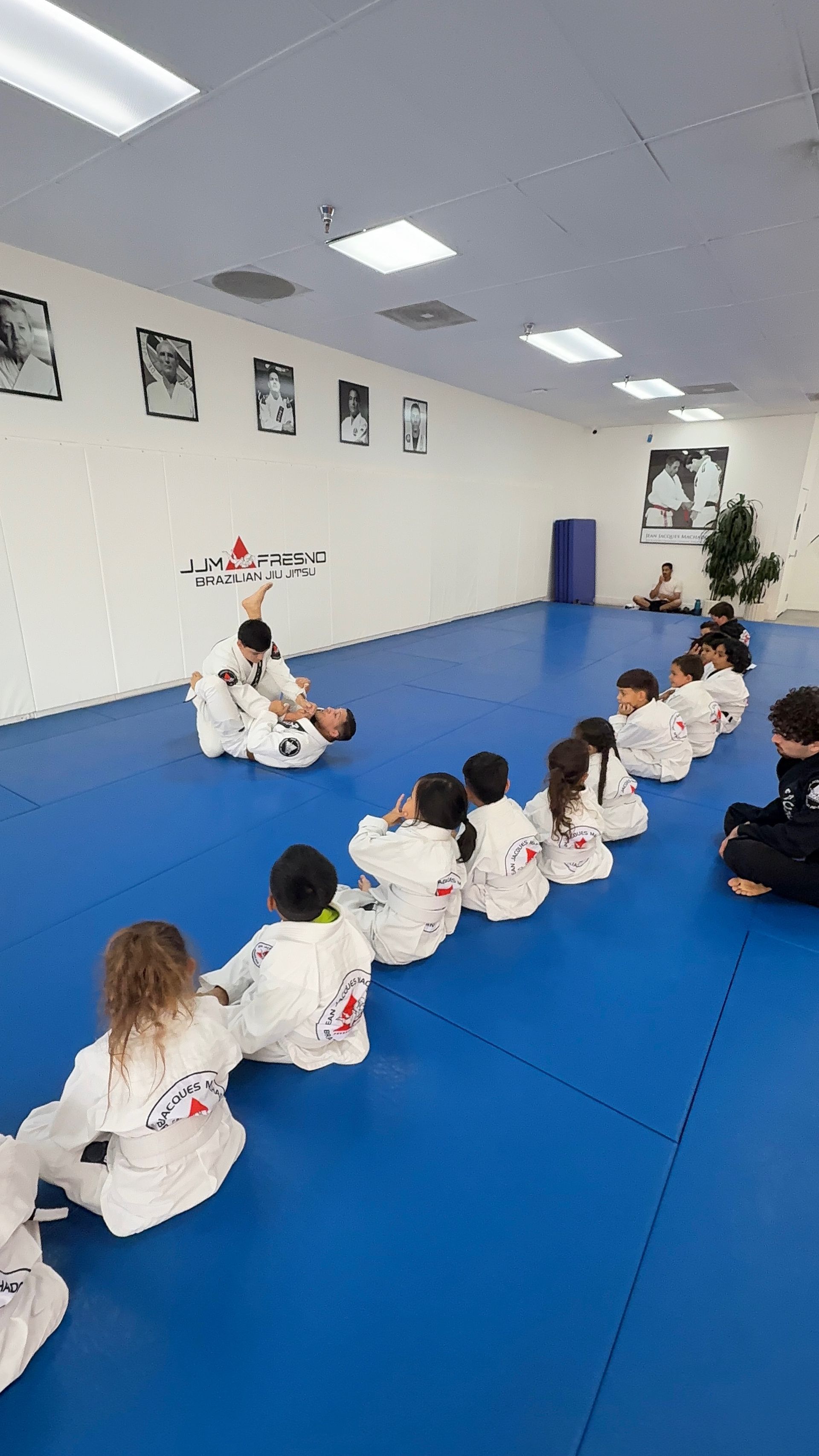
In our academy, we see it daily across ages and backgrounds. Kids who struggle to listen learn to pause and follow steps. Adults with stressful jobs learn to manage pressure without shutting down. And beginners who feel awkward at first discover that improvement is not a mystery, it is a process.
This article breaks down how martial arts in Fresno can build real goal setting and achievement skills, and how our class structure makes those skills easier to learn, practice, and keep.
Why martial arts works so well for goal setting
Goal setting fails for most people for one simple reason: the goal is vague. People say, I want to get in shape, I want confidence, I want discipline, but there is no clear next action and no way to track progress. Martial arts fixes that by giving you a system. You have skills to learn, standards to meet, and coaches watching your consistency over time.
Instead of relying on hype, we rely on progression. That might mean learning how to fall safely, holding a position for a few seconds longer, or finishing a technique with cleaner timing. These are small wins, but they stack up in a way your brain can feel. That feeling matters, because it is what turns effort into a habit.
Fresno is also a place where people value practical recreation. Local community trends regularly include activities like martial arts alongside sports and outdoor options, which tells us there is demand for something that builds both fitness and resilience. When your training gives you a plan, it becomes easier to commit, even with a busy schedule.
The belt system turns big goals into measurable milestones
One reason Brazilian Jiu-Jitsu stands out inside the martial arts world is the clarity of its long-term path. A black belt is not a quick reward. It is usually years of consistent training, problem solving, and personal growth. That sounds intimidating until you realize you never train for the whole journey at once. You train for the next step, then the next.
Belts function like milestones in any serious project. You can look back and see the work you did, and you can look ahead and understand what is expected. That structure helps you build patience, because progress is not based on how excited you feel on a good day. It is based on how often you practice and how well you apply what you learn.
Timelines vary, of course, because life happens and people train at different frequencies. But the point stays the same: martial arts gives you a ladder. You always know what rung you are on.
A Fresno-specific advantage: structure in a busy, growing city
When a city grows, schedules get tighter. Work demands change. Family routines shift. Even commute time can start to feel heavier. In Fresno, development and population trends point toward rising demand for accessible recreation, which makes structured programs more valuable than ever.
We design our training to work for real life. You can come in after work, after school, or in between responsibilities, and still know exactly what you are practicing and why. That matters for achievement, because you are not wasting mental energy figuring out what to do. You can just train.
And since California has an active combat sports environment with increasing attention to regulation and safety, many people also want reassurance that training is controlled and responsible. We take that seriously. Goal achievement only works if you can train consistently, and consistency depends on a culture of safety, respect, and smart coaching.
The goal setting skills you practice every week (without overthinking it)
Most people think goal setting is something you do with a notebook and a burst of motivation. On the mat, it becomes something you do with your body and your attention. It gets real, fast.
In class, you practice setting goals at different time scales:
• Micro goals in a single round, like keeping your posture, recovering guard, or staying calm while escaping
• Weekly goals, like attending a certain number of classes or drilling a specific sequence until it feels natural
• Monthly goals, like improving cardio, reducing panic responses, or learning a new set of submissions
• Long-term goals, like earning the next belt level or becoming a reliable training partner who helps others improve
These goals work because our instructors help you keep them specific. Instead of saying, I want to be better, you learn to say, I want to stop giving up that position, or I want to finish that technique with correct steps.
That specificity is the secret. It is also what transfers into school, work, and everyday life.
How our classes create an achievement loop: effort, feedback, adjustment
Achievement is rarely a straight line. You try something, it fails, you adjust, and you try again. That loop is built into Brazilian Jiu-Jitsu. You cannot fake it. When a technique works, you feel it. When it does not, you also feel it, and you get immediate feedback.
Our classes are designed around a simple performance cycle:
Step 1: Learn the technique with a clear purpose
We do not teach random moves just to fill time. Techniques are introduced with context: what problem it solves, when it is used, and what details matter most. When you know the purpose, you can set a clear goal for practice.
Step 2: Drill with intention
Drilling is where your brain starts to relax. At first it can feel repetitive, but that is the point. Repetition builds a stable baseline. Once you have that, improvements become easier to notice and easier to track.
Step 3: Pressure test in controlled sparring
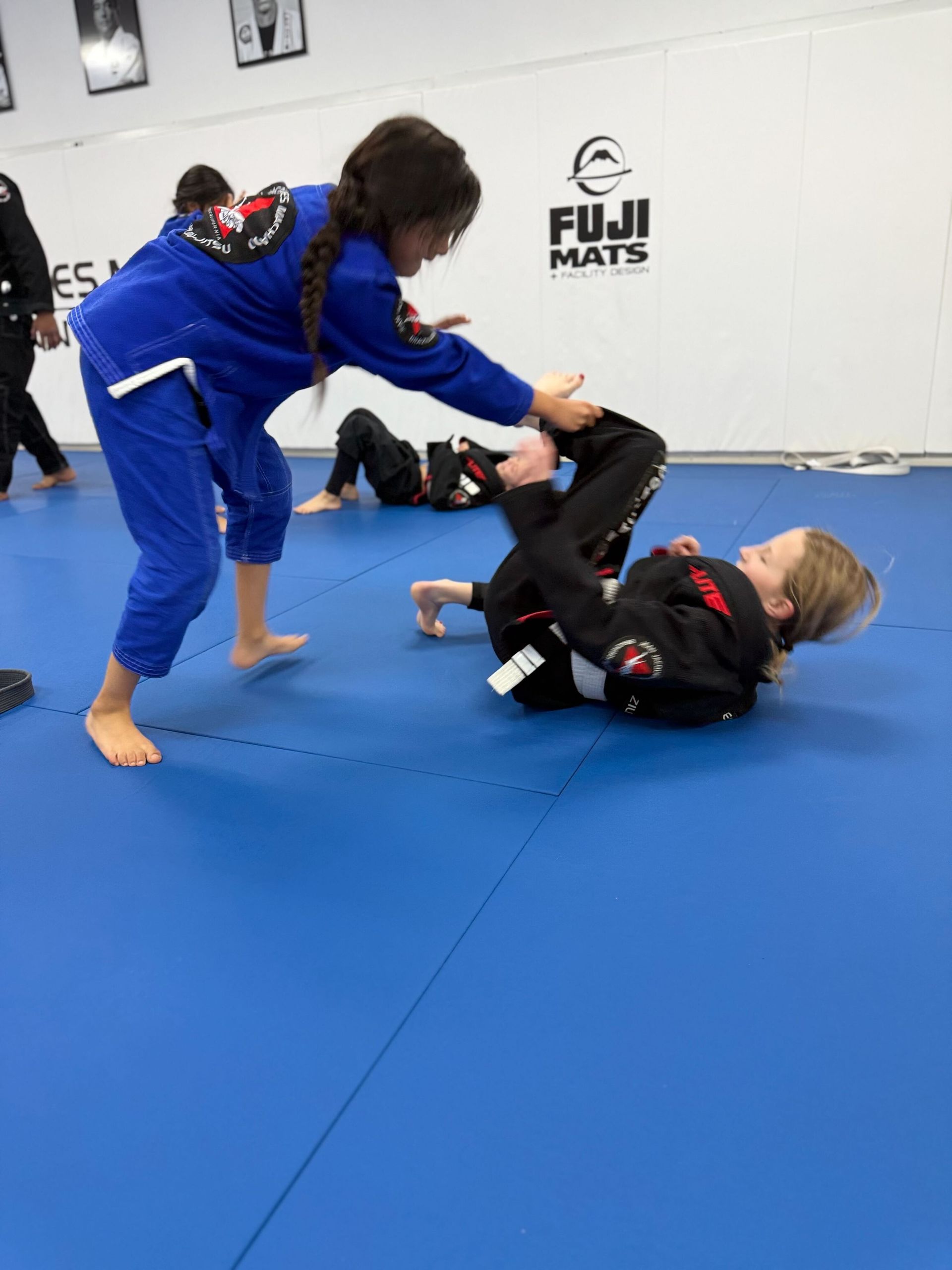
This is where achievement skills sharpen. Controlled sparring gives you stress in a safe container. You learn to breathe, think, and make decisions when you are tired. That is a goal setting superpower, because many people quit when pressure rises.
Step 4: Reflect and adjust
We encourage short reflections. Not a long journal session, just a quick, honest check-in: what worked, what broke, what to focus on next. That turns every class into a measurable step forward.
What kids learn about goals when the reward is earned, not given
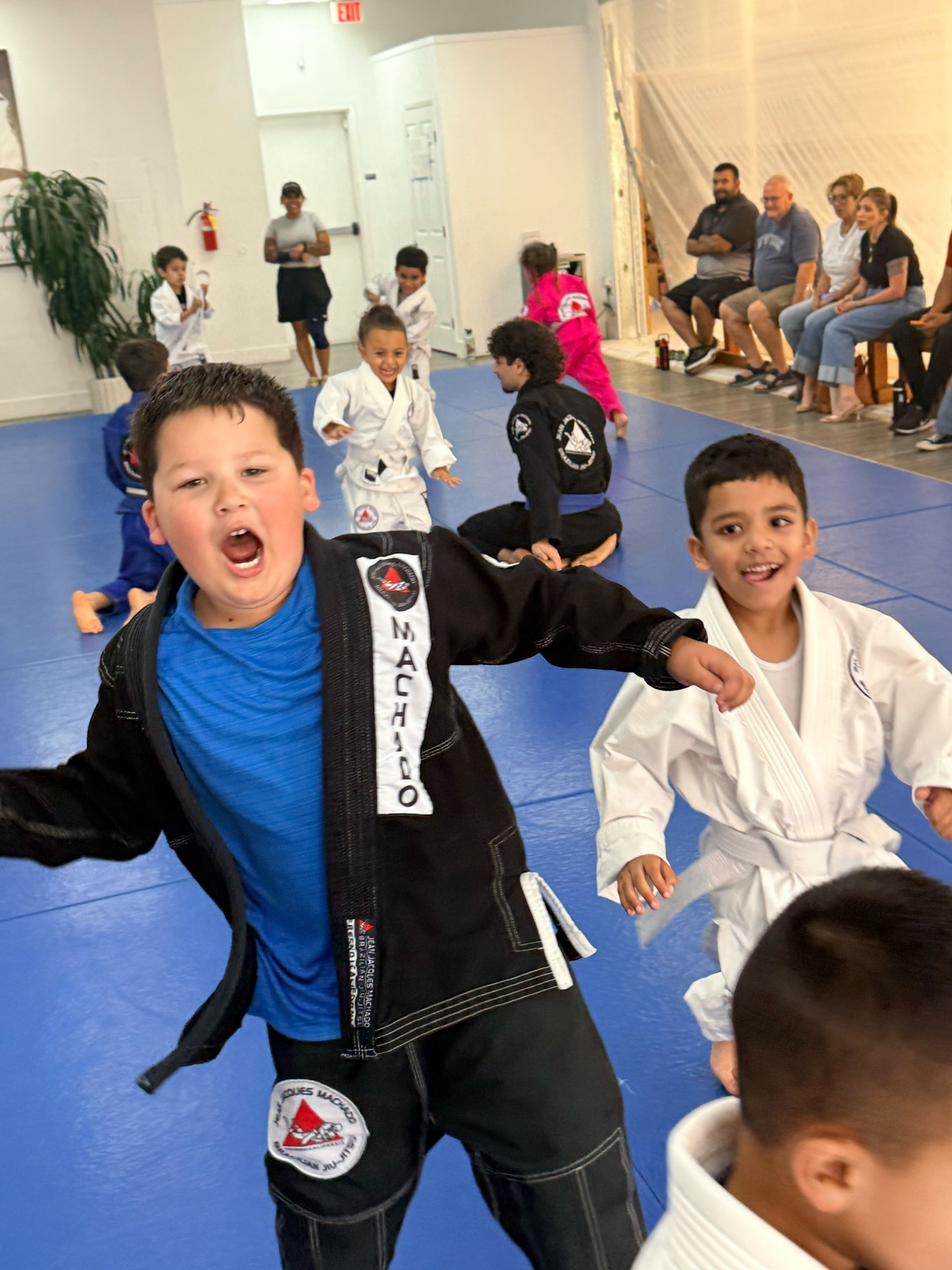
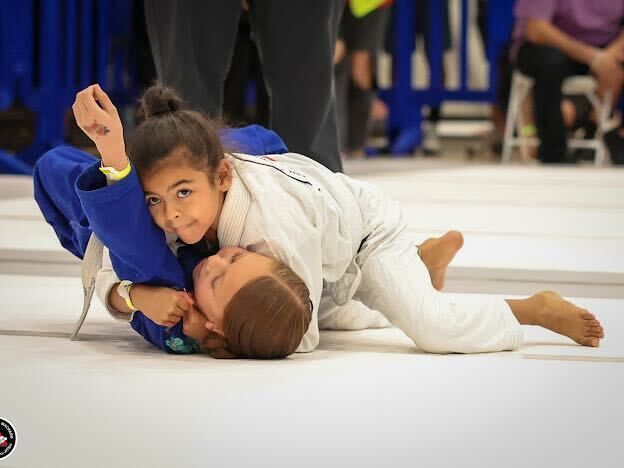
For kids, martial arts classes can be one of the first places where progress feels fair. Not perfect, but fair. If your child trains, listens, and keeps improving, results show up. That builds trust in effort.
We also see kids improve in ways parents notice outside the academy:
• Better attention span, because they get used to following multi-step instructions
• More emotional control, because training teaches pauses and resets after mistakes
• Increased confidence, because they solve physical problems with technique, not guessing
• Stronger accountability, because partners rely on each other to practice safely
One modern challenge is that many kids spend a lot of time in digital entertainment loops that reward quick stimulation. Some studies in recent years have raised concerns about how certain patterns of screen use can shape behavior and attention. Martial arts offers a very different loop: real-world effort, real-world feedback, and real-world progress. It is not instant, and that is actually a benefit.
Adult goal setting: stress management, consistency, and quiet confidence
Adults often come in wanting fitness or self-defense, and those are great goals. But what keeps adults training is usually something deeper: the ability to manage pressure and still function.
Work stress does not care if you are motivated. Parenting does not pause so you can recharge. Life just keeps coming. Training helps because it gives you a place to practice discomfort on purpose. You learn what it feels like to be tired and still stay technical. You learn how to be in a bad position and not panic. That maps onto real life more than most people expect.
And yes, the physical benefits matter. Better conditioning, stronger grip, improved mobility, and practical self-defense skills all support achievement. When you feel capable in your body, it is easier to stay consistent with your goals everywhere else.
Setting the right first goal: how beginners can start without burning out
A common beginner mistake is trying to do everything at once. Martial arts has a lot of moving parts, and your first month can feel like learning a new language while doing push-ups. We keep it manageable by focusing on foundations and simple wins.
If you are new, we recommend thinking in stages:
1. Commit to attendance first, because consistency beats intensity
2. Pick one or two positions to focus on, not ten techniques
3. Track one measurable improvement, like escaping more often or lasting longer without gassing out
4. Ask for feedback, because good coaching speeds up progress
5. Celebrate small milestones, because that is how long-term goals stay alive
This approach is also why martial arts classes in Fresno CA work well for people with full schedules. You do not have to be perfect. You just have to keep returning to the process.
Safety, trust, and a training culture that supports achievement
Goal achievement requires time, and time requires staying healthy. We prioritize controlled training, clear partner expectations, and an environment where you can learn without feeling reckless pressure. That matters for beginners, and it matters just as much for experienced students who train hard and want longevity.
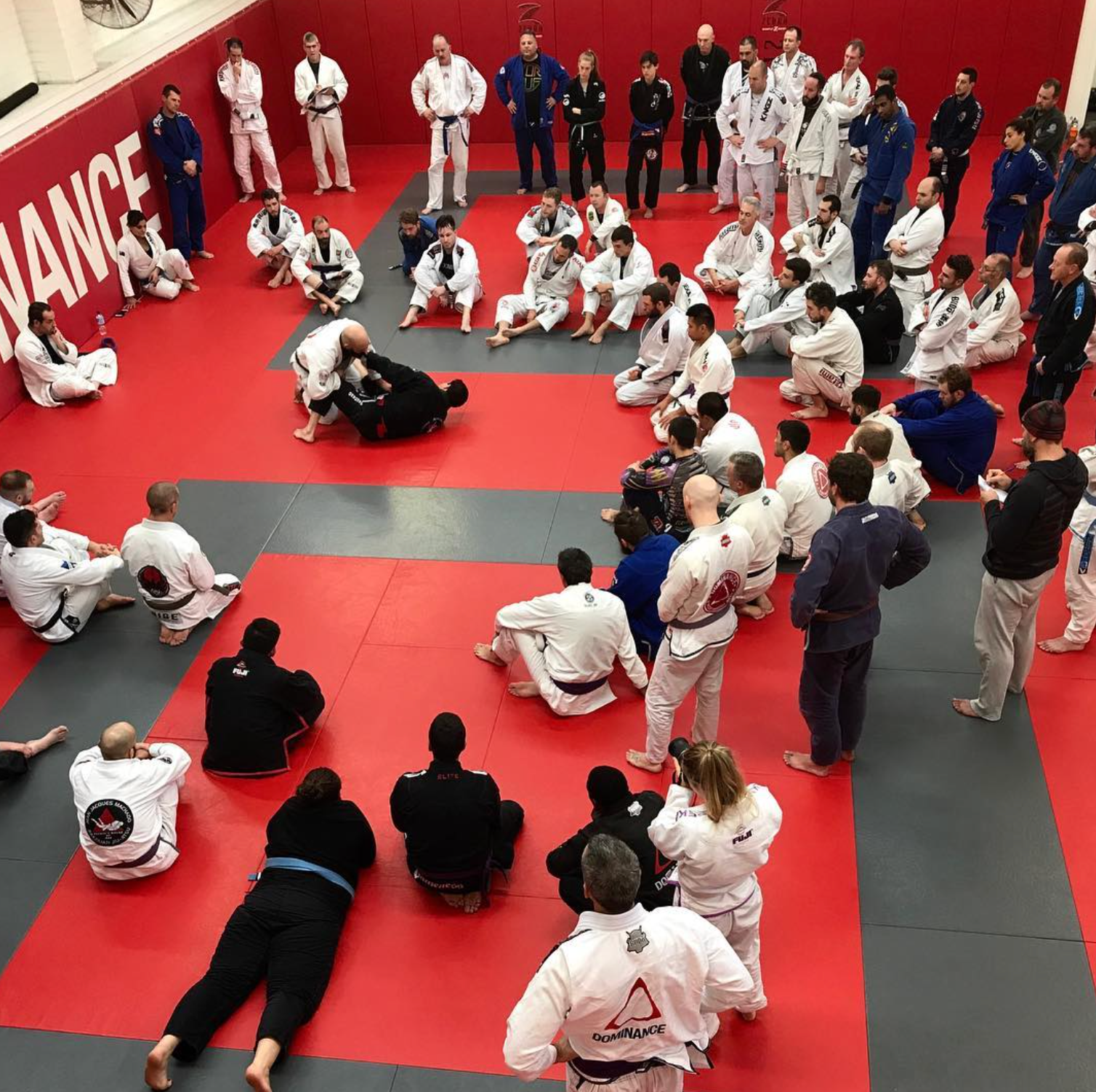
Our instructors emphasize practical skill development and personal growth, and we take pride in being connected to a respected lineage under 8th-degree coral belt Jean Jacques Machado. That kind of leadership influences culture. It keeps training honest, technical, and focused on steady progress.
When you know you are training in a safe, structured environment, you can set bigger goals with confidence, because you trust the process supporting them.
Take the Next Step
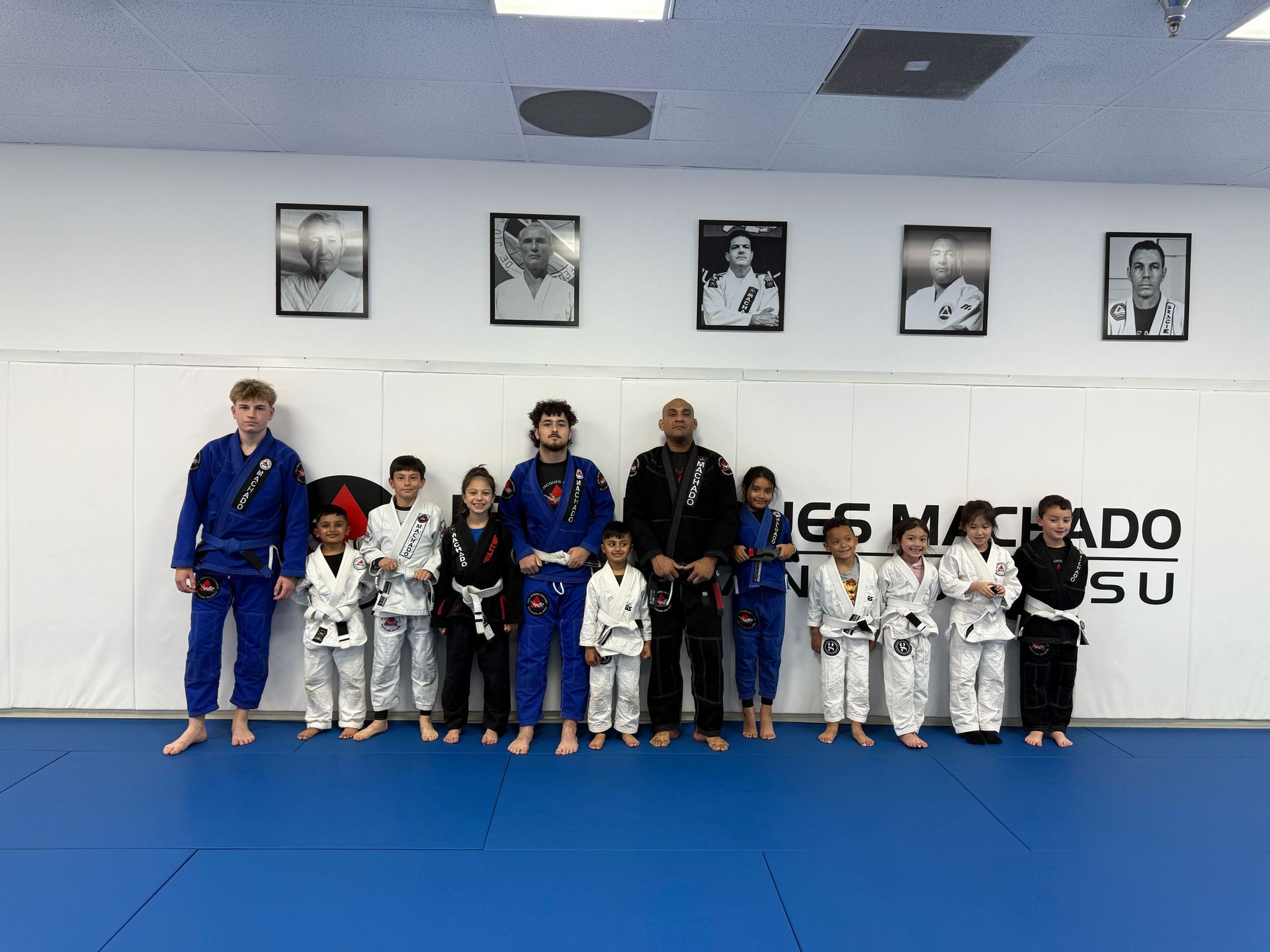
Building goal setting skills is not about hype, and it is not about waiting for motivation to show up. It is about having a system that makes progress visible and repeatable. That is exactly what we aim to provide through martial arts training: clear milestones, coaching, and a community that values consistent effort.
If you are ready to experience that structure in person, our programs at Jean Jacques Machado Jiu-Jitsu Fresno are designed to help you build practical self-defense skills while sharpening the focus and follow-through that carry into school, work, and everyday life.
Train with purpose, build discipline, and improve your Brazilian Jiu-Jitsu skills by joining a martial arts program at Jean Jacques Machado Jiu-Jitsu Fresno.