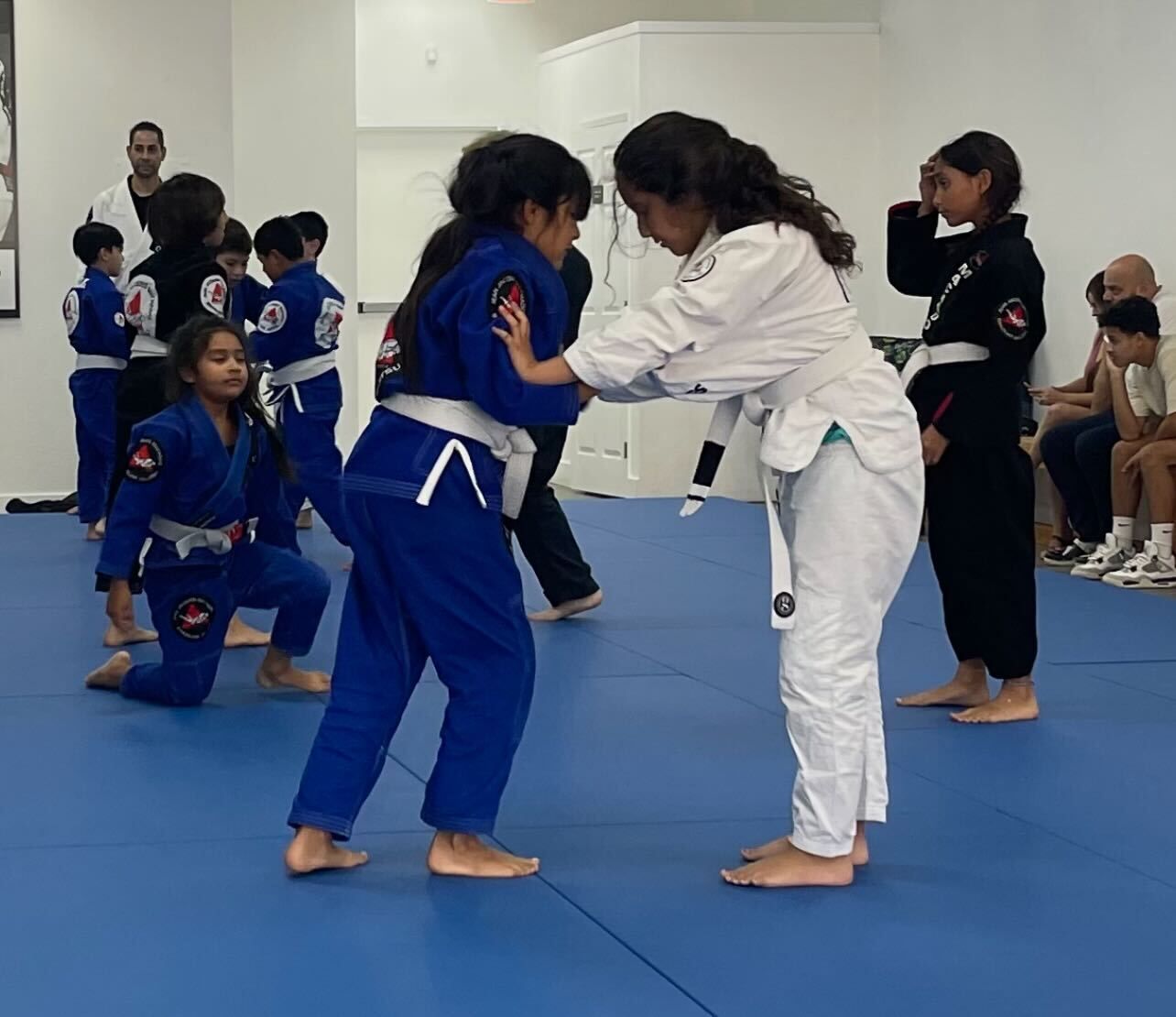
Resilience is not a personality trait your child either has or does not have, it is a skill we can build on the mat.
Resilience shows up in small, everyday moments: sticking with homework when it is frustrating, calming down after a disagreement, trying out for a team even when nerves kick in. In Fresno, families ask us a version of the same question all the time: how do we help kids handle pressure without shutting down or lashing out?
Youth Martial Arts gives young learners a structured place to practice exactly that. Not with lectures, but with reps. In our classes, kids meet challenges that are real but manageable, then learn how to respond with patience, problem solving, and steady effort.
When you watch a child train consistently, you start to notice a shift. Posture changes. Reactions soften. Confidence becomes quieter and more stable. That is resilience taking root, one class at a time.
What Resilience actually looks like in kids
Resilience is often misunderstood as being tough or never getting upset. In real life, resilient kids still feel disappointment, embarrassment, and nerves. The difference is what happens next. Our goal is to help your child recover faster, make a better choice, and try again.
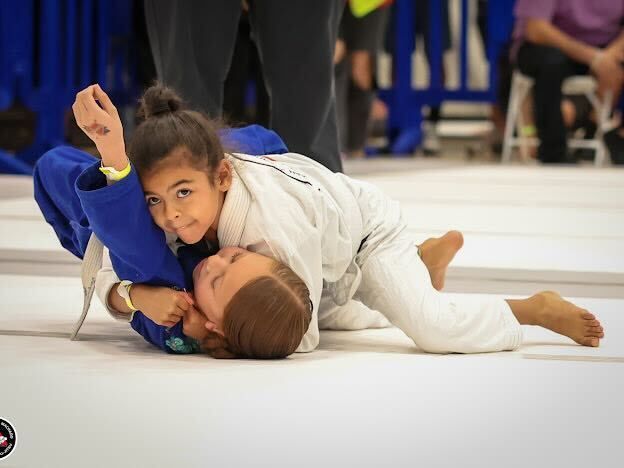
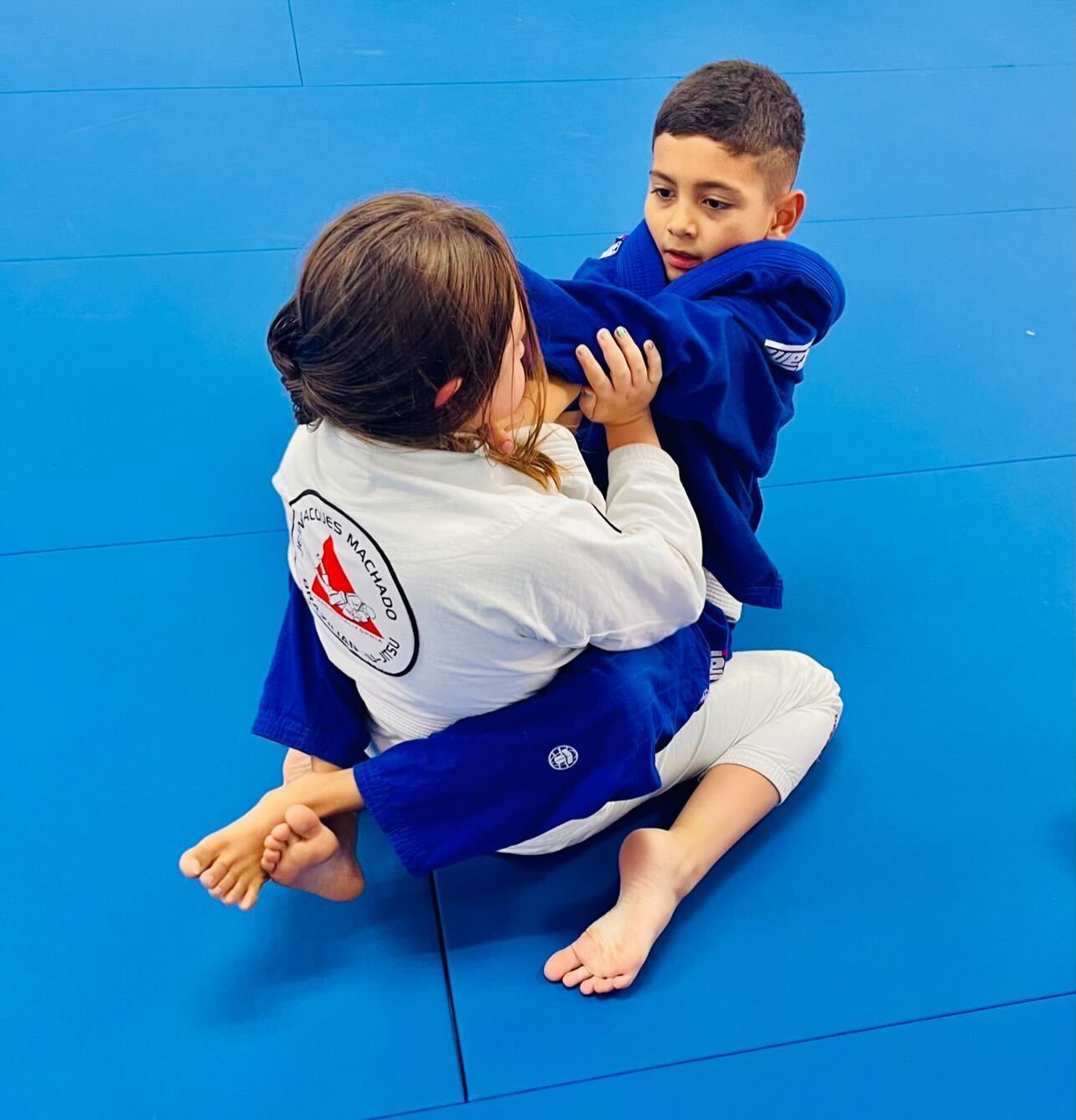
In Youth Martial Arts, resilience looks like tapping out safely and returning to the drill with a clear head. It looks like listening to coaching after making a mistake, then applying the correction. It looks like learning to breathe, reset, and keep going even when something feels hard.
Over time, your child collects proof that effort changes outcomes. That belief becomes a powerful buffer against stress at school, social pressure, and the natural ups and downs of growing up.
Why Youth Martial Arts is a natural Resilience builder
Martial arts training creates a rare learning environment: clear expectations, progressive difficulty, and immediate feedback. Kids do not just hear about perseverance, they practice it in a concrete way.
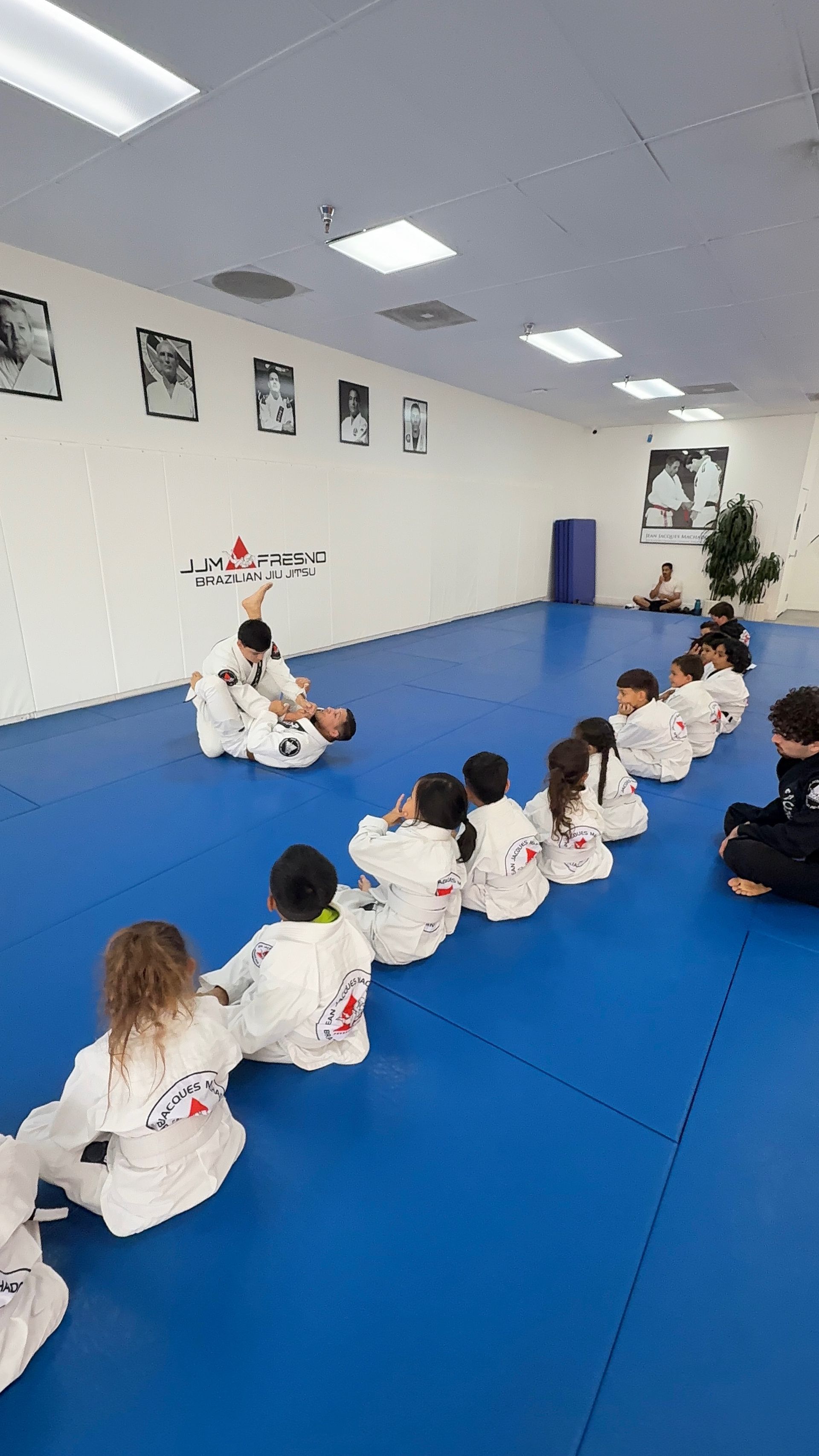
A typical class offers dozens of tiny resilience reps. A technique does not work the first time. A partner moves differently than expected. A position feels uncomfortable. Instead of quitting, students learn to adjust, ask questions, and keep their composure. Those are life skills, not just athletic skills.
Our training also provides something many kids need right now: healthy friction. Not chaos, not conflict, but controlled challenge. In a safe space, kids learn that discomfort is not danger. It is information.
The role of safe struggle
We do not throw kids into situations they cannot handle. We scale the challenge to the student, then build from there. That might mean slower drills, lighter resistance, or extra coaching on fundamentals. The point is to keep the student engaged at the edge of learning, not overwhelmed.
When kids experience safe struggle consistently, they get better at staying present. They learn to problem solve instead of panic. And they start to recognize that mistakes are part of improvement, not evidence of failure.
Resilience is trained through routine, not hype
A resilient mindset comes from predictable practice. Our classes follow structure, and that structure becomes an anchor for young learners. Kids know how class starts, what focus looks like, and how we treat training partners.
This matters because consistency reduces anxiety. When kids know what is expected, they can spend their energy learning rather than bracing for surprises. Over weeks and months, routine also creates identity: your child begins to see themself as someone who shows up, works, and improves.
That identity carries into school and home life. You may notice your child becoming more willing to try new things, or more patient when a task takes longer than expected. It is not magic. It is repetition.
Emotional regulation: the quiet superpower in martial arts in Fresno
A big part of resilience is emotional regulation. Kids feel big feelings, that is normal. What we train is the ability to notice those feelings early and choose a productive response.
In Youth Martial Arts, students learn to breathe under mild pressure and keep their thinking brain online. They learn how to accept feedback without spiraling into frustration. They practice being a good partner, even when they are tired or not winning a round.
This is one reason many families exploring martial arts in Fresno are looking for more than exercise. Physical activity is great, but emotional steadiness is the deeper payoff. When kids learn to regulate in class, you often see fewer meltdowns at home and better focus during homework. Not perfect, just better.
Learning to lose well, and win well
Resilience is not only about handling setbacks. It is also about staying grounded when things go your way. In training, we coach kids to win with respect and lose with curiosity.
A student who gets tapped out can learn to ask, what happened, and what can I do next time? A student who succeeds can learn to stay humble and continue working. Both responses build resilience because both keep the child moving forward.
How partner training teaches social resilience
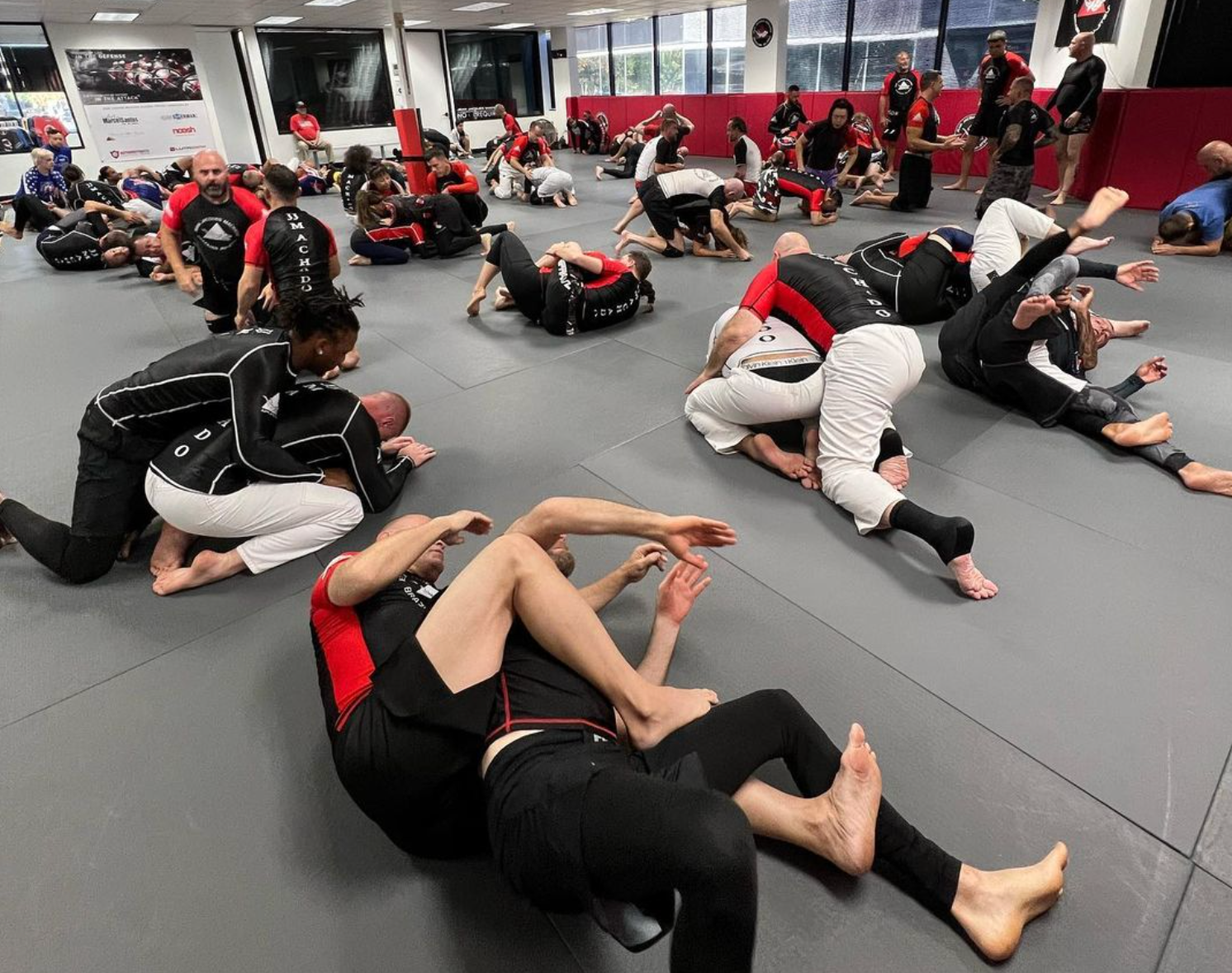
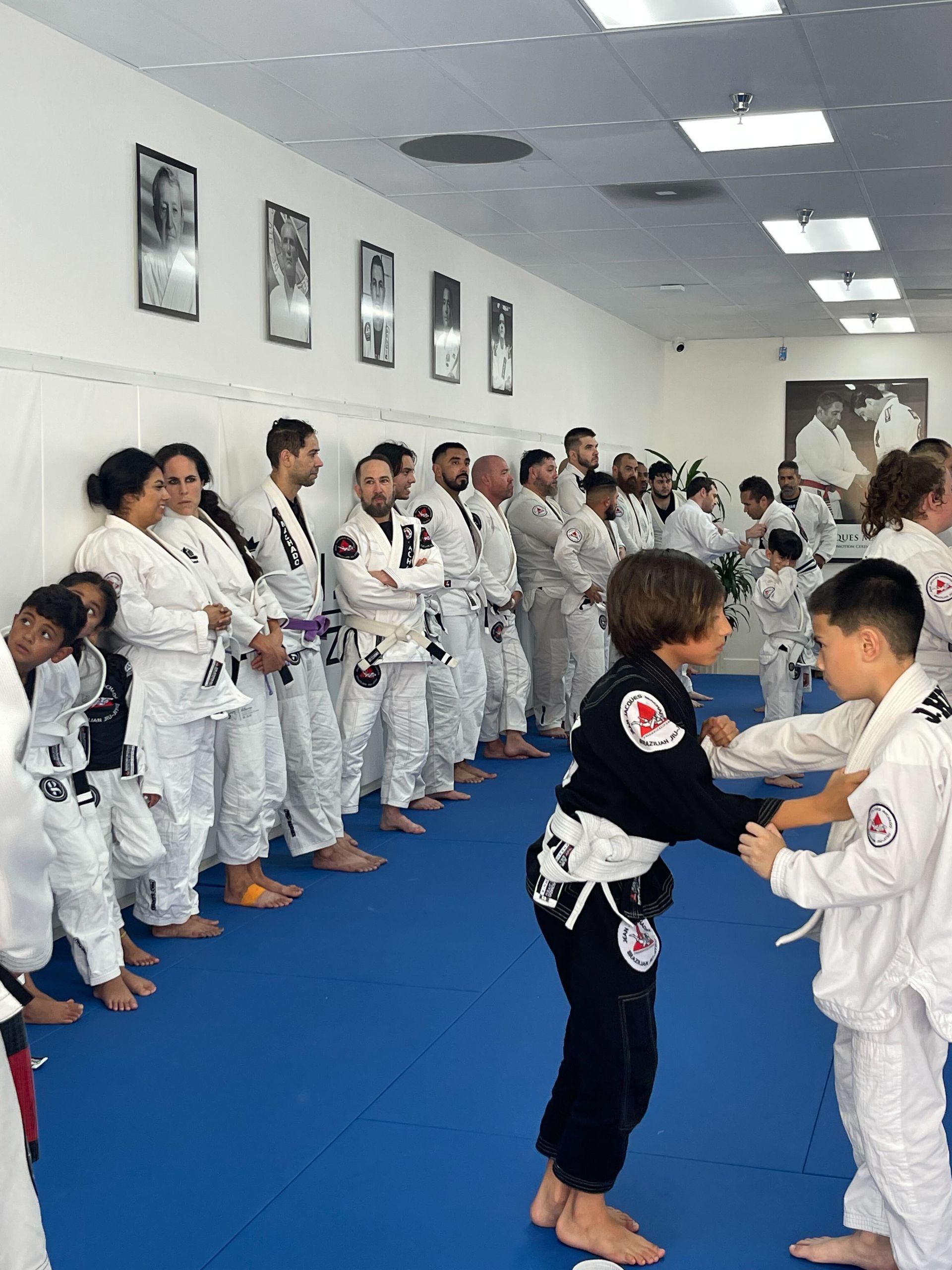
Kids do not train in a vacuum. Our classes require cooperation, communication, and trust. Students rotate partners, learn to read body language, and practice being safe and respectful.
That social piece matters in Fresno schools and sports, where teamwork and conflict resolution can make or break a year. In Youth Martial Arts, kids practice:
• Speaking up when something feels unsafe or confusing, using calm and clear words
• Adapting to different personalities and energy levels without getting thrown off
• Taking turns and sharing space, even when excitement runs high
• Respecting boundaries and learning consent through partner drills and controlled sparring
• Repairing small mistakes quickly, like accidental bumps, with simple accountability
Those are resilience skills, too. Social resilience is the ability to navigate people without constant emotional turbulence. Training gives kids a real-time lab to practice it.
Confidence built on competence, not bravado
We care about confidence, but not the loud kind that disappears under stress. The confidence we aim for comes from competence: your child knows what to do because your child has practiced.
In Youth Martial Arts, kids learn a skill, test it in drills, and revisit it until it feels natural. That process builds trust in their own ability to improve. When a child believes, I can learn hard things, life gets lighter. School becomes less intimidating. New activities feel possible.
This is also why we emphasize fundamentals. Flashy techniques do not help a beginner feel stable. Strong basics do.
The resilience loop: effort, feedback, adjustment, progress
One of the most practical lessons in youth martial arts in Fresno is how to move through a challenge cycle without getting stuck. We teach kids to treat training like a loop rather than a verdict.
Here is what that loop often looks like in class:
1. Try the technique with focus, even if it feels awkward at first
2. Get feedback from an instructor and information from the drill itself
3. Make one small adjustment, not ten things at once
4. Repeat with intention and notice what improves
5. Reflect briefly, then move on without dwelling
That sequence seems simple, but it is resilience in action. It is the habit of responding to difficulty with a plan.
What parents usually notice first
Families often tell us the first changes are subtle. Your child may become more comfortable making eye contact when speaking. Your child may handle correction with less defensiveness. Your child may show more patience with younger siblings, which is honestly a win.
Another common shift is follow-through. Kids start finishing what they start because training reinforces completion. Bow in, listen, practice, clean up, bow out. The routine teaches responsibility without a long speech.
Over time, many parents notice improved posture and calmer movement, too. A child who used to fidget constantly may still have energy, but it becomes more organized. That matters for learning.
Keeping training safe and age appropriate
Resilience does not require harshness. In fact, harshness can backfire and create avoidance. Our job is to keep the environment supportive, structured, and safe, so kids can take healthy risks.
We emphasize progressive learning, clear rules, and strong supervision. Partner drills are introduced carefully, and intensity is matched to age and experience. If a child is nervous, we meet that with coaching and patience, not pressure. Resilience grows best when a student feels seen and supported.
Take the Next Step
If you want your child to build steady confidence, emotional control, and real grit, Youth Martial Arts can be a practical starting point. The lessons carry into school, friendships, and sports because our training is about how your child responds when something is challenging, not just how your child performs when everything is easy.
We focus on helping Fresno families develop resilient young learners through consistent instruction and a culture of respect, and we do it every day at Jean Jacques Machado Jiu-Jitsu Fresno. When you are ready, we would love to help you find the right pace and path for your child.
Challenge your body and sharpen your mindset with martial arts training at Jean Jacques Machado Fresno.