
The right training routine does more than build skill, it gives your week a clearer purpose.
Motivation is tricky because it is not just a feeling, it is a practice. In Fresno, we see it all the time: you can start the week with strong intentions and still feel your energy fade by Wednesday. That is exactly why martial arts can be such a useful anchor, because it gives you a structured way to show up, improve, and measure progress in real time.
In our classes, motivation is not treated like magic. We build it through consistent training, clear coaching, and a culture where you can work hard without feeling judged. Whether you are here for fitness, self-defense, or a mental reset, the goal is the same: help you leave the mat with more drive than you walked in with.
Why motivation responds so well to martial arts
Motivation tends to grow when three things are present: clarity, momentum, and reward. Martial arts naturally creates all three. You know what you are working on, you can feel yourself getting better week to week, and you get small wins often enough to stay engaged.
The other piece is identity. When you train consistently, you do not just have a hobby, you become someone who trains. That shift matters on the days when you feel tired or distracted, because your habits start carrying you forward instead of relying on willpower alone.
Turning “I should” into “I did” with a real schedule
A common motivation problem is vague planning. “I should work out” sounds nice, but it does not tell you when to go, what to do, or how hard to push. Training solves that by giving you a class time, a curriculum focus, and a coach who keeps the pace honest.
When you follow a class schedule, you remove dozens of tiny decisions that drain energy. You just show up, warm up, learn, drill, and finish. That consistency is not boring, it is freeing. It also makes it easier to protect your training time like any other appointment.
Small wins that stack up fast
One of the fastest ways to reignite motivation is to get measurable improvement that you can feel. Martial arts gives you that in a very hands-on way: cleaner footwork, better balance, sharper timing, more control under pressure. Even if your day was messy, you can still leave class knowing you improved something specific.
We keep progress realistic by focusing on fundamentals first. When basics get stronger, everything else becomes less stressful. That is when people start training more consistently, not because someone told you to, but because you like who you are becoming.
What progress looks like in the first few weeks
In the beginning, motivation often comes from novelty. Then it shifts into confidence when you realize the training is actually working. Here are a few early changes many students notice:
• You breathe better under effort and recover faster between rounds
• You remember techniques more easily because repetition makes them familiar
• You feel less awkward moving your body, especially with footwork and balance
• You begin to trust your ability to learn, even when something is challenging
• You start looking forward to training as a reset button for the week
Those changes may sound simple, but they are exactly what keeps motivation alive.
Stress relief that does not require “being calm”
A lot of advice about stress management sounds great but falls apart in real life. If your nervous system is already on high alert, “just relax” is not helpful. Training gives you a physical outlet that also teaches control, so you get to discharge stress while practicing composure.
There is a specific kind of relief that comes from focusing on one task at a time. When you are drilling a technique or working through a round, your brain stops spinning on everything else. You still think, but it is clean thinking. That mental quiet is one of the most practical motivation boosts we see, because you leave class lighter.
Confidence that shows up outside the gym
Confidence is not just hype, it is evidence. You gain it by doing hard things in a controlled environment and proving to yourself that you can adapt. Martial arts training is full of those moments: learning a new movement, getting feedback, trying again, and improving.
That confidence tends to spill into everyday situations. You may notice you speak up more clearly at work, set better boundaries, or handle tense moments with less panic. Those changes are deeply motivating because they make life feel more manageable, and when life feels manageable, you act with more intention.
The motivation boost of real accountability
Accountability works best when it feels supportive, not invasive. In our program, you are not shouted at or singled out. Instead, our coaching, training partners, and class structure create a simple expectation: if you show up, we will help you get better.
That matters because motivation often dips when you feel like nobody would notice if you skipped. In a strong training room, people do notice, and it feels good. It is not pressure, it is belonging. And belonging is one of the most underrated drivers of long-term consistency.
Skill-based fitness: why it keeps you engaged longer
Many workouts become repetitive because the only variable is intensity. Martial arts changes the equation. Yes, you get stronger and fitter, but you are also learning a skill. That means your brain stays involved, and involvement is fuel for motivation.
Skill-based training also helps you train smarter. Instead of chasing exhaustion, you learn to move efficiently, keep good posture, and stay aware of spacing and timing. Over time, you get results with less wear and tear, which makes it easier to keep training week after week.
Adult training: progress that fits real life in Fresno
For many people looking for adult martial arts in Fresno, the challenge is not interest, it is bandwidth. Work, family, and stress can crowd the calendar fast. We keep training realistic by offering a structured approach where you can come in, learn, and leave feeling accomplished, even if you are not training every single day.
You do not need to be in perfect shape to start. You build conditioning as you go, and you learn at a pace that respects safety and longevity. That approach supports motivation because it reduces the all-or-nothing mindset that causes so many people to quit.
How we help you stay consistent when life gets busy
Consistency is a skill, and we treat it that way. A few strategies we use in class and in our coaching conversations:
1. Set a minimum weekly training goal you can actually keep, then build upward
2. Focus on fundamentals you can repeat under stress, not random techniques
3. Track simple wins like attendance, improved control, and better breathing
4. Use training as your stress reset, not another source of pressure
5. Keep the next class on your calendar before you leave the building
This is how motivation becomes routine instead of a constant battle.
Practical self-defense and the calm that comes with it
Motivation rises when you feel safer and more capable. Training for practical self-defense helps you pay attention to positioning, awareness, and decision-making. It is not about acting tough, it is about being prepared and reducing uncertainty.
When you train with realistic intent and controlled intensity, your body learns how to respond under pressure. That changes how you carry yourself in daily life. You tend to walk with more awareness, make clearer choices, and feel less rattled. That steadier baseline is a quiet but powerful form of motivation.
Community: the hidden engine behind long-term drive
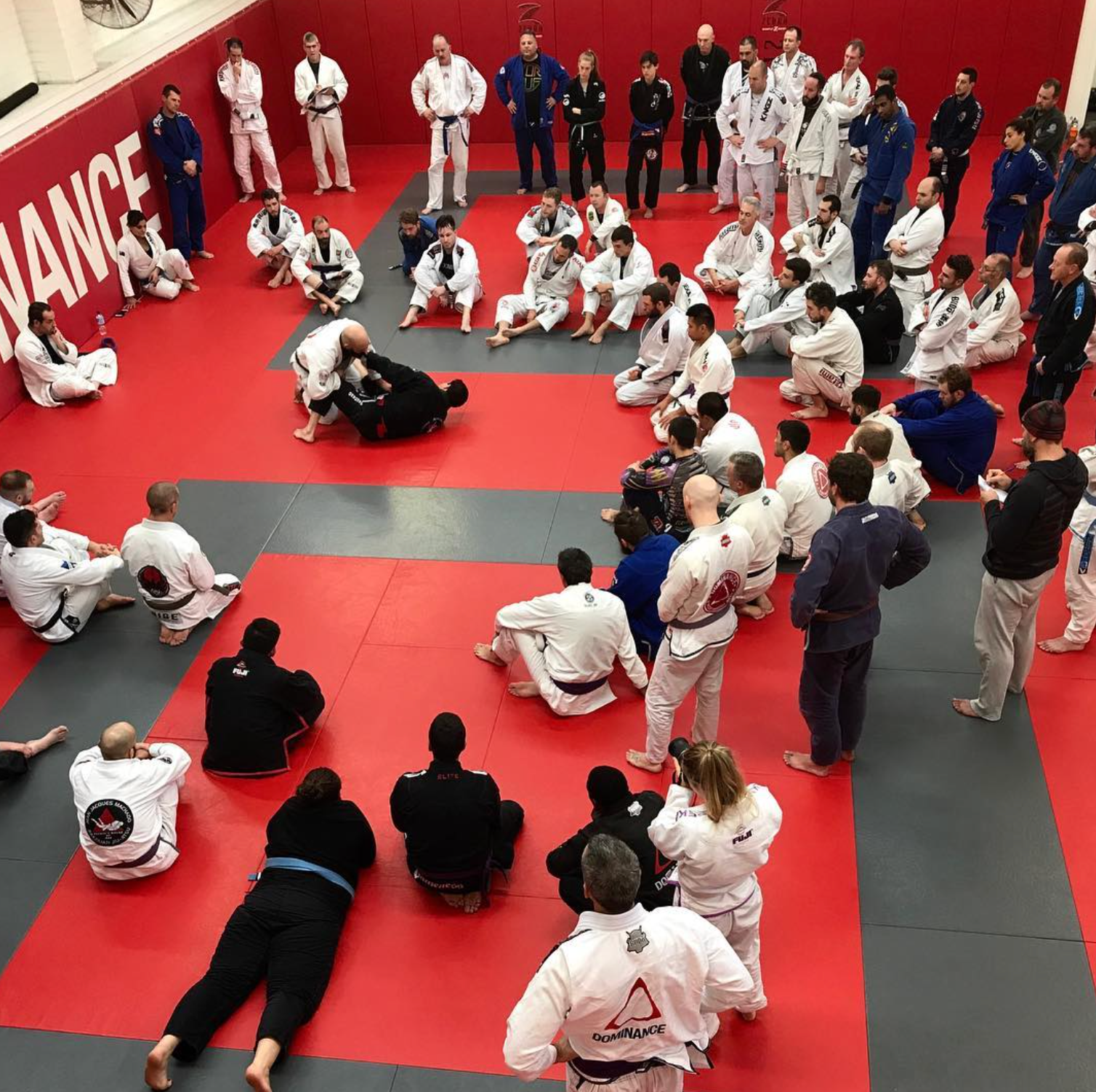
People often start training for personal reasons, but they keep training because of the environment. A good training culture makes it easier to show up on days when your motivation is low. You do not feel like you have to perform, you just have to participate.
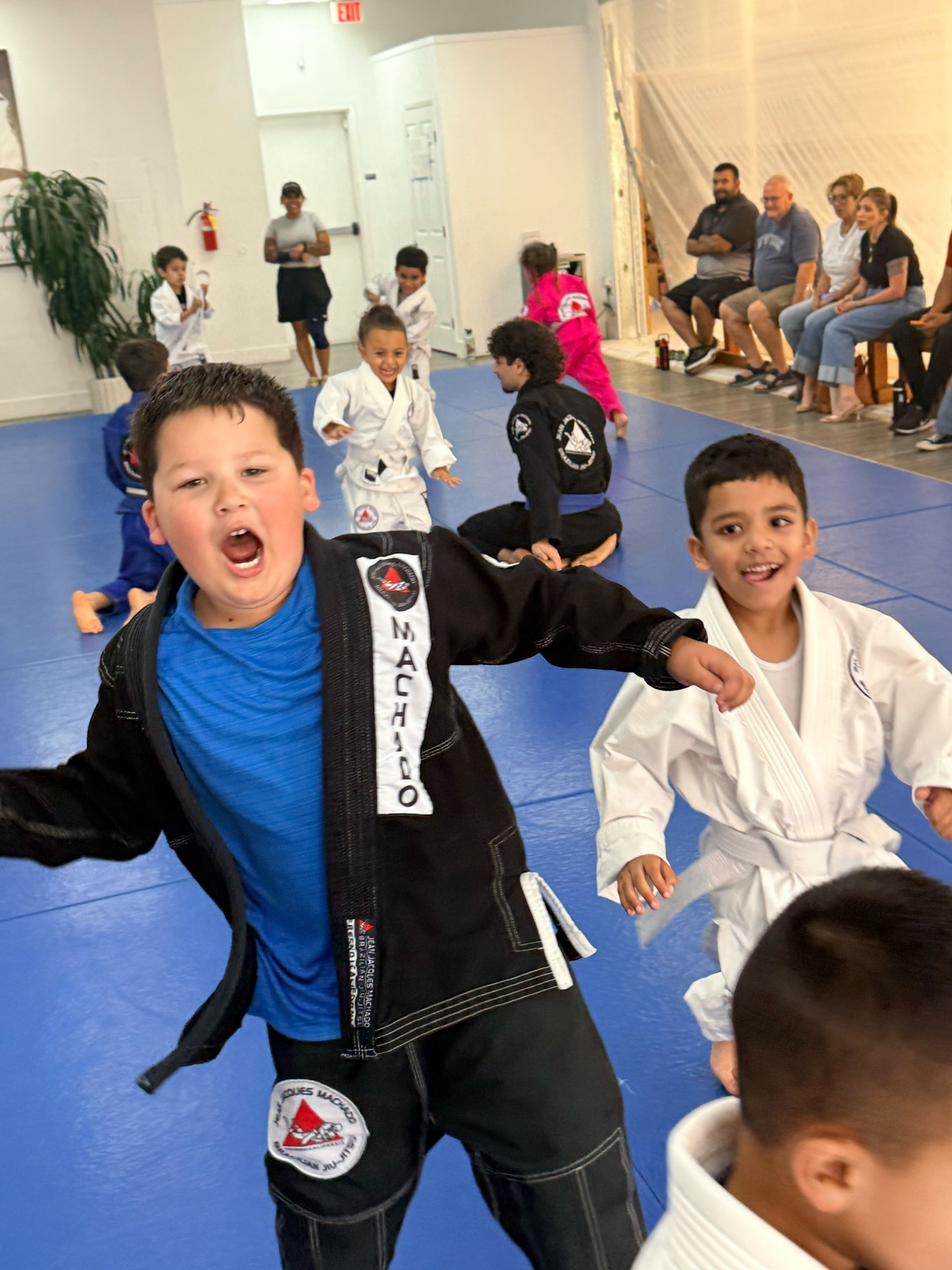
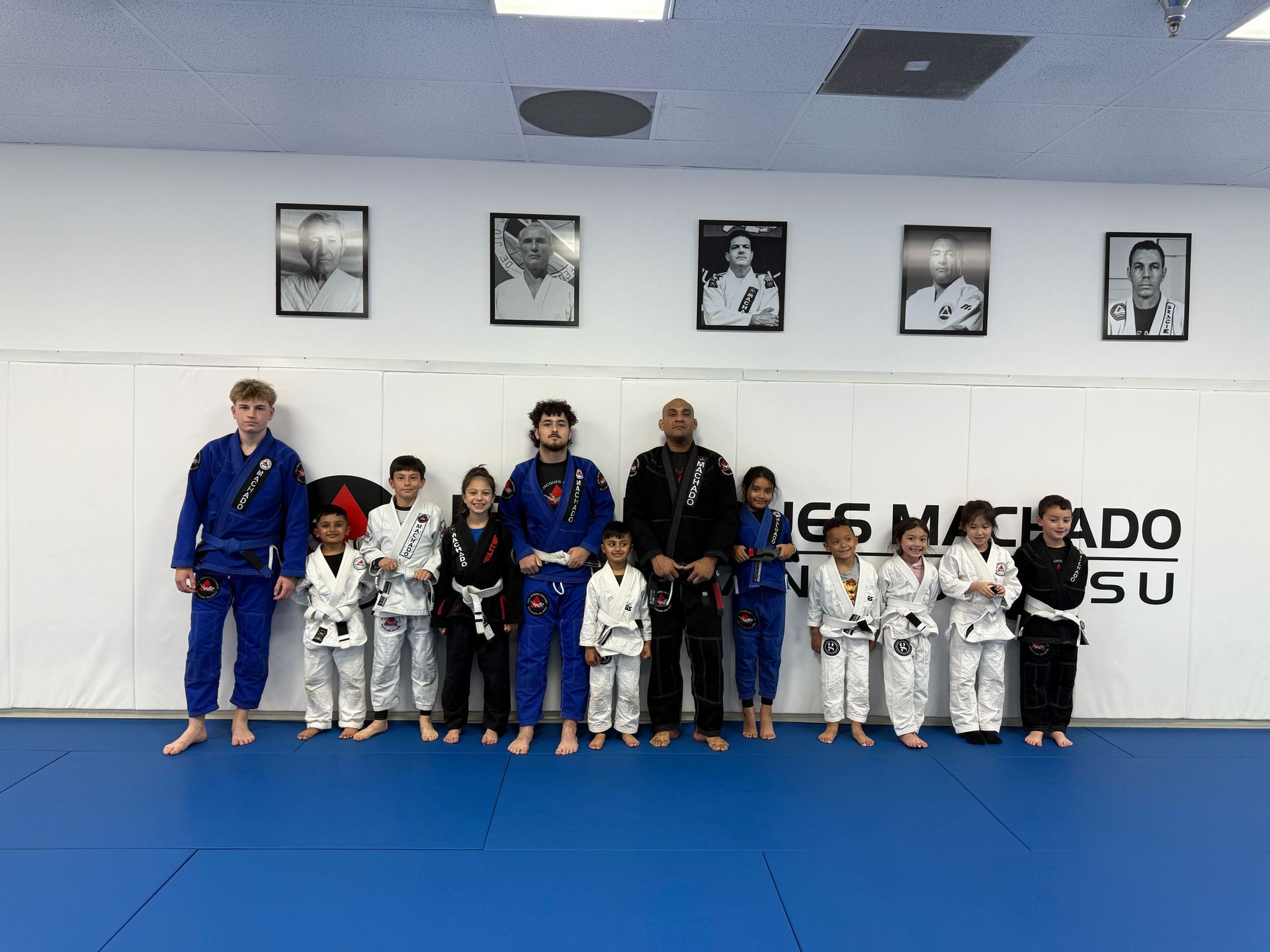
Our room is built around respectful training, good coaching, and partners who want you to improve. That combination creates momentum. When you are surrounded by others who are working, your own effort feels normal, not exceptional. And that normalizes discipline in a way that carries into the rest of your life.
What to expect from martial arts classes in Fresno CA
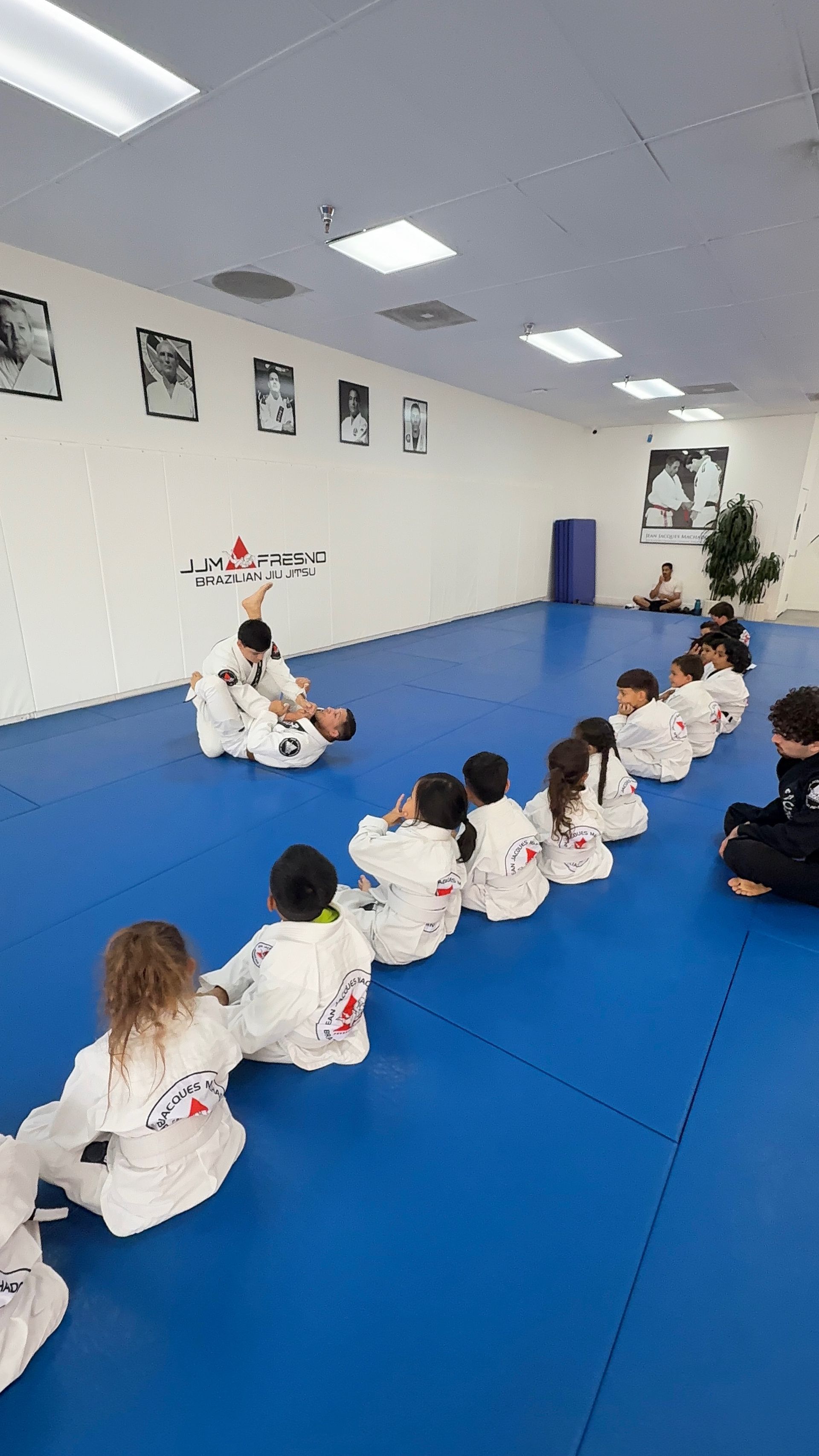
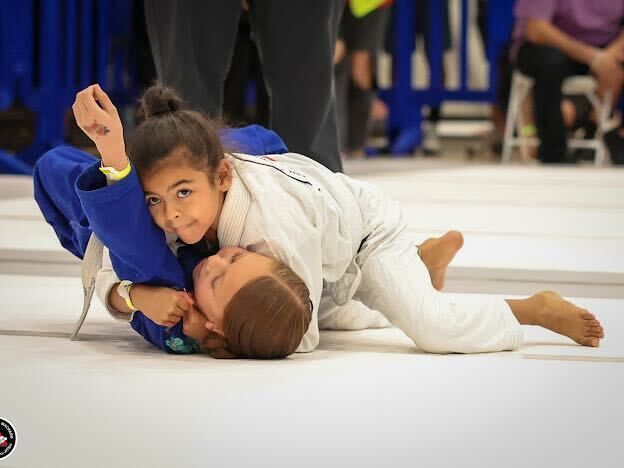
If you are searching for martial arts classes in Fresno CA, it helps to know what a typical session feels like. We run classes with a clear structure: warm-up, technical instruction, drilling, and controlled practice that matches your level. You will sweat, but you will also think. That mix is part of why motivation stays high.
You will also notice that training days tend to improve the rest of your day. People often tell us they sleep better, eat with more intention, and feel less tempted to procrastinate. That is not because training fixes everything, but because it creates a strong reference point: you did something hard on purpose, and the rest of the day feels more doable.
Take the Next Step
If you want motivation that lasts longer than a burst of inspiration, training is a practical place to build it. At Jean Jacques Machado Fresno, we keep the focus on real skill development, steady progress, and a training environment that helps you show up even when your day has been full.
When you are ready, we will help you choose a starting point that fits your goals, your schedule, and your current fitness level. Martial arts is a long game, but it starts to improve your week right away, and that early momentum matters.
You do not need prior experience to get started. Join a martial arts class at Jean Jacques Machado Fresno.