
The right martial arts class can turn shy hellos into confident handshakes, one practice at a time.
When parents look into youth martial arts, the first questions are often about safety, confidence, and discipline. We talk about those a lot, and for good reason. But one of the biggest wins we see in our kids and teens programs is simpler and more everyday: better social skills and stronger friendships.
Youth martial arts in Fresno can be a powerful antidote to the social pressure kids feel at school, online, and even in sports. In our classes, kids practice how to communicate, how to handle mistakes without melting down, and how to work with someone who is different from them. Those are real life skills, not just training-room goals.
Below, we break down how martial arts training supports social growth, what the process looks like in a typical week, and how you can spot the difference as your child becomes more comfortable, connected, and confident.
Why youth martial arts helps kids connect in a real way
Friendships usually form when kids share repeated experiences, solve small challenges together, and feel safe being themselves. That is exactly what we build into our training culture. Instead of forcing social interaction, we create structure that makes it easier. Kids know what to do, where to stand, how to greet a partner, and how to take turns.
Youth martial arts also gives kids a shared language. When your child learns a position, a movement pattern, or a rule of safety, that becomes a conversation starter with classmates on the mat. Over time, the awkwardness fades, and what replaces it is familiarity and trust.
Just as important, martial arts in Fresno often becomes a steady point in a busy week. School changes, friendships shift, and schedules get chaotic. Training stays consistent, and consistency is where many kids relax enough to open up.
The social skill most kids need first: comfortable communication
Some kids struggle to speak up. Some talk nonstop but miss social cues. Some freeze when they do not know what to say. In class, communication is not optional, but it is also not overwhelming. We guide kids through short, simple interactions that repeat until they feel normal.
Partner drills teach speaking clearly and listening closely
A lot of our training involves partner work. That means kids have to ask and answer questions like, Are you ready, Can you try that again, or Did that feel too fast. When we teach these habits early, kids learn something surprisingly mature: communication is part of keeping everyone safe and improving together.
That carries over to school. Kids who practice respectful partner communication often become more comfortable contributing in group projects or asking a teacher for help. It is not magic. It is repetition, in a setting where the rules are clear and the stakes are low.
A structured environment helps shy kids participate
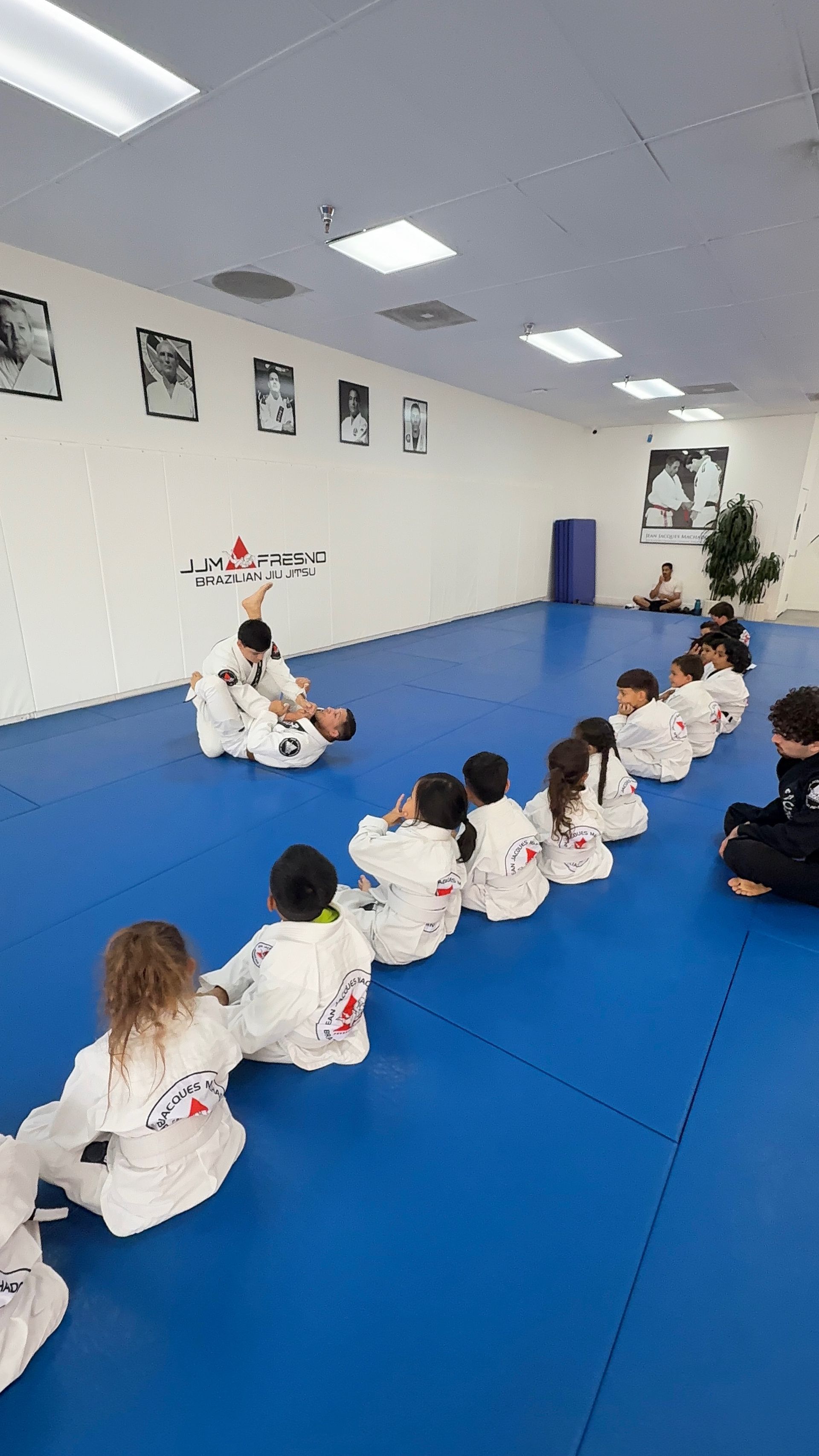
Some children want friends but do not know how to enter a group. Our classes give them a predictable routine, and that routine makes social contact easier. When kids line up, warm up, rotate partners, and follow the same basic rhythm each class, social interaction becomes less intimidating.
Youth martial arts gives shy kids a role. Instead of needing to be funny or loud to be noticed, they can be consistent, helpful, and coachable, and those qualities get respect quickly.
Respect builds friendships faster than popularity ever will
We center our kids program around respect: respect for coaches, respect for training partners, respect for the rules, and respect for the space. That may sound traditional, but it is also incredibly practical.
When kids learn to greet partners, wait their turn, and use controlled intensity, their peers feel safer around them. Safety is the foundation of friendship in any environment, especially physical activities. Respect also reduces the small social frictions that cause kids to quit activities: feeling picked on, ignored, or singled out.
In youth martial arts, respect is not an abstract value. It is visible behavior. Kids see what respectful effort looks like, and they learn how to give it back.
Confidence and leadership: the social ripple effect
Confidence is one of the most researched benefits of martial arts training, and we see it in a very specific way: kids start initiating. Instead of waiting to be included, confident kids raise their hand, ask to partner up, and try new things without needing a long pep talk.
This kind of confidence tends to show up outside the gym, too. Kids who feel capable physically often feel more capable socially. They walk into a classroom differently. They handle a joke differently. They bounce back faster when something feels awkward.
How progression creates confidence without ego
A healthy martial arts program rewards consistency more than talent. That matters socially because it gives every child a path to succeed, even if your child is not the most athletic kid in the room.
We use clear expectations, step-by-step instruction, and achievable goals. When kids meet those goals, confidence grows naturally. And because we constantly rotate training partners, kids learn that leadership is not bossiness. Leadership is helping someone else improve while staying calm and respectful.
Emotional resilience: learning to lose, reset, and try again
Social challenges feel bigger when kids do not know how to regulate disappointment. Martial arts training includes a steady dose of small mistakes, and that is actually a gift. Kids miss a step, forget a detail, or get gently out-positioned in a drill. Then we reset and keep going.
Over time, kids learn that failure is information, not identity. That lesson protects friendships. It reduces overreactions. It helps kids apologize without spiraling. It helps them handle competitive moments without turning them personal.
Research on youth development also links martial arts participation with self-regulation, improved self-esteem, and lower rates of anxiety and depression symptoms in many adolescents. We cannot promise a specific mental health outcome, but we can say this: a calm training routine, supportive coaching, and a respectful peer group can make a real difference in how kids carry stress.
What friendships look like on the mat (and why they last)
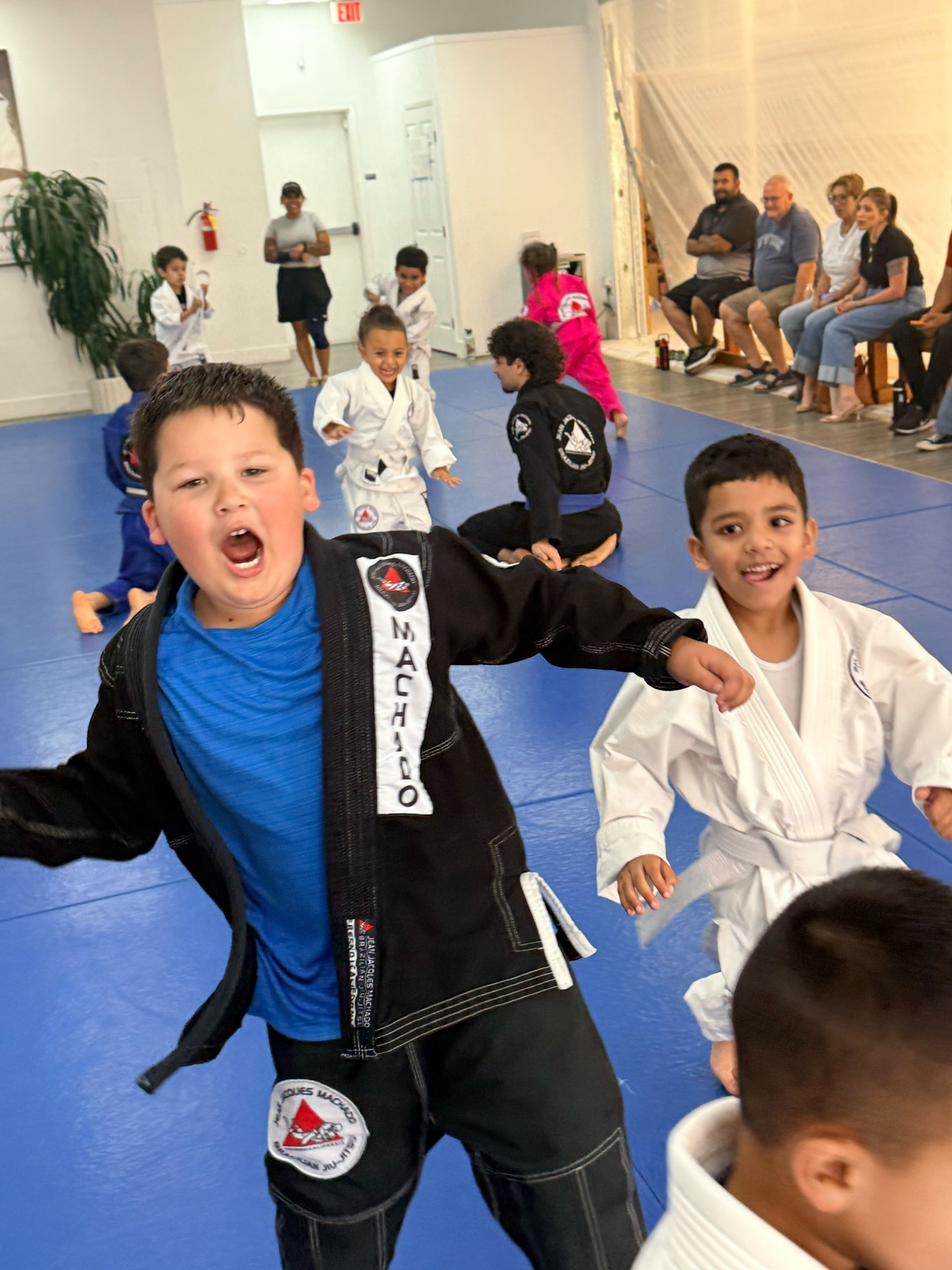
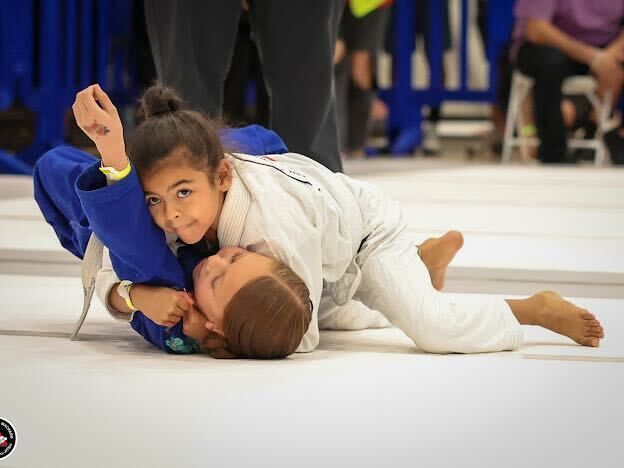
Kids do not bond just by talking. They bond by doing something together, especially something slightly challenging. Training creates shared experiences every week: learning a new movement, laughing at the occasional clumsy moment, and celebrating progress that outsiders might not notice.
In our experience, the friendships that form in youth martial arts are often built on:
• Consistent contact that makes relationships feel familiar and safe over time
• Shared goals like learning a technique, earning progress, or improving focus in class
• Mutual trust developed through controlled partner drills and clear safety rules
• Positive reinforcement from coaches that rewards helpfulness and respect
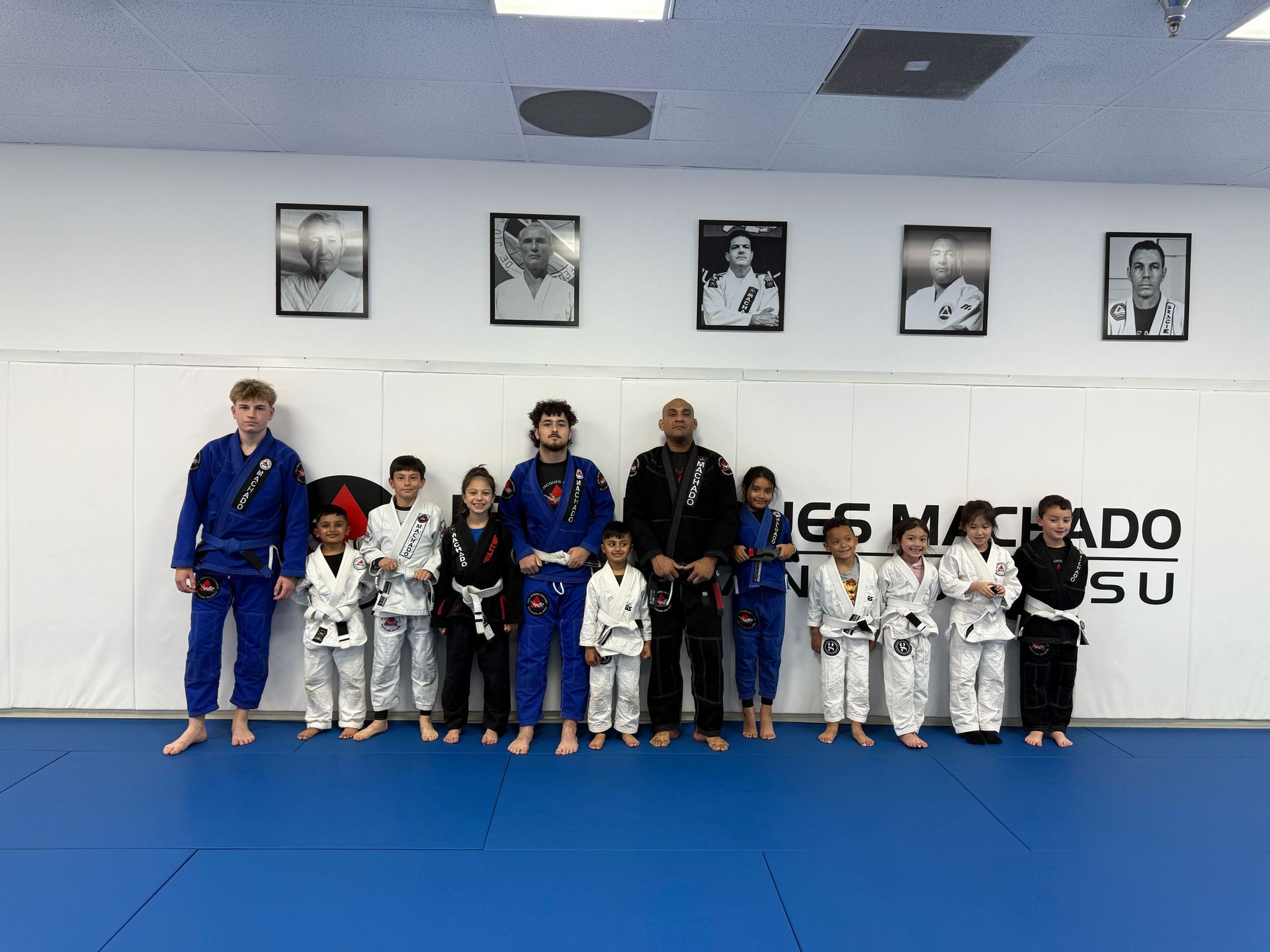
• A community feeling where kids are known by name and effort, not popularity
Those bonds tend to be steady. Even when kids have different schools or different social circles, training gives them a place to reconnect.
Youth martial arts in Fresno and the value of belonging
Fresno is a city with a lot of different neighborhoods, school cultures, and family routines. One thing many parents want is a space where their child can belong without needing to perform socially. That is one of the quiet strengths of training.
When kids wear the same uniform, follow the same class structure, and share the same expectations, a lot of social barriers drop away. Kids do not have to guess the rules of the room. They can focus on effort, listening, and teamwork.
Belonging is also protective. When kids feel connected to a healthy community, they are less likely to isolate, act out for attention, or chase acceptance in risky places. Again, we do not frame martial arts as a cure-all, but community matters. A lot.
How a typical class builds social skills without awkward pressure
Parents sometimes worry that their child will feel put on the spot. We get it. Our goal is the opposite: create a steady rhythm that makes social confidence feel normal.
Here is the general flow we use to support social development through training:
1. Greeting and warm-up routines that teach polite interaction and calm focus
2. Technique instruction where kids practice listening, asking questions, and following steps
3. Partner drills where communication, consent, and safety become automatic habits
4. Rotations that help kids meet more classmates without needing to initiate every time
5. Positive coaching that reinforces effort, respect, and emotional control
6. Cooldown and wrap-up that teaches gratitude, reflection, and closure
This structure matters because it teaches social skills as behaviors, not as lectures. Kids practice the same social patterns until those patterns become part of who they are.
Safety and boundaries: the hidden social skill
A surprising social benefit of youth martial arts is learning boundaries. Kids learn when to go harder and when to lighten up. They learn how to match a partner’s pace. They learn to stop immediately when asked. Those skills create trust quickly.
Boundaries also help kids outside the gym. When your child knows how to say, That is too much, or Can we slow down, your child becomes safer socially and more confident in uncomfortable moments.
We reinforce these habits constantly because safety is not just physical. It is emotional, too. Kids who feel safe learn faster, make friends faster, and stay consistent longer.
What parents in Fresno can watch for at home
Progress is not always obvious after the first week. Social growth is often subtle until one day it is not. You may notice your child speaking a little more clearly, making eye contact more comfortably, or handling frustration with less drama.
Some common changes parents report after consistent youth martial arts training include better manners in group settings, more willingness to try new activities, improved patience with siblings, and a calmer response to correction. Those are social skills in everyday form, and they tend to stack over time.
Take the Next Step
Building friendships is not about forcing your child to be extroverted. It is about giving your child structured opportunities to practice respect, communication, confidence, and resilience with supportive coaching and consistent peers. That is exactly why we take our youth martial arts program seriously, especially for families navigating busy school schedules and the social pressures kids face now.
If you want a place where your child can train hard, feel safe, and grow socially at a realistic pace, we would love to welcome you in. At Jean Jacques Machado Jiu-Jitsu Fresno, our goal is to help Fresno kids build skills that show up on the mat and in everyday life, including the kind of friendships that last.
Train consistently and see measurable progress by joining a Brazilian Jiu-Jitsu class at Jean Jacques Machado Fresno.