Youth martial arts turns everyday kids into calm, capable leaders by teaching them how to think, communicate, and follow through.
In Fresno, a lot of parents are looking for something more than “an activity” after school. You want your child moving, yes, but you also want better focus, stronger confidence, and the kind of leadership that shows up in classrooms, friendships, and family life. That’s exactly why Youth martial arts has become such a powerful option for youth development.
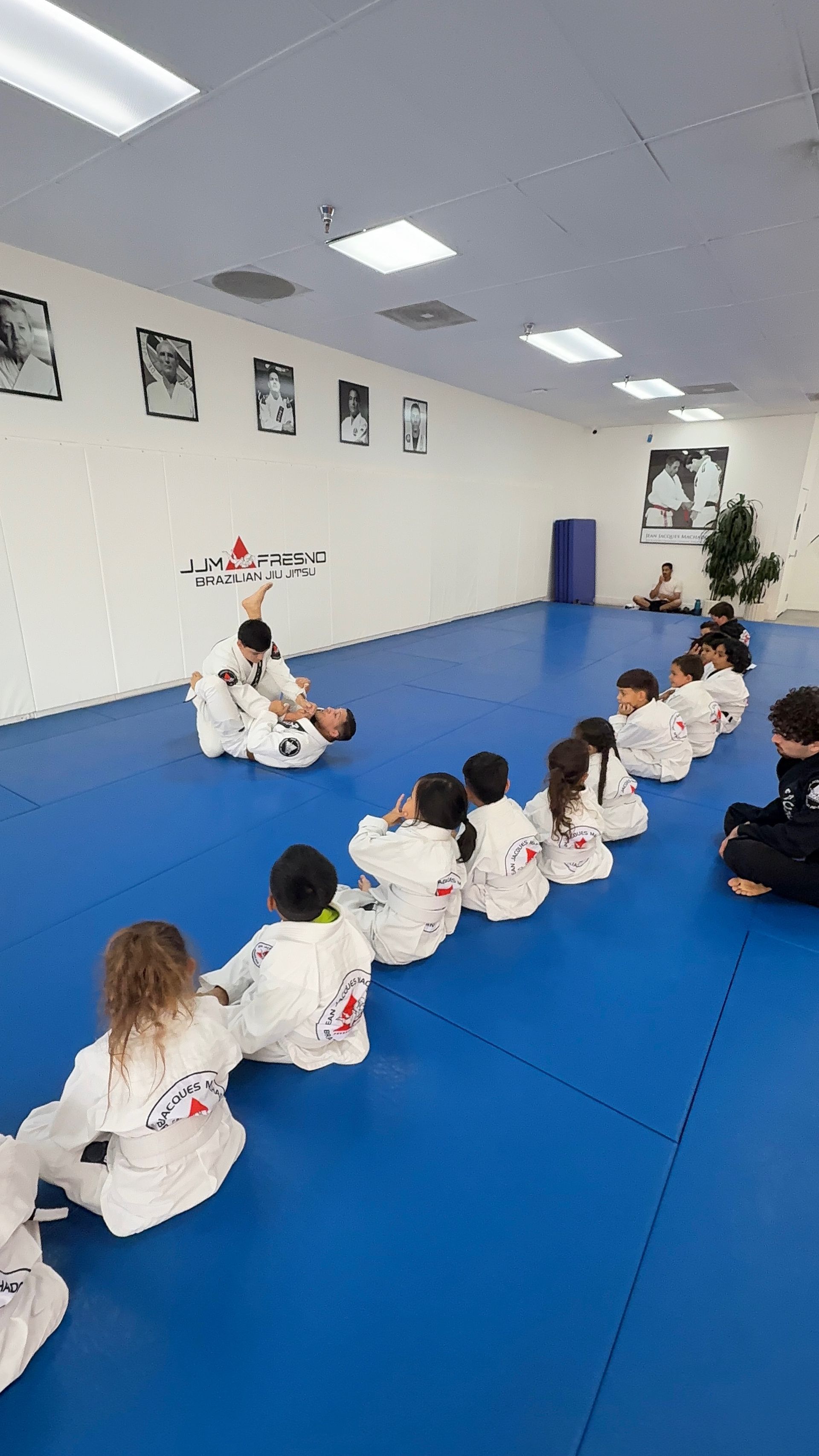
Nationally, about half of martial arts students are under 18, which adds up to roughly four million kids training across the U.S. That popularity makes sense when you see what happens on the mat: kids practice listening, problem-solving, and working with others in a structured setting that still feels fun. In our youth program, we use Brazilian Jiu-Jitsu as the vehicle, but leadership is the destination.
Why leadership develops so naturally in Youth martial arts
Leadership isn’t just being the loudest voice or the “captain.” For kids, leadership often looks like small choices repeated consistently: showing respect, staying composed when frustrated, and being willing to help a teammate. Youth martial arts supports those choices because training is built on clear expectations and real-time feedback.
A good class format does something school and sports sometimes struggle with: it gives immediate, concrete consequences. If your child slouches and stops paying attention, technique suffers. If your child listens, tries, and adjusts, progress shows up fast. That tight connection between effort and results is a leadership lesson kids can feel in their bodies.
Leadership skill 1: Discipline that is practiced, not preached
Discipline is one of those words that can feel heavy, but in training it’s surprisingly practical. Kids learn to line up, follow directions, and transition between drills without constant reminders. Over time, that structure becomes internal.
We build discipline through routines that kids can predict and succeed with:
- Arriving on time and being ready to start
- Keeping a uniform clean and training gear organized
- Paying attention during instruction and partner drills
- Finishing a round even when it feels challenging
The point is not “perfect behavior.” The point is giving your child a repeatable system for doing hard things with a steady mindset.
Leadership skill 2: Confidence built from earned progress
Confidence in kids is tricky. You can’t just tell a child, “Believe in yourself,” and expect it to stick. In Youth martial arts, confidence grows because kids see proof of improvement, week after week.
Belt promotions, skill check-ins, and learning to demonstrate techniques for others all matter here. When your child learns a position, practices it, then successfully applies it with a partner, confidence becomes real. That tends to show up in school participation, public speaking, and even simple things like making eye contact when talking to adults.
Leadership skill 3: Goal-setting that fits a kid’s brain
Big goals can feel overwhelming, especially for younger students. Our approach breaks goals into small milestones, which is exactly how leadership is built: one decision at a time.
A youth student might start with goals like:
1. Attend class consistently for a month
2. Learn the names and key steps of a few core positions
3. Practice controlled movement and safe partner habits
4. Earn a stripe by showing improvement in effort and focus
5. Help a newer student feel welcome and supported
Kids learn that leadership is not a personality type. It’s a skill set built through consistency.
How partner training teaches communication and respect
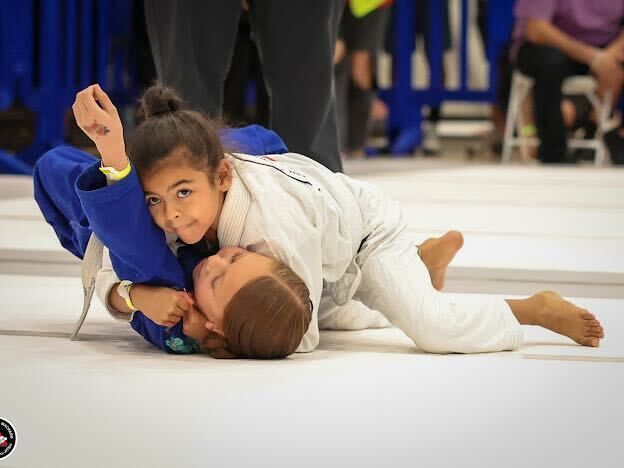
Brazilian Jiu-Jitsu is a grappling art, which means kids must work closely with training partners. That closeness is actually one of the best leadership builders we have. It requires body awareness, self-control, and constant communication.
Respect shows up in the little moments: asking a partner if the pace is okay, resetting when something feels awkward, and listening when a coach offers corrections. Those habits translate directly into better peer relationships because kids learn how to cooperate without needing to “win” every interaction.
Learning to lead without dominating
One concern we hear from Fresno parents is whether martial arts training encourages aggression. The reality is that a well-run class does the opposite. We reward control, calm decision-making, and responsible behavior.
Leadership in Youth martial arts looks like:
- Using technique rather than strength
- Pausing when a partner is uncomfortable
- Accepting feedback without shutting down
- Staying respectful even during competitive rounds
Kids learn that real confidence is quiet. It doesn’t need to prove itself.
Mentorship: where leadership becomes visible
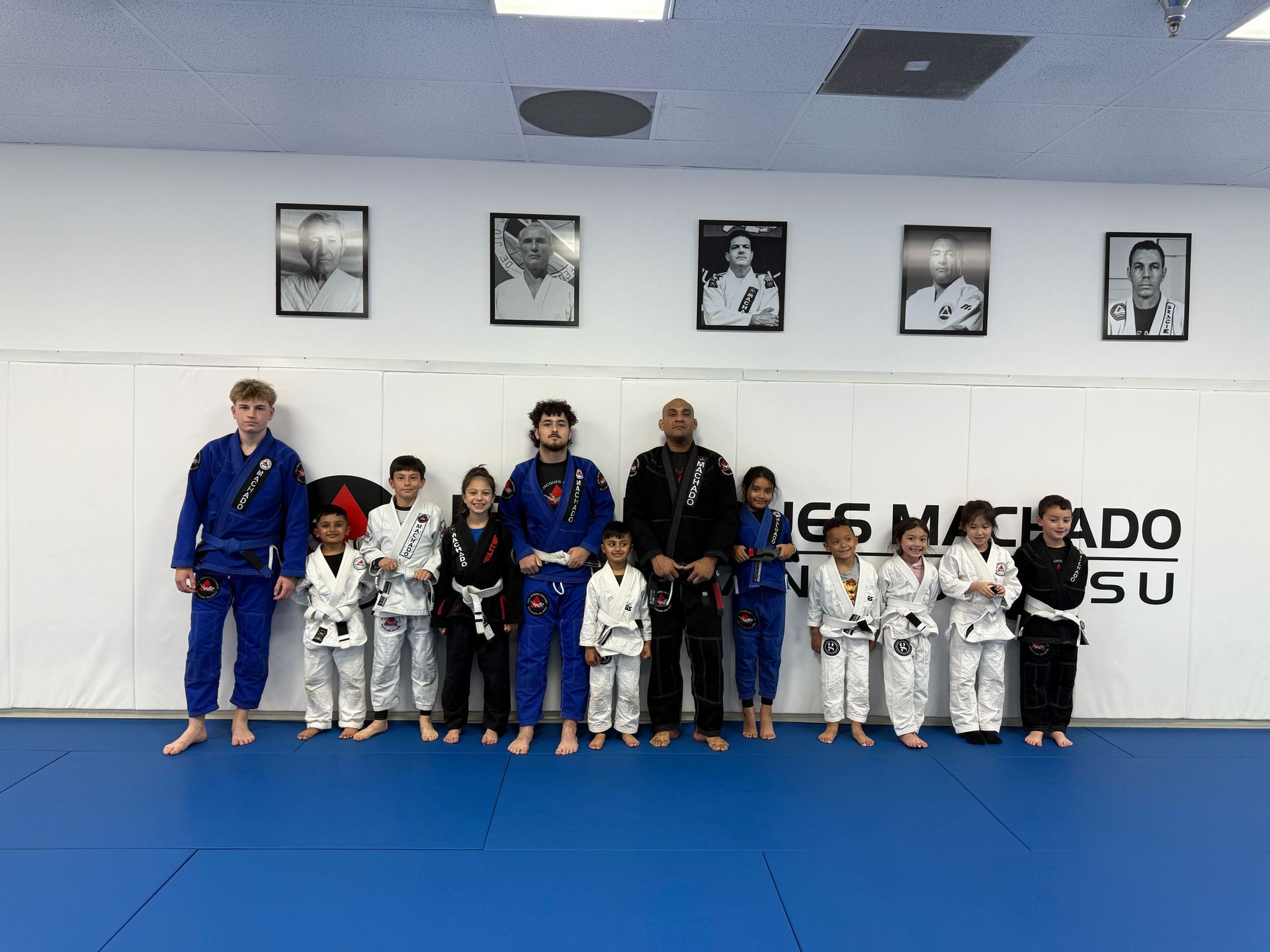
One of the strongest trends in modern youth programs is mentorship. When kids reach a certain level of maturity and skill, we start giving them small, appropriate leadership responsibilities. This might be helping a newer student understand a drill, partnering with a younger child to model safe movement, or assisting with warm-ups under supervision.
Mentorship works because it changes the child’s role. Your child is no longer only a participant. Your child becomes part of the culture of the room, and that sense of responsibility builds initiative quickly.
What kids learn when we let them help
When a student assists in a controlled way, we usually see growth in:
- Patience, because teaching requires slowing down
- Clarity, because explaining a move forces real understanding
- Empathy, because newer students feel nervous and unsure
- Accountability, because leadership means setting a good example
And yes, we keep it age-appropriate. Leadership is earned in small steps, not handed out as a title.
Adaptability under pressure (and why it matters in Fresno schools)
Leadership is tested under stress. A lot of kids know what to do when things are easy, but struggle when emotions spike. Grappling training creates safe, supervised pressure where kids practice staying calm while problem-solving.
Because situations change quickly in Brazilian Jiu-Jitsu, kids learn to:
- Think in sequences instead of panicking
- Adjust when a plan doesn’t work
- Keep trying without melting down
- Breathe, reset, and continue
That adaptability is valuable for real life: group projects, classroom presentations, social conflicts, and the everyday unpredictability of being a kid.
Youth martial arts and emotional intelligence
Leadership is deeply connected to emotional intelligence. Kids who can name what they’re feeling and choose a response are better leaders, better friends, and honestly easier to coach.
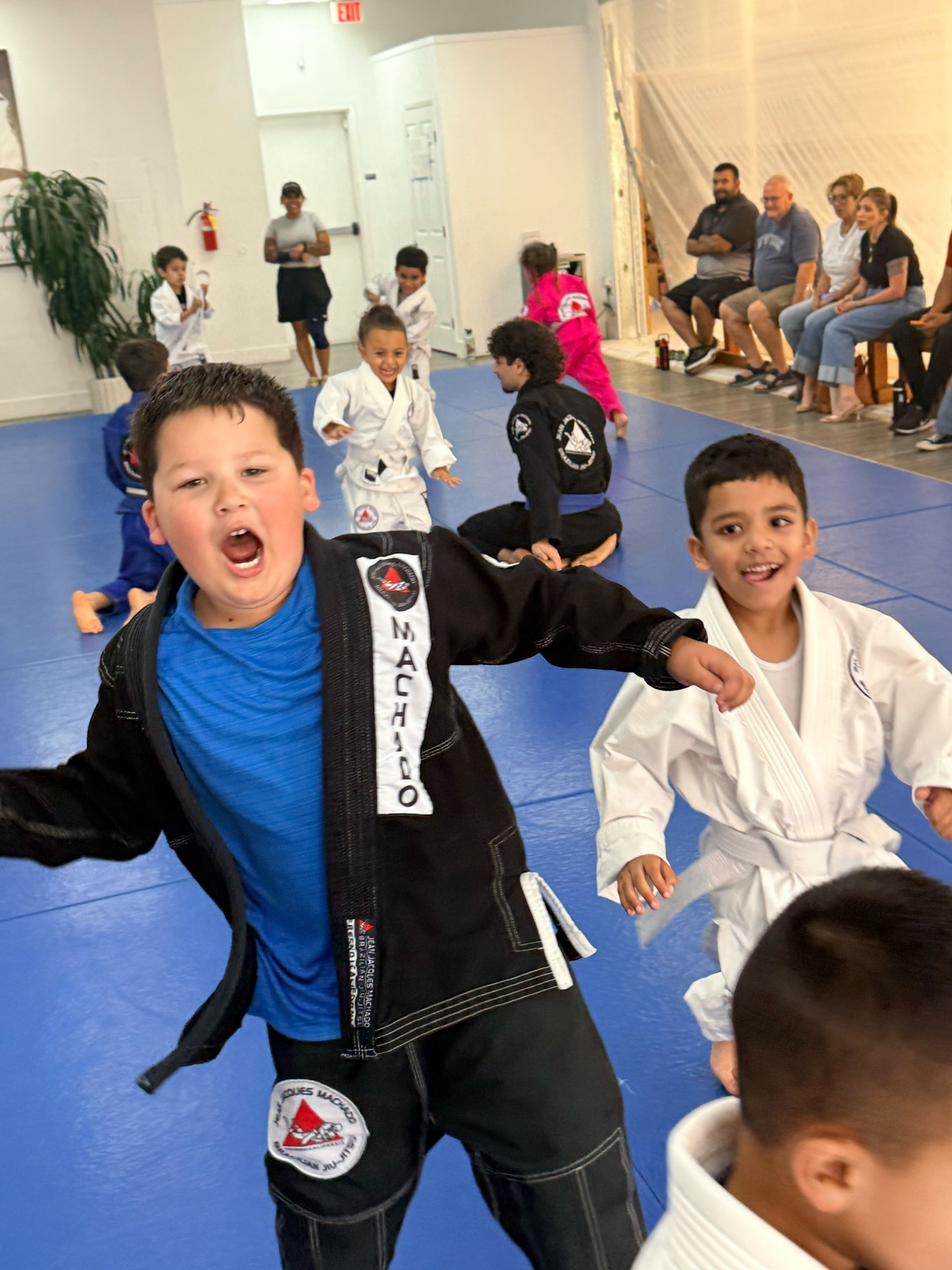
In training, emotional intelligence develops because kids experience frustration, excitement, and nerves in a structured environment. We guide them to handle those feelings appropriately. That might mean learning how to lose a round without spiraling, or learning how to win without bragging. Both are leadership lessons.
Self-control is a skill your child can practice
In our classes, self-control isn’t abstract. It’s physical. Kids learn to control pressure, pace, and intensity. They learn to stop when asked. They learn to move with awareness. Over time, that physical self-control supports better emotional self-control too.
And for many Fresno families, that’s one of the biggest wins: fewer impulsive reactions, more thoughtful choices.
Bullying, boundaries, and confident decision-making
Parents often ask if Youth martial arts helps with bullying. We can’t promise any single activity solves every social problem, but we can say this: training gives kids better posture, better awareness, and better boundary-setting skills.
There’s also a subtle shift that happens when kids train consistently. They start carrying themselves differently. Confidence becomes visible, and that alone can reduce the chance of being targeted.
Just as important, kids learn what appropriate assertiveness looks like:
- Speaking clearly instead of mumbling or yelling
- Holding boundaries without escalating
- Getting help from adults when needed
- Understanding when to disengage
We keep the focus on safety and responsibility, not on acting tough.
What ages can start, and how often should kids train?
Many kids can start around age 5, as long as we keep classes movement-based, structured, and fun. As kids get older, we add more technical detail and more goal-setting responsibility.
A common training rhythm looks like:
- Younger kids: 2 times per week to build consistency without burnout
- Pre-teens: 2 to 3 times per week for steady skill growth
- Teens: 3 times per week if your goal includes faster progression and leadership opportunities
Consistency matters more than intensity. Two solid classes weekly often beats an on-and-off schedule of four classes one week and none the next.
What to expect in a typical class
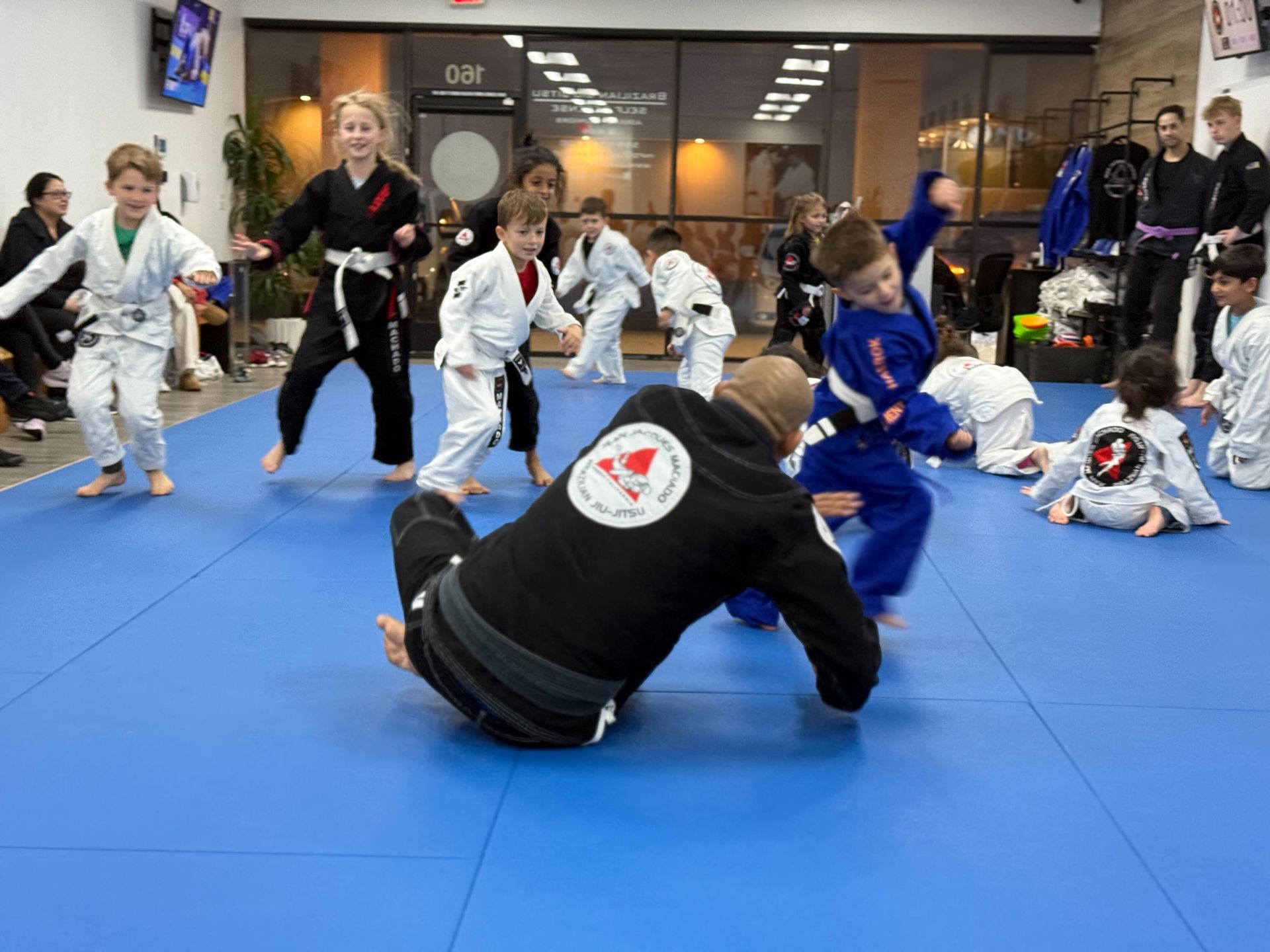
A well-structured class is one reason Youth martial arts creates leaders. Kids feel safe because they know what’s coming, and they learn to manage transitions, attention, and effort.
Most classes include:
- A warm-up that builds coordination and body control
- Technique instruction with clear coaching points
- Partner drills to build timing and confidence
- Supervised live practice with rules and safety standards
- A quick wrap-up that reinforces respect and progress
That routine is simple, but it’s powerful. Kids begin to take ownership of the process, and ownership is the foundation of leadership.
Leadership skills that show up outside the gym
If you’re wondering what changes you might notice at home or at school, look for the quiet signs. Leadership in kids often shows up as steadiness, not speeches.
Many parents tell us they notice improvements like:
- Better follow-through on chores and homework routines
- More comfort speaking to adults and teachers
- Stronger friendships and healthier conflict resolution
- More resilience after setbacks
- A calmer response to pressure
Those are life skills, and they’re the reason Youth martial arts in Fresno has become a go-to choice for families who want more than just exercise.
Take the Next Step
If you want a practical, structured way to help your child build discipline, confidence, and real leadership habits, our Youth martial arts program is designed for exactly that. We keep training safe, engaging, and focused on growth, so your child can develop skills that matter in school, at home, and in the Fresno community.
When you’re ready, we’d love to show you how our classes work in person, and how a consistent routine can create meaningful change. That’s what we do every day at Jean Jacques Machado Jiu-Jitsu Fresno, and it’s why families come to us for martial arts classes in Fresno CA that aim higher than just learning moves.
Step onto the mats with confidence and start learning Brazilian Jiu-Jitsu at Jean Jacques Machado Fresno.