
Real stress relief is trainable, and the right room, routine, and coaching can make calm feel like a skill you own.
Modern stress does not always look dramatic. In Fresno, it often shows up as tight shoulders at a desk, rushed commutes in the Valley heat, and a mind that keeps replaying tomorrow’s to do list long after you want to be asleep. We work with people who are doing fine on paper but still feel like their nervous system is stuck in high gear. That is where martial arts can become more than a workout.
Our goal is simple: help you build a repeatable practice for calm and focus through structured training. Martial arts training is uniquely effective because you cannot drift mentally and still succeed. You have to be present, breathe, and solve small problems in real time. Over time, that presence starts to follow you outside the mats, into work, family life, and the moments that usually trigger stress.
If you are exploring martial arts in Fresno because you want stress relief that actually sticks, we will walk you through how this kind of training changes your body and your mind, what a class feels like, and how to start in a way that fits real life.
Why martial arts work so well for stress relief
Stress management advice is everywhere, but a lot of it is passive. Martial arts are active. You are moving, thinking, adapting, and learning under just enough pressure to build confidence without feeling overwhelmed. Research from recent years points to several overlapping stress reducing mechanisms in martial arts training, including lower cortisol, endorphin release, mindfulness, emotional regulation, and social connection.
Your body gets a healthy stress reset
A well run class creates a clean arc: warm up, focused skill work, live practice, then a cooldown that lets your system settle. That arc matters. Physical exertion supports endorphin release, and consistent training is associated with healthier cortisol patterns. In plain terms, you feel lighter after class, and over weeks you often notice you recover from stressful moments faster.
We also see another practical effect: your sleep improves when your body gets the right kind of fatigue. Not exhaustion from overdoing it, but the satisfying tiredness that comes from coordinated movement and mental engagement.
Your mind has to stay in the present
One reason martial arts stand apart from typical gym routines is attention. When you are learning a technique, your brain is tracking timing, grips, posture, and distance. There is not much room left for doom scrolling in your head. That focus is a form of mindfulness, and it tends to show up naturally when training is structured and progressive.
In our classes, we cue breathing and calm decision making, especially during drills that require control. That is a big deal for stress relief because calm is not just a feeling. It is a practice you rehearse.
Emotional regulation becomes a trained skill
Recent studies between 2020 and 2025 highlight improvements in resilience, self esteem, and coping in martial arts practitioners, including measurable gains in control and challenge dimensions. We see that play out in everyday ways. You learn to notice when you are tense, adjust, and keep working. You learn to be uncomfortable without panicking. That translates to meetings, traffic, and difficult conversations.
What stress free training actually looks like in our classes
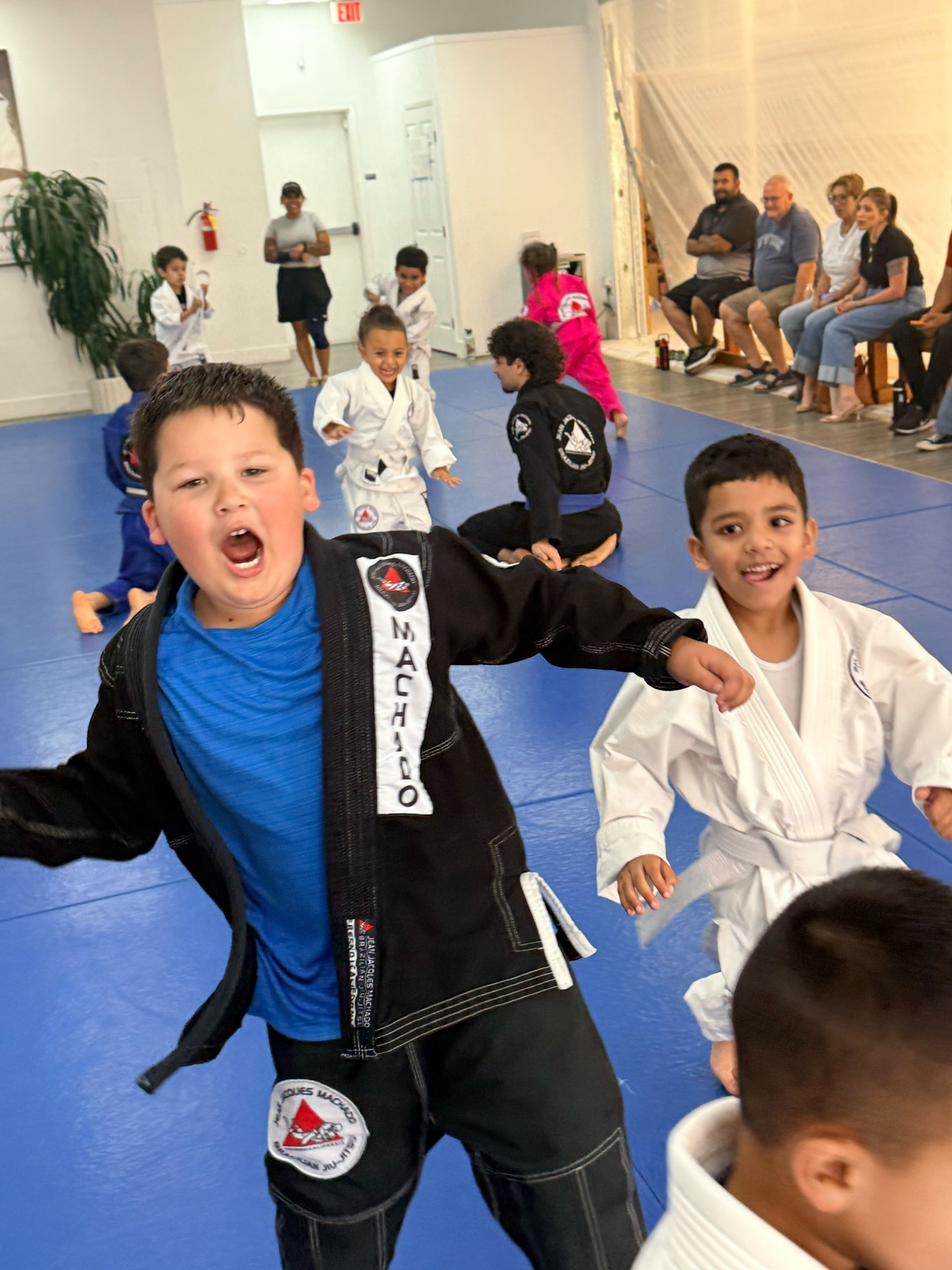
A common worry is that martial arts equals aggression. Our approach is the opposite. The goal is composure, technical precision, and safety. You do not need to come in “ready to fight.” You need to come in ready to learn.
A typical class flow
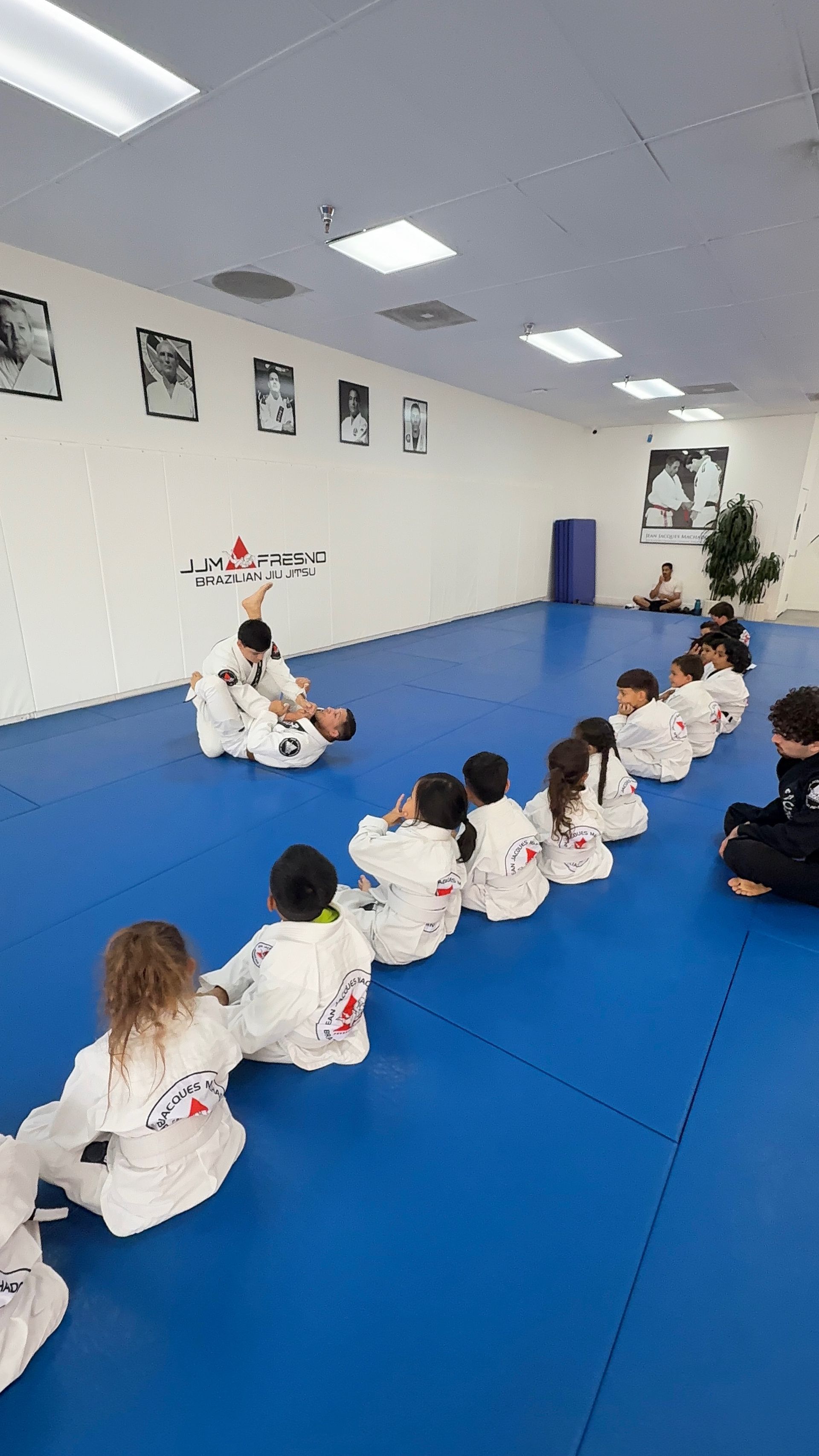
Most sessions follow a pattern that keeps you engaged and supported:
• Warm up that prepares joints, hips, and shoulders while raising your heart rate gradually
• Technique instruction where we break a movement down into clear steps, then rebuild it with timing and control
• Partner drilling where you repeat the skill enough times for it to feel real, not just theoretical
• Live training rounds that are scaled to your level so you can practice decision making under pressure
• Cooldown and reset so you leave feeling clear headed, not wired
That structure is part of why martial arts classes can reduce stress more reliably than random workouts. You get intensity, but you also get direction.
Why grappling is especially calming for many people
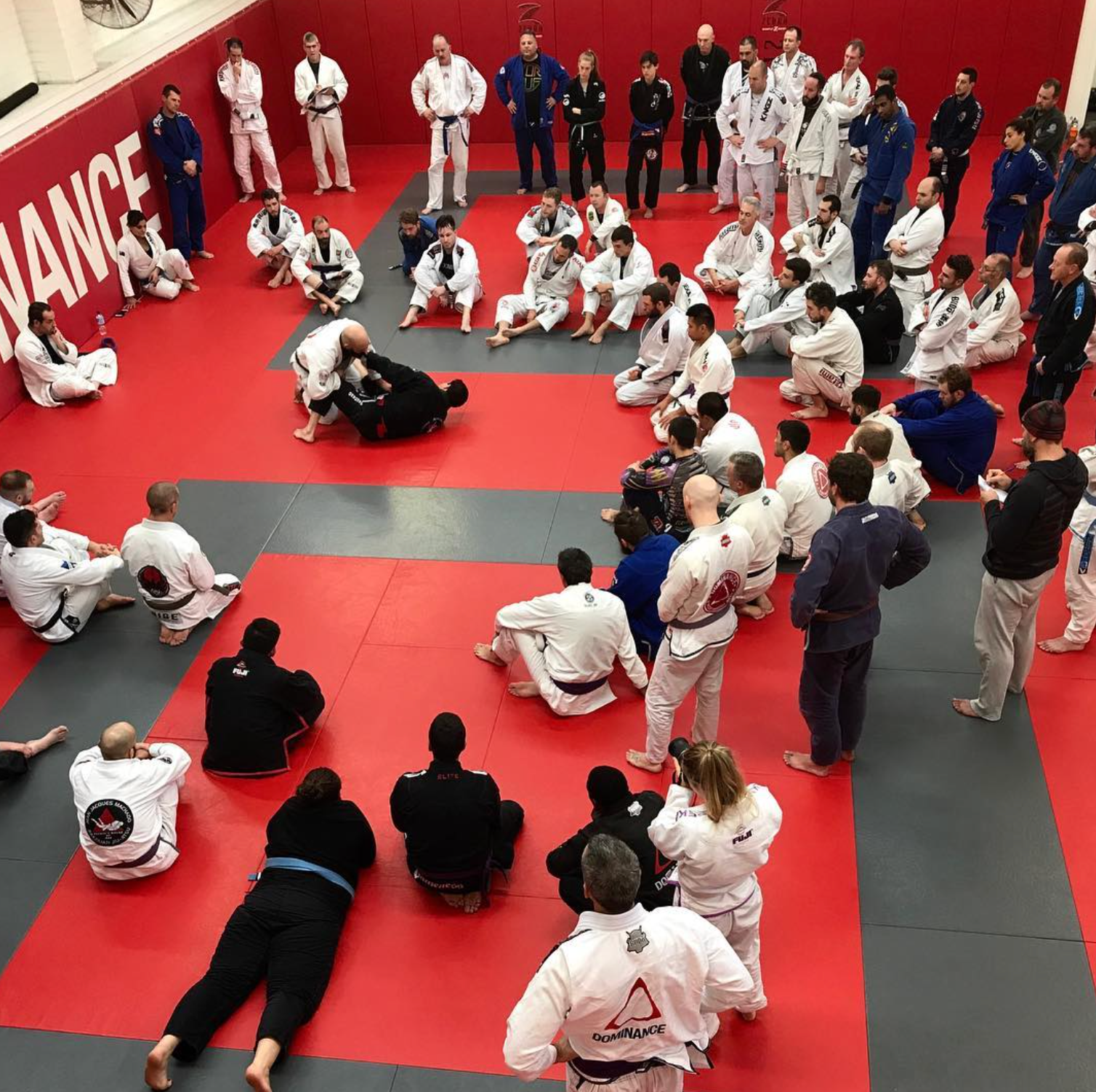
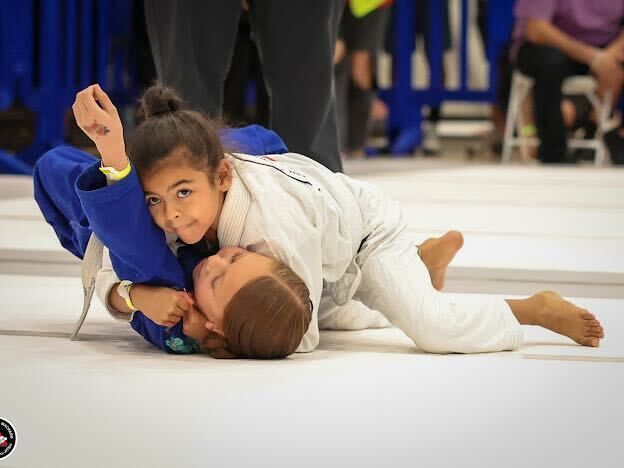
Ground based grappling has a unique mindfulness component. When you are connected to a training partner, small posture changes matter. You cannot muscle through everything. You have to relax, breathe, and use leverage. It is surprisingly meditative once you understand the basics, and it is also practical for building confidence.
We coach you to avoid the classic beginner trap of holding your breath. Breath control is one of the fastest ways to change your internal state, and in training you get immediate feedback. If you tense up, you fatigue quickly. If you breathe and stay technical, you last longer and think better.
Martial arts in Fresno: stressors we hear about and how training helps
Fresno has its own rhythm. We hear about long workdays, family responsibilities, and the mental grind of always being on call. We also hear about the seasonal heat that makes it harder to stay consistent with outdoor exercise. Training indoors on a set schedule can be a relief all by itself.
Desk job tension and screen fatigue
If you sit for work, you probably know the feeling: tight hips, stiff neck, and a restless mind. Martial arts training addresses this in a practical way. Movement patterns restore range of motion, and the demand for coordination pulls you out of the screen based trance. Over time, you start to carry yourself differently. Posture improves, breathing gets deeper, and your baseline tension drops.
Anxiety and overthinking
Training gives your mind a job. Instead of thinking about everything, you focus on one solvable problem at a time. That is why many students report feeling calmer even after challenging rounds. Your nervous system learns that pressure does not automatically equal danger.
There is also a confidence effect. When you know you can handle physical uncertainty with control, the everyday uncertainties feel smaller.
Social isolation and the need for real community
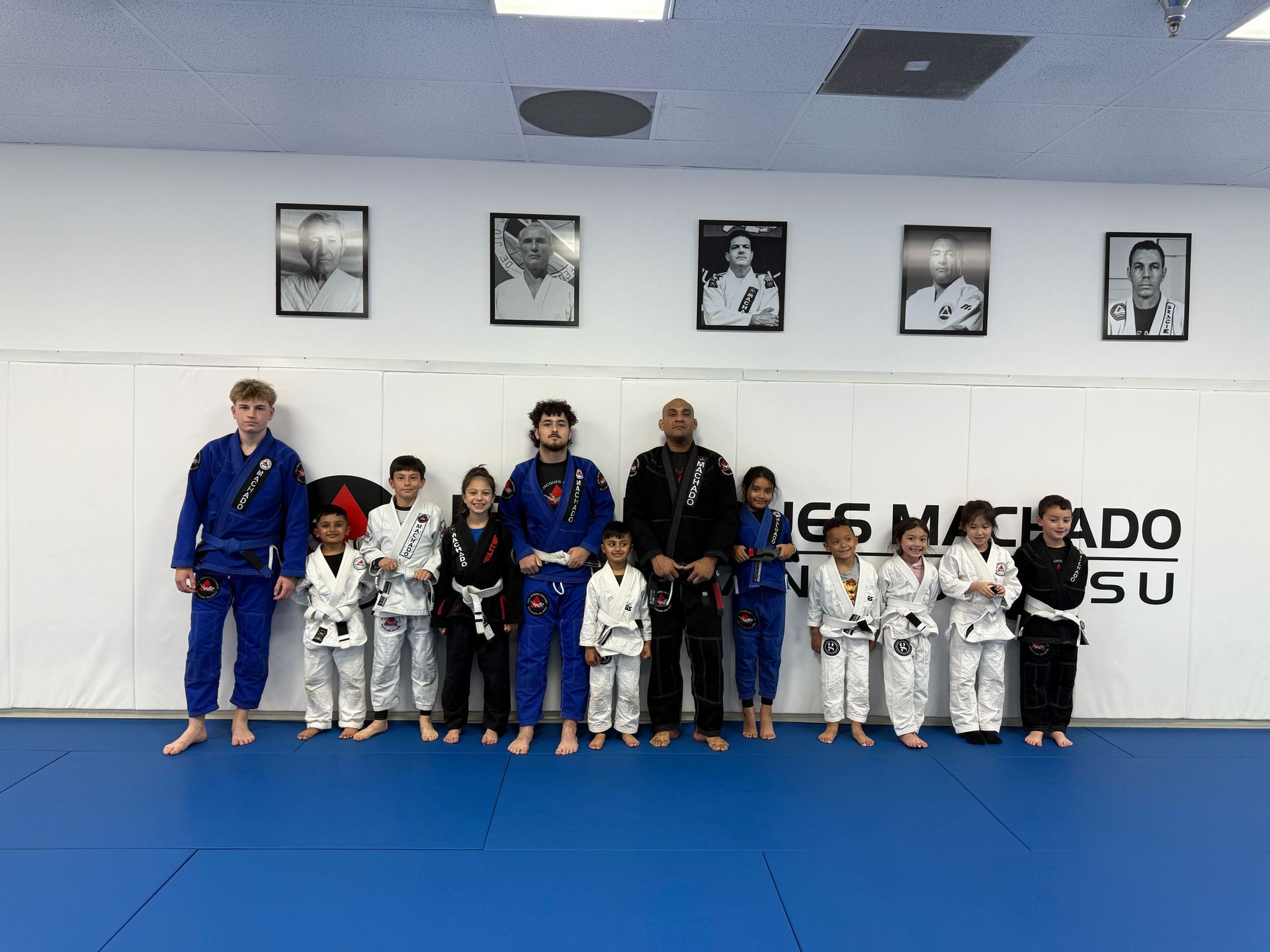
Stress gets worse when you feel alone with it. Martial arts training is social in a quiet, grounded way. You work with partners, learn names, and share progress over time. You do not have to be extroverted. You just have to show up. Those consistent connections can be a strong buffer against stress and isolation.
A realistic timeline: when you might notice changes
Stress relief is not only about one good class, though you will usually feel better after your first session. The deeper benefits build with repetition.
Here is a simple timeline we often see when you train consistently:
1. Weeks 1 to 2: you feel immediate mood lift after class, and your sleep often improves
2. Weeks 3 to 6: you start recognizing tension patterns sooner, and your breathing becomes more automatic
3. Months 2 to 3: resilience improves, meaning stressful moments feel less personal and less sticky
4. Month 3 and beyond: calm becomes part of your identity, not just a temporary post workout feeling
Many people do best with 2 to 3 sessions per week for stress reduction, because it is frequent enough to reinforce the habit without turning training into another source of pressure.
Martial arts classes in Fresno CA: how we keep beginners safe and confident
If you are new, it is normal to feel unsure. You might wonder if you are “in shape enough,” coordinated enough, or too old to start. We plan for beginners from the start. Our coaching is step by step, our class culture is respectful, and we scale intensity so you can learn without getting overwhelmed.
What you do not need to start
You do not need a background in sports. You do not need to be flexible. You do not need to already know anything about martial arts. If you can show up, listen, and try, we can teach you.
What you should bring
Bring comfortable training clothes, a water bottle, and a willingness to ask questions. The first few classes are about learning the room and the fundamentals. You will make small mistakes, and that is fine. Learning to stay relaxed while you improve is part of the stress relief benefit.
Who should be cautious
Most people can train safely, but if you have a significant injury history or medical concerns, check with your doctor first. We can also help you modify training so you protect joints and progress steadily. Safe training is sustainable training, and sustainability is what reduces stress long term.
Small habits that amplify the calm you get from training
Martial arts classes do a lot, but your daily habits can stretch the benefits further. We like simple tools that do not feel like homework.
• Take one slow nasal breath before you step on the mat and one after you step off, just to mark a transition
• Track mood before and after class for two weeks so you can see the change clearly
• Drink water and eat something sensible after training so recovery is smooth
• Keep your training days on your calendar like an appointment you respect
• On non training days, do five minutes of easy mobility for hips and shoulders
These are small, but they add up. Stress relief is often about consistency, not intensity.
How to choose a training rhythm that supports your life
The best schedule is one you can repeat. We recommend starting with two days per week if you are busy or returning to fitness. If you already exercise regularly, three days per week is a strong sweet spot. More is not always better for stress, especially early on. You want training to feel like a reset, not another obligation.
Pay attention to how you feel after class. You should feel worked, clearer, and more grounded. If you feel constantly sore or mentally fried, we adjust intensity and recovery. Our job is to help you train for the long run.
Ready to Begin
Building a calmer life is not only about avoiding stressors. It is also about practicing skills that change how you respond when stress shows up anyway. That is exactly what we train for, using martial arts as a structured path to better breathing, sharper focus, and real resilience.
When you are ready to experience that approach in person, we would love to welcome you at Jean Jacques Machado Jiu-Jitsu Fresno, where our classes are designed to be challenging in a healthy way and supportive from day one.
No background is required to begin. Join a martial arts class at Jean Jacques Machado Jiu-Jitsu Fresno today.