
The fastest way to feel more athletic in daily life is to train movement on purpose, and that is exactly what we build in every class.
Martial arts has a reputation for toughness, but the real secret is how much better your body starts to move when you train consistently. When you learn to base, shift your weight, breathe under pressure, and stand back up safely, you are not just “getting in shape” in a vague way. You are building mobility, balance, and agility you can actually use.
In Fresno, we see the same pattern again and again: people want training that improves fitness without beating up their joints, helps them feel more coordinated, and gives them real self-defense skills. Our approach is built around those goals, with a structure that supports beginners and still keeps experienced students progressing.
One reason interest keeps rising is that martial arts is no longer a niche hobby. Millions of Americans train each year, and the U.S. industry has grown into a multibillion-dollar space with tens of thousands of schools nationwide. That growth matters because it reflects something practical: people stick with training when it improves how they feel week to week, not just how they look.
Why mobility, balance, and agility matter more than you think
Mobility is not just flexibility. It is controlled range of motion, the ability to move without pinching, and the strength to own the positions your body gets into. Balance is not standing on one foot for a photo. It is keeping your center stable when you get bumped, when you pivot, or when you have to change directions quickly. Agility is the bridge between them, the ability to transition smoothly from one movement to the next.
In real life, these qualities show up everywhere:
- stepping off a curb while carrying groceries
- catching yourself when you trip
- keeping your posture on long workdays
- moving confidently on hikes, runs, or pickup sports
Martial arts training gives you a repeatable way to develop these skills because you practice movement with feedback. You are not guessing. You feel what works and what does not, and you improve through small, consistent corrections.
Why Brazilian Jiu-Jitsu is a smart path for all-around movement
Brazilian Jiu-Jitsu, or BJJ, has surged in popularity across the country, and for good reason. It is a grappling art that teaches you to control distance, posture, and leverage. That means you learn to move your body efficiently, often with less impact than striking-heavy training.
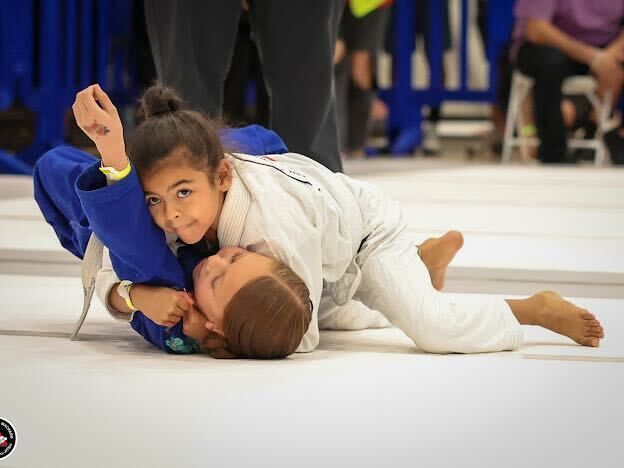
In our classes, mobility shows up in how we warm up and how we train transitions. Balance shows up in base and posture, especially when you are learning to keep your hips under you and your spine aligned. Agility shows up in scrambles, escapes, and resets, where you have to react, re-center, and move again. You build athleticism, but you also build calm problem-solving. That combination is hard to beat.
How our training builds mobility without forcing it
A common mistake beginners make is trying to stretch their way into mobility. Stretching helps, but mobility is more like usable movement plus stability. We focus on joint-friendly progressions that teach you to move well first, then move farther.
We typically emphasize:
- hip mobility for safer squats, bridges, and guard movement
- thoracic rotation so your upper body can turn without yanking your lower back
- ankle and knee alignment to support stable steps and pivots
- shoulder control to reduce tension when framing, posting, and gripping
Over time, students often notice small changes that feel surprisingly big: getting off the floor more easily, less stiffness after sitting, and better posture when tired. Those are the kinds of wins that keep you coming back, even on busy weeks.
Balance is a skill, and we train it directly
Balance improves when you train base and weight transfer under realistic conditions. Grappling makes this obvious right away. If your stance is too narrow, you get tipped. If your posture collapses, you lose leverage. If you lean while stepping, you get off-centered. None of that is personal, it is just physics, and physics is a helpful teacher.
We build balance through fundamentals like:
- standing base and level changes
- controlled kneeling and rising mechanics
- stable hip movement during guard work
- partner drills that teach you to resist and redirect force safely
This is also where martial arts becomes valuable for injury prevention. When you know how to distribute weight and keep alignment under pressure, you are less likely to twist awkwardly during everyday movement.
Agility comes from transitions, not speed
Agility is not just moving fast. It is moving efficiently, stopping when you need to, and changing direction without panicking. In BJJ, you practice transitions constantly: shrimping to recover guard, switching hips to make space, turning corners in passes, and standing up with control.
We coach agility with a simple idea: smooth is fast later. When you move with less wasted motion, you conserve energy and stay safer. That matters whether your goal is self-defense, fitness, or simply feeling more athletic.
What you can expect in our martial arts classes in Fresno CA
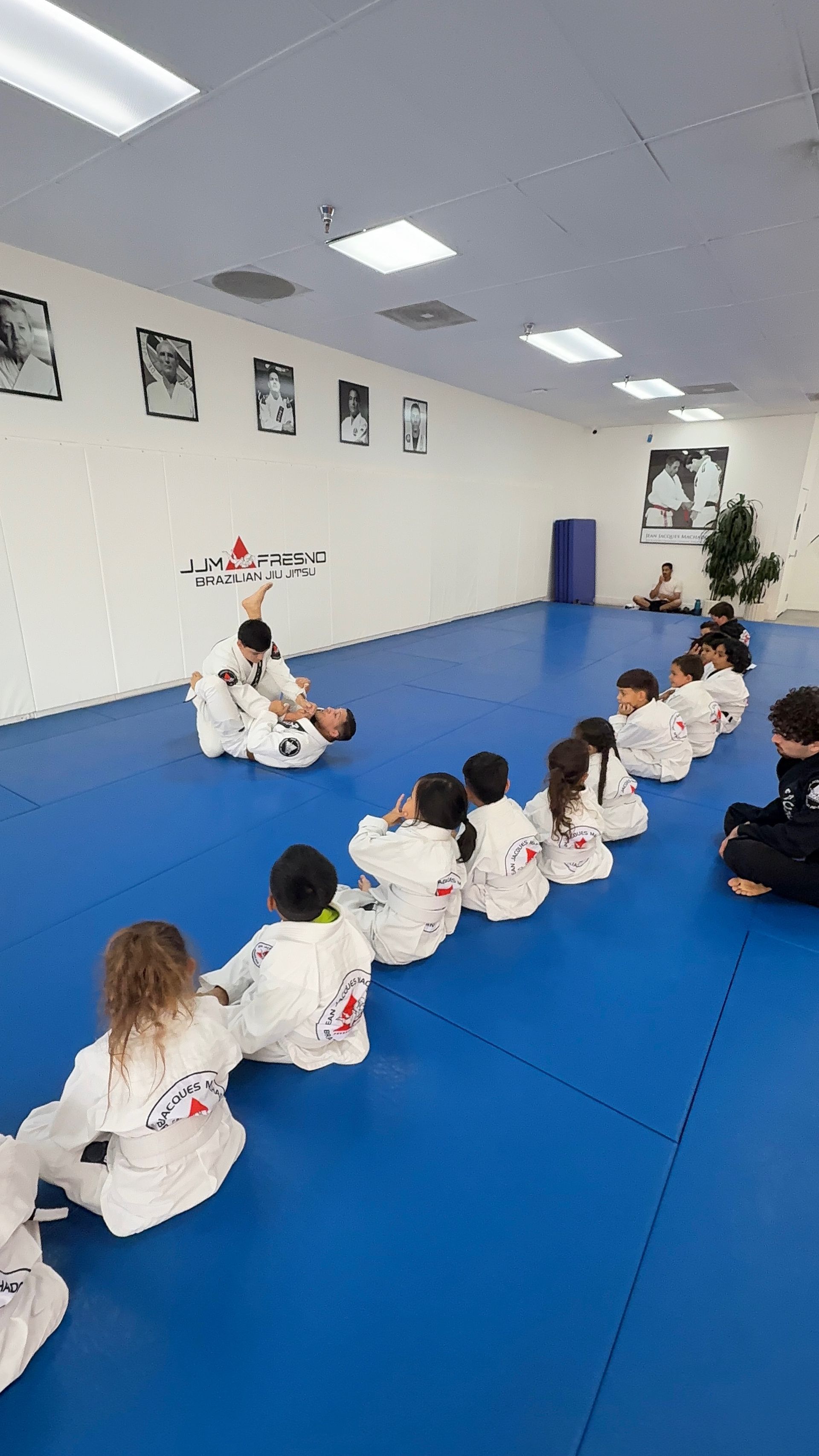
If you are new, the first few weeks should feel structured, not chaotic. We keep classes organized so you know what you are working on and why. You will learn how to warm up in ways that support the techniques, how to drill with a partner respectfully, and how to build intensity gradually.
Here is what a typical class experience includes:
- a warm-up focused on movement patterns you will use during technique
- skill instruction with clear details and common mistakes to avoid
- partner drilling to build timing and confidence
- optional live rounds scaled to your comfort level
- a short cool-down and quick next-step guidance for your week
When people search for martial arts in Fresno, they often worry they will be “behind.” We plan for that. Our classes are designed so beginners can participate right away, and more experienced students still get meaningful reps and sharper details.
Programs for kids, teens, and adults, with real-life payoffs
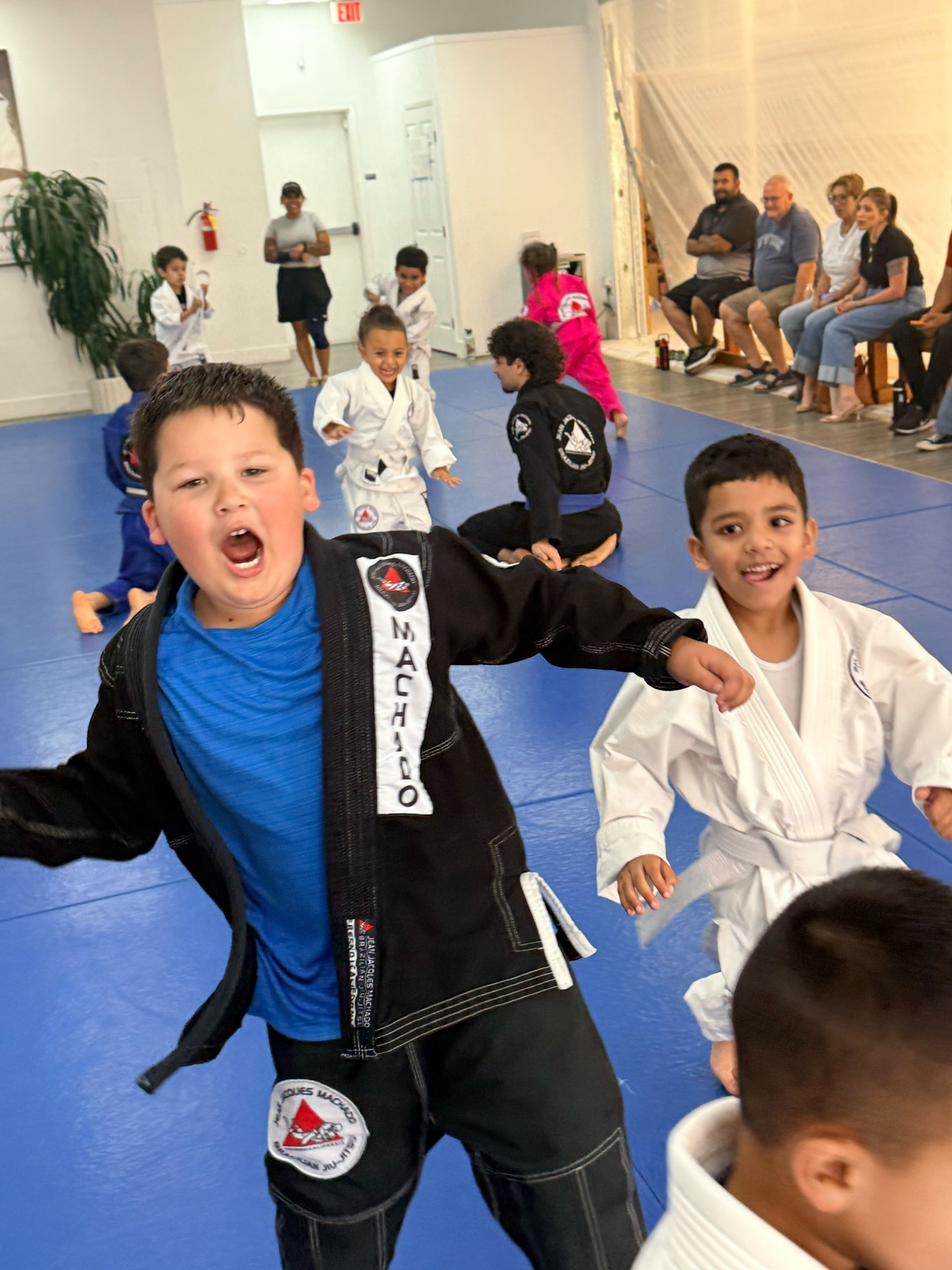
Nationally, youth ages 7 to 12 make up a major portion of martial arts enrollments, and we understand why. Kids benefit from movement training that feels like play but builds coordination, listening skills, and self-control. Teens often need a positive challenge and a place where progress is earned, not handed out. Adults usually want stress relief, fitness, and a skill set that makes them feel capable.
Our training environment supports:
- kids learning balance, coordination, and respectful partner work
- teens building confidence through measurable skill progress
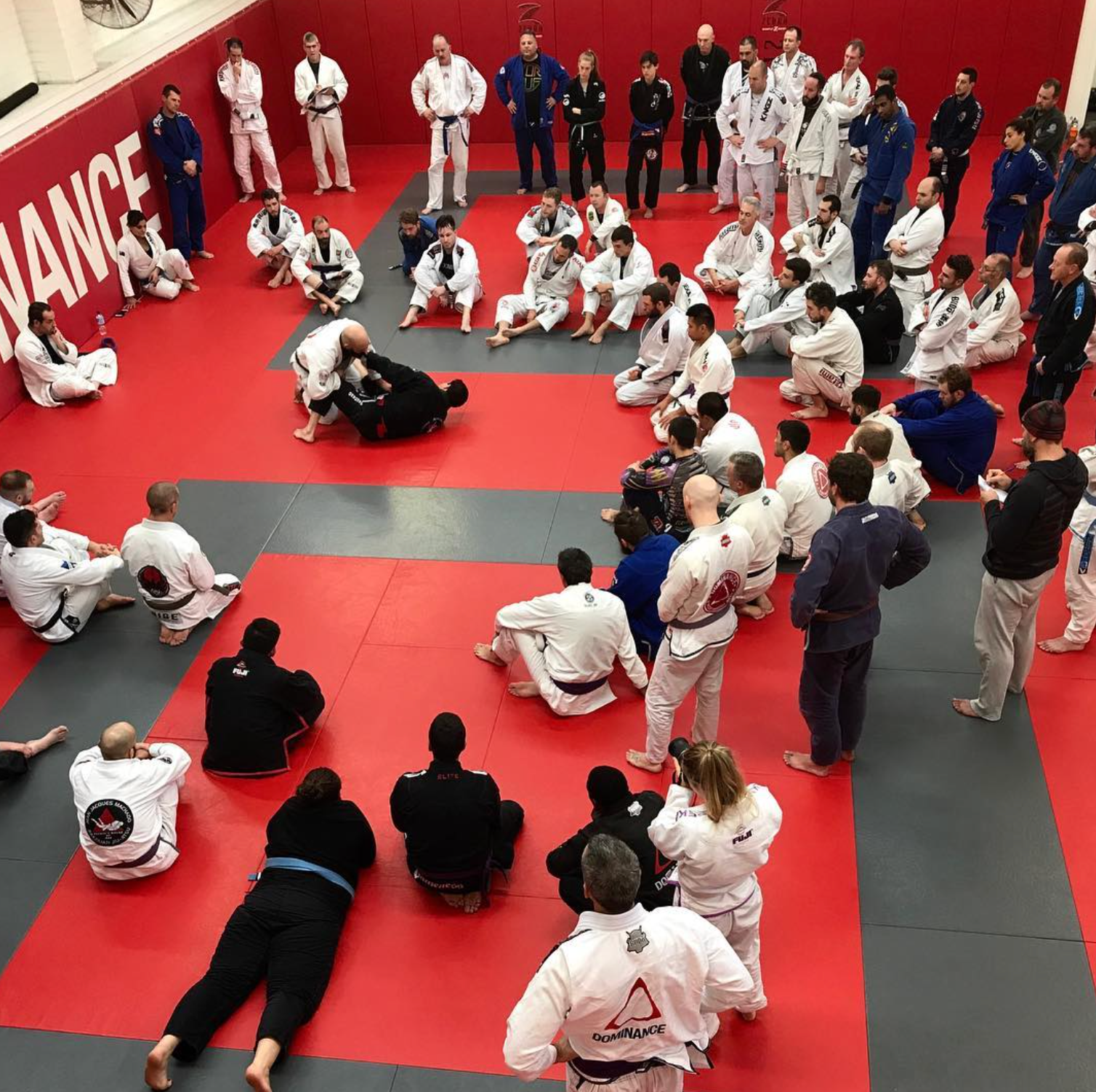
- adults improving mobility and functional strength without high impact
- women who want practical self-defense and a supportive training room
- older adults who want better stability, safer movement, and steady fitness
We keep the focus on growth and consistency. Competition can be part of the journey for some students, but it is not required to get great results.
Why the “how” matters: coaching details that protect your body
In martial arts, the difference between feeling great after class and feeling wrecked often comes down to coaching details. We cue posture, breathing, and pacing so you can train hard without training reckless. We also encourage smart communication with your partner. If something hurts, you adjust. That is not weakness, that is longevity.
You will hear us talk about:
- tapping early and often while learning, so your joints stay happy
- using frames and angles instead of muscling through positions
- controlling intensity based on your goals for the day
- recovering with better sleep, hydration, and light mobility work
Those habits add up. Over months, students often find that their bodies feel more capable outside the gym, not just inside it.
How to start, even if you feel out of shape or stiff
Plenty of people begin while feeling stiff, heavy, or unsure. That is normal. The key is starting with a plan you can repeat. We recommend showing up consistently, keeping your ego quiet, and letting your technique build your conditioning over time.
A simple way to begin is:
1. Pick two class days you can realistically make each week.
2. Focus on learning positions and escapes before worrying about “winning.”
3. Track one mobility goal, one balance goal, and one technique goal monthly.
4. Ask us what to practice at home for five minutes, not fifty.
5. Stay patient through the awkward phase, because it passes.
That is how students build a base. And once you have a base, agility comes naturally.
Martial arts as stress relief and mental clarity
One trend we see across the country is the shift toward holistic wellness. People want training that supports mental health, not just physical output. Grappling helps because it demands attention. When you are drilling or sparring, your mind stops bouncing between notifications and worries. You have a job to do in the moment: breathe, frame, move, recover.
Many students describe leaving class feeling pleasantly tired and mentally quieter. It is not magic. It is just focused practice in a supportive room, and that can be a rare thing in modern life.
Take the Next Step
If you want martial arts that develops mobility, balance, and agility in a way that carries into your everyday life, our coaching and class structure are built for that. We keep training practical, progressive, and welcoming, so you can start where you are and still feel real momentum.
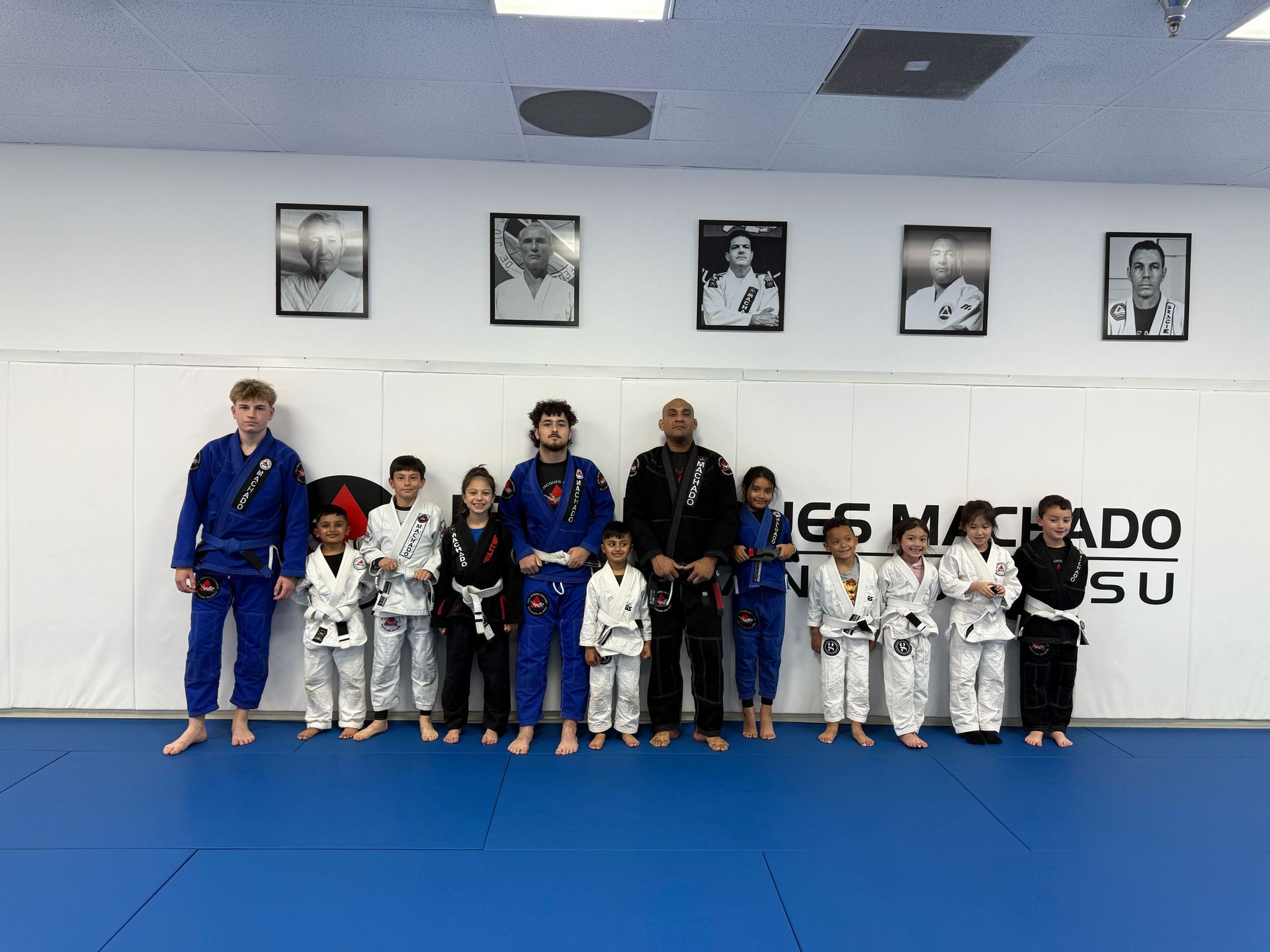
When you are ready, Jean Jacques Machado Jiu-Jitsu Fresno is here in Fresno with programs that support beginners, families, and experienced students alike, and we would love to help you build movement skills you can actually rely on.
Ready to begin your training journey? Join a Brazilian Jiu-Jitsu class at Jean Jacques Machado Fresno today.