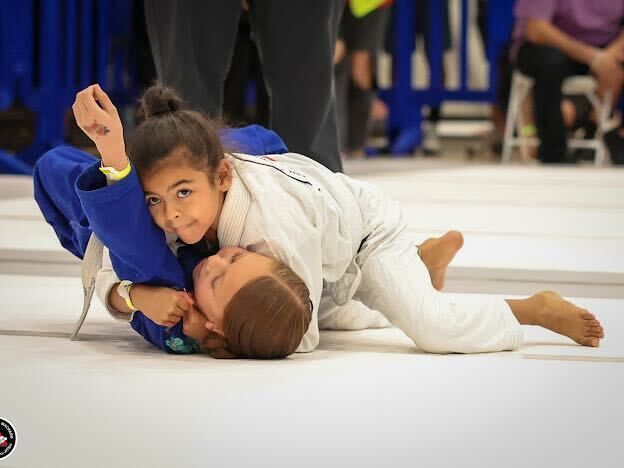
Real confidence is built in small, repeatable moments and our training gives you plenty of them.
Confidence in martial arts rarely shows up as one dramatic breakthrough. It usually arrives quietly: you remember a detail from last week, you breathe through a tough round, you stand a little taller when you leave class. In Fresno, where busy schedules and real-world stress are part of daily life, that kind of practical, steady confidence matters.
We built our programs around a simple idea: you should feel progress you can measure. That is why structured training, clear coaching, and a system of milestones can change how you carry yourself in a surprisingly short time. And yes, you can start as a complete beginner. Most people do.
Why martial arts builds confidence faster than you expect
Martial arts training works because it turns confidence into a skill, not a personality trait. When you practice consistently, your brain learns a new default response to pressure: posture first, breathe, solve the problem in front of you. That carries into work meetings, school, and even the way you talk to strangers at the grocery store.
A big part of this is structure. Belt systems and clearly defined fundamentals give you a path. You do not have to guess what “better” looks like. You can point to it: cleaner technique, improved timing, fewer pauses, more control. Those small wins stack up.
Research backs this up, too. A 2022 study reported that 87% of parents noticed increased confidence in children after six months of training, with progress markers and recognition playing a major role. Adults often report the same shift, even if it shows up differently: more calm under stress, stronger boundaries, and a willingness to try hard things without overthinking.
Fresno realities: why confidence training feels especially relevant here
Fresno has a little bit of everything: families balancing school and sports, adults commuting and managing long workdays, and plenty of people who want to feel safer in everyday spaces. When you combine that with a growing interest in group-based wellness after the pandemic, martial arts in Fresno has become a practical answer to a real need: connection, fitness, and self-defense skills in one place.
We also see something uniquely Central Valley in our students: resilience. People here understand hard work. That mindset pairs well with jiu-jitsu because improvement is earned through repetition. You do the reps, you learn the angles, you keep showing up, and your confidence grows like a muscle.
The foundation: posture, breathing, and presence
Before you worry about advanced techniques, start with what you can control immediately: how you stand, how you breathe, and where your attention goes.
Good posture is not just for appearances. It changes mechanics, balance, and even decision-making. When you stand tall with relaxed shoulders and steady eye contact, you send your body a message that you can handle what is happening. We coach posture constantly because it affects everything from takedown defense to escaping pins.
Breathing is the other fast win. Many beginners hold their breath when they feel pressure. We train you to notice that, reset, and keep thinking. It sounds basic, but it is one of the biggest separators between “I panic” and “I problem-solve.”
Presence is the glue. In class, presence means staying engaged even when you are tired or confused. Off the mat, presence looks like walking into a room without shrinking.
Use micro-goals to make confidence inevitable
Big goals are motivating, but micro-goals build momentum. In our classes, we encourage you to focus on what you can improve in the next week, not just the next year. That keeps training from feeling overwhelming.
Here are micro-goals that work especially well for beginners and returning students:
• Show up two to three times per week for a full month, even if you feel “out of shape” at first
• Learn one escape and hit it successfully in light sparring at least once per class
• Ask one question each session, even if it feels a little awkward
• Track one measurable fitness marker, like a longer plank or smoother hip movement
• Aim for your first stripe or early promotion by consistently drilling the basics well
These goals are small on purpose. Each one creates a proof point: you did the work, you improved, and you can do it again.
Confidence skill number one: learn to be comfortable under pressure
If you want real confidence, you have to practice pressure in a safe environment. That is where sparring, done the right way, becomes incredibly valuable.
In controlled sparring, you learn what it feels like when someone is resisting you. You also learn that you can stay calm anyway. We scale intensity to your level, and we keep the focus on learning, not winning. You will tap. Everyone does. And the surprising part is that tapping, safely and early, often helps people build confidence because it replaces fear with clarity: you know what happened and you know how to improve it.
In Brazilian Jiu-Jitsu, pressure is not just physical. It is decision pressure. Someone is trying to control you, you are running out of space, and you still have to think. That mental toughness translates quickly to everyday stress.
BJJ-specific confidence builders you can feel on day one
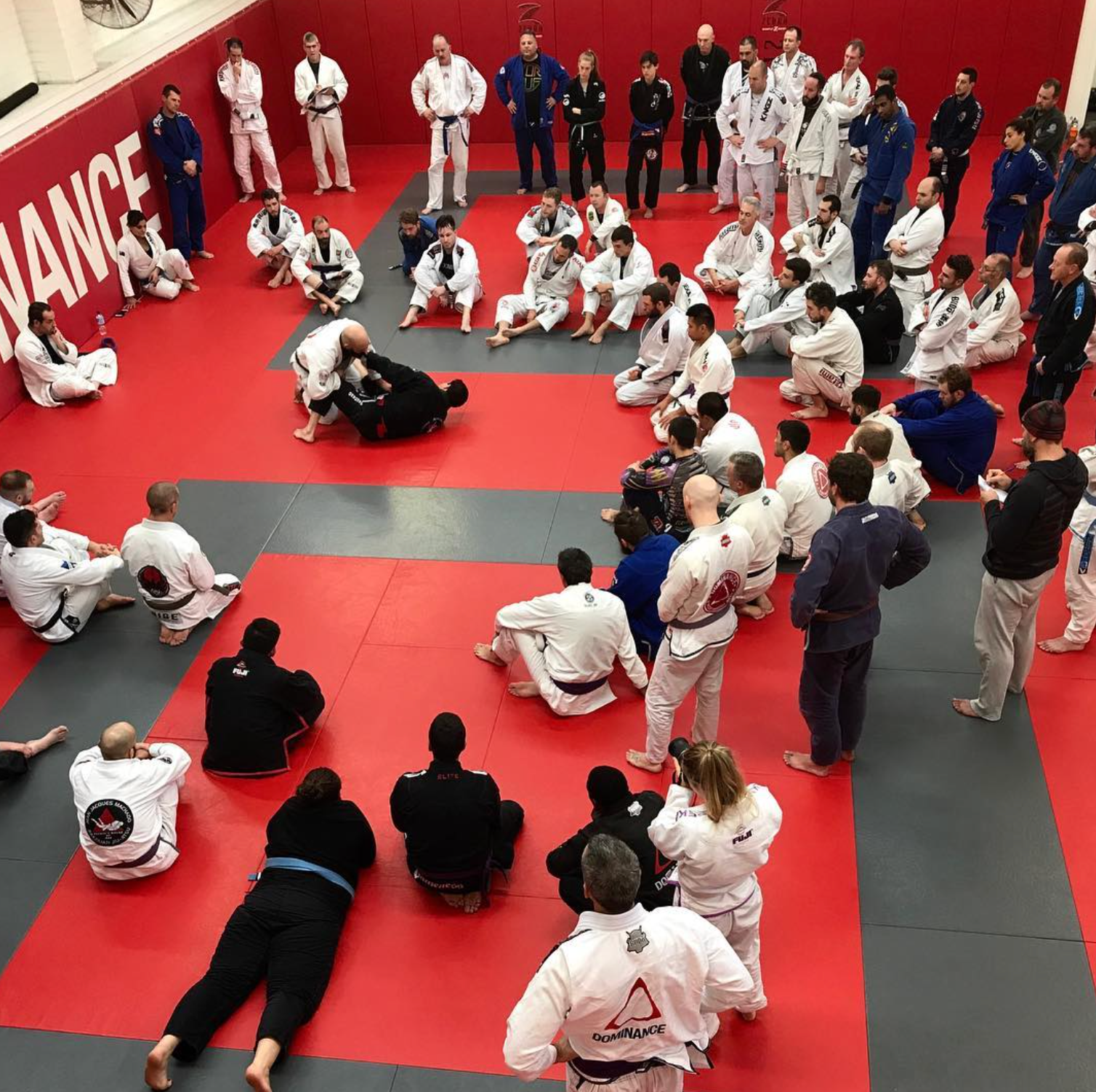
Not all martial arts build confidence in the same way. Jiu-jitsu is unique because technique can overcome size and strength when the fundamentals are trained properly. That changes how you see yourself.
We see confidence grow fast when students start to understand a few BJJ anchors:
Guard work teaches problem-solving
Playing guard is like learning to solve a puzzle while someone is trying to rush you. You learn frames, angles, grips, and timing. Even if you are on your back, you are not “losing.” You are working.
Escapes teach composure
Escapes are confidence in its purest form. When you learn to get out of bad positions, you stop feeling helpless. Side control and mount become situations you can manage, not panic triggers.
Guard passing builds assertiveness
Passing requires commitment. You choose a direction, you control distance, and you move with purpose. That assertiveness shows up off the mat, too.
Submissions teach responsibility
Learning submissions is not about aggression. It is about control and safety. You learn precision, restraint, and how to protect your training partners while still being effective.
Turn visualization into a practical tool, not a gimmick
Visualization works best when it is specific. Instead of imagining yourself “winning,” picture one sequence you are learning and walk through it slowly in your head. Do it on the drive to class or right before you step on the mat.
Try this simple routine:
1. Picture the starting position clearly
2. Name the grips or frames you need
3. Visualize one common problem, like your partner turning in
4. Picture your adjustment, then finish the movement smoothly
This lowers anxiety because your brain recognizes the situation sooner when it happens live. You feel less surprised, and surprise is a big confidence killer.
Build confidence through discipline, not intensity
A lot of people assume confidence comes from going hard all the time. In reality, consistency beats intensity. The students who grow fastest usually follow a steady rhythm: show up, drill carefully, spar with intention, take notes mentally, repeat.
Endurance drills help, too, but not as punishment. We use conditioning to build mental toughness, the ability to stay focused when your body is tired. If you like challenges, structured goals like a 30-day consistency streak or a daily push-up target can be motivating. The key is keeping it sustainable so you do not disappear after two weeks.
Kids and teens: confidence that shows up at school
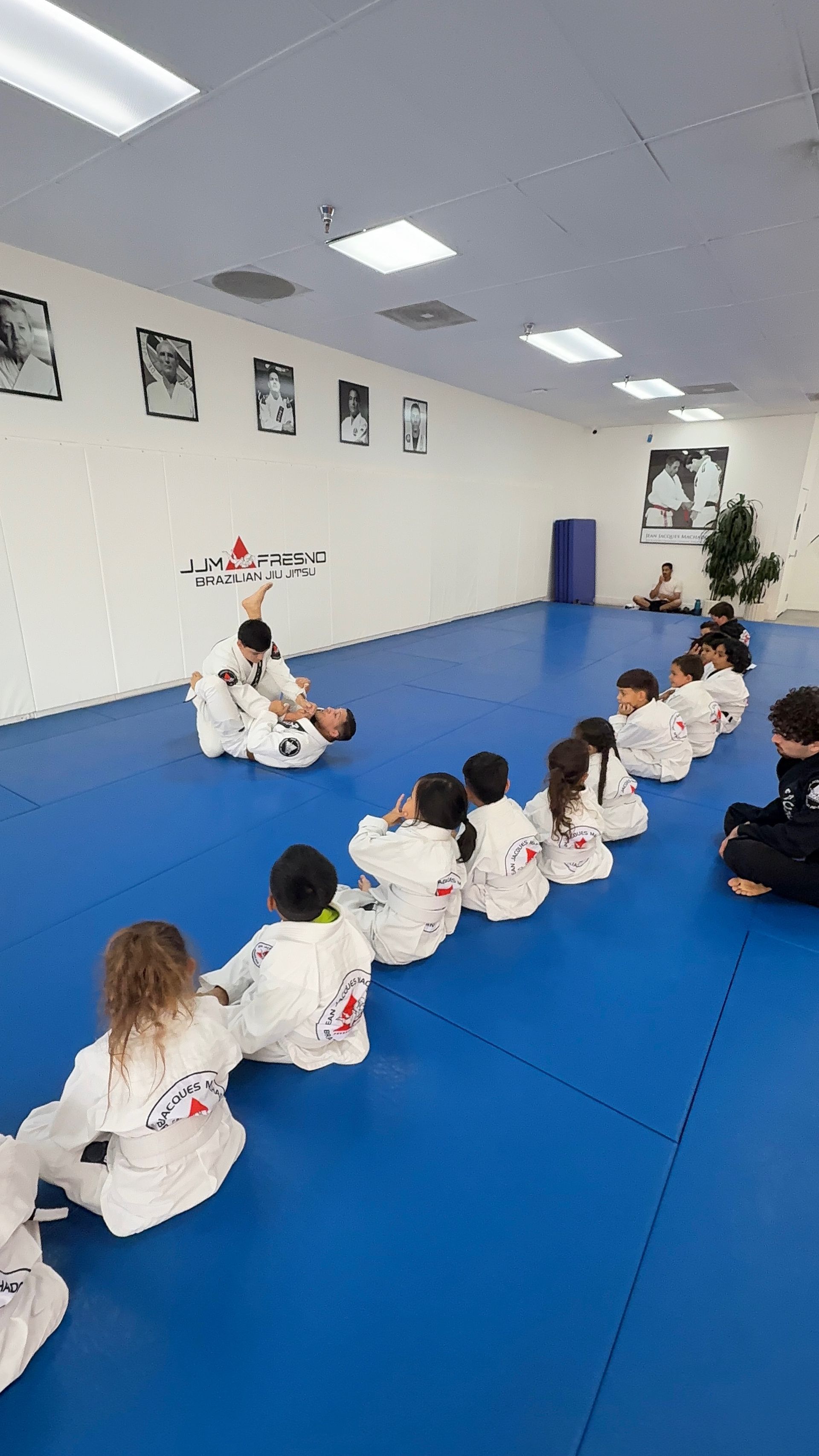
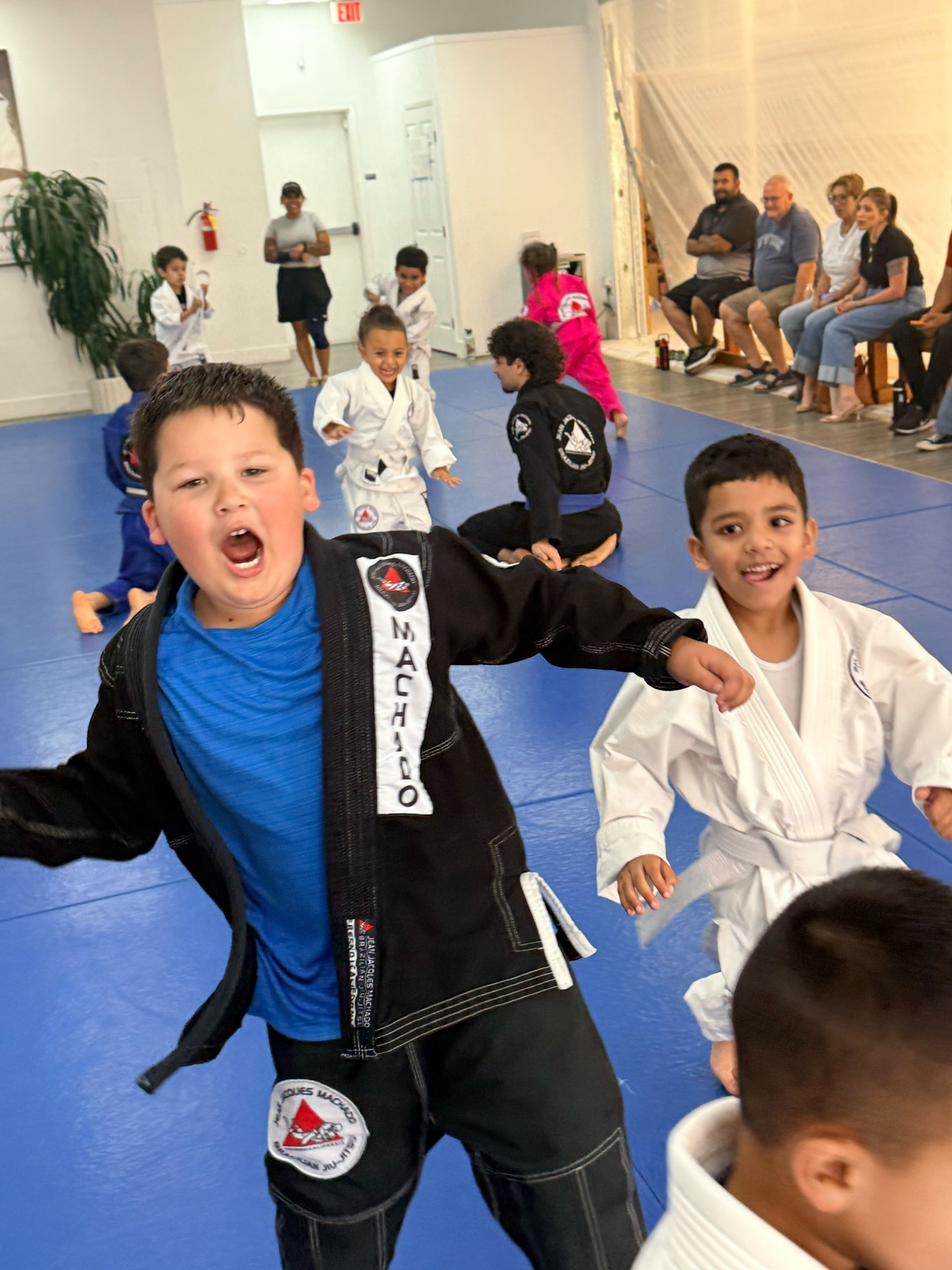
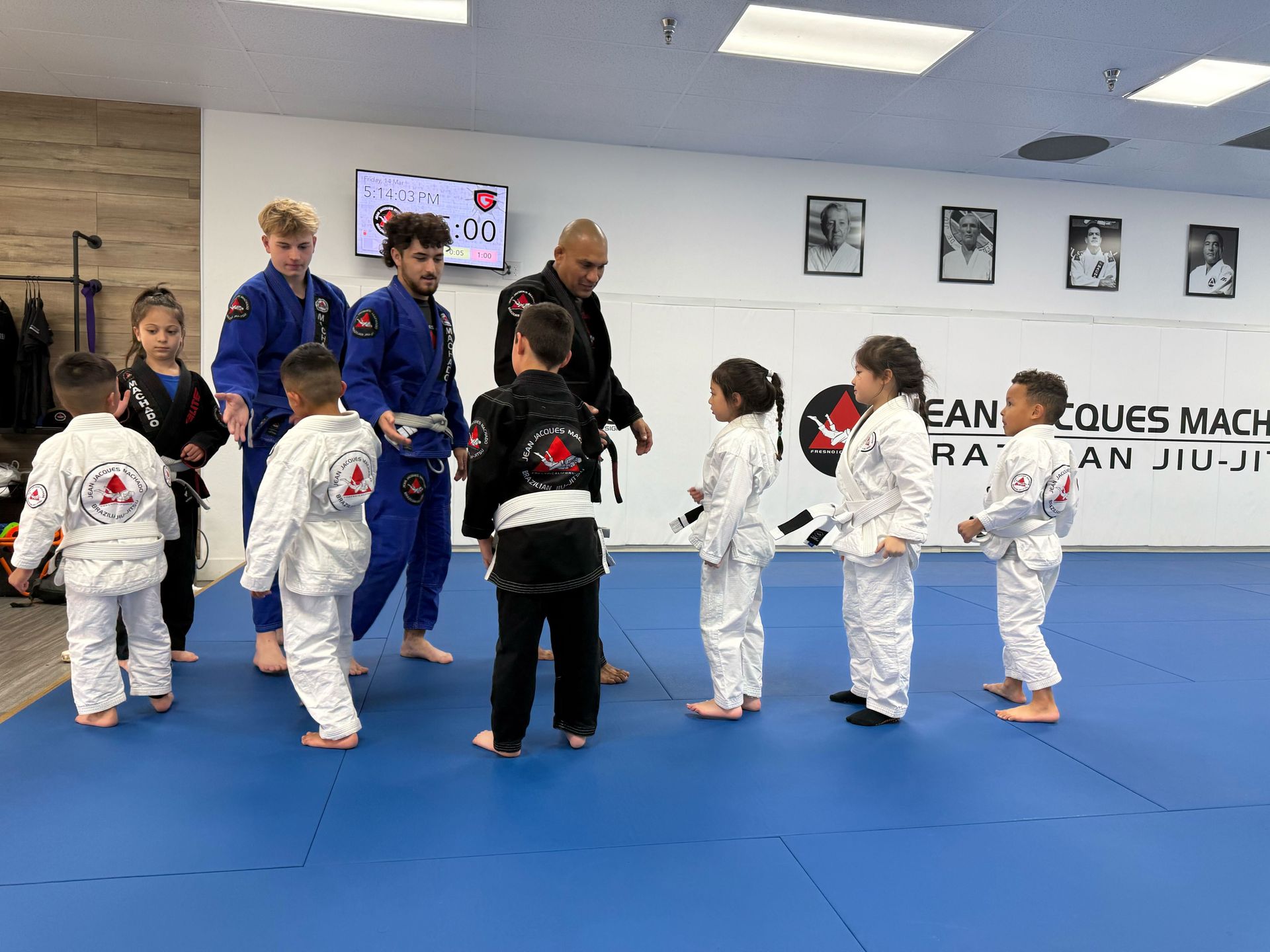
Our youth programs focus on more than techniques. We coach listening skills, respectful communication, and the ability to stay composed when emotions run high. Kids learn that confidence is earned through effort, not given through praise alone.
Parents often tell us they notice changes that are easy to spot:
- Better posture and clearer eye contact
- Improved focus on homework and instructions
- More willingness to speak up and ask for help
- Stronger boundaries with peers and bullying situations
- Pride in progress through stripes, belts, and consistent training
That aligns with the broader research: structured progress and recognition are powerful confidence builders for kids and teens.
Adults who feel “behind” can start anyway
If you are an adult who has not trained before, it is normal to worry about fitness, flexibility, or looking uncoordinated. We keep the learning curve manageable by teaching fundamentals first and building complexity over time.
You do not need to be in shape to start martial arts. Training is what gets you in shape. We will coach you on pacing, safe movement, and how to get the most from class without burning out. Your job is to show up and stay curious.
What to expect in your first class
A good first class should feel welcoming, structured, and clear. We keep beginners moving without throwing you into chaos. Expect a warm-up that builds basic movement skills, technique instruction with repetition, and optional controlled sparring depending on your comfort level.
Most importantly, expect coaching. We correct details because details create results. When you leave, you should know what you worked on and what to focus on next time. That clarity is confidence fuel.
Take the Next Step
If you want martial arts training that builds real confidence, our approach is simple: train smart, measure progress, and keep the environment supportive and safe. We designed our classes to help you gain practical self-defense skills, better fitness, and a calm mindset you can rely on when life gets loud.
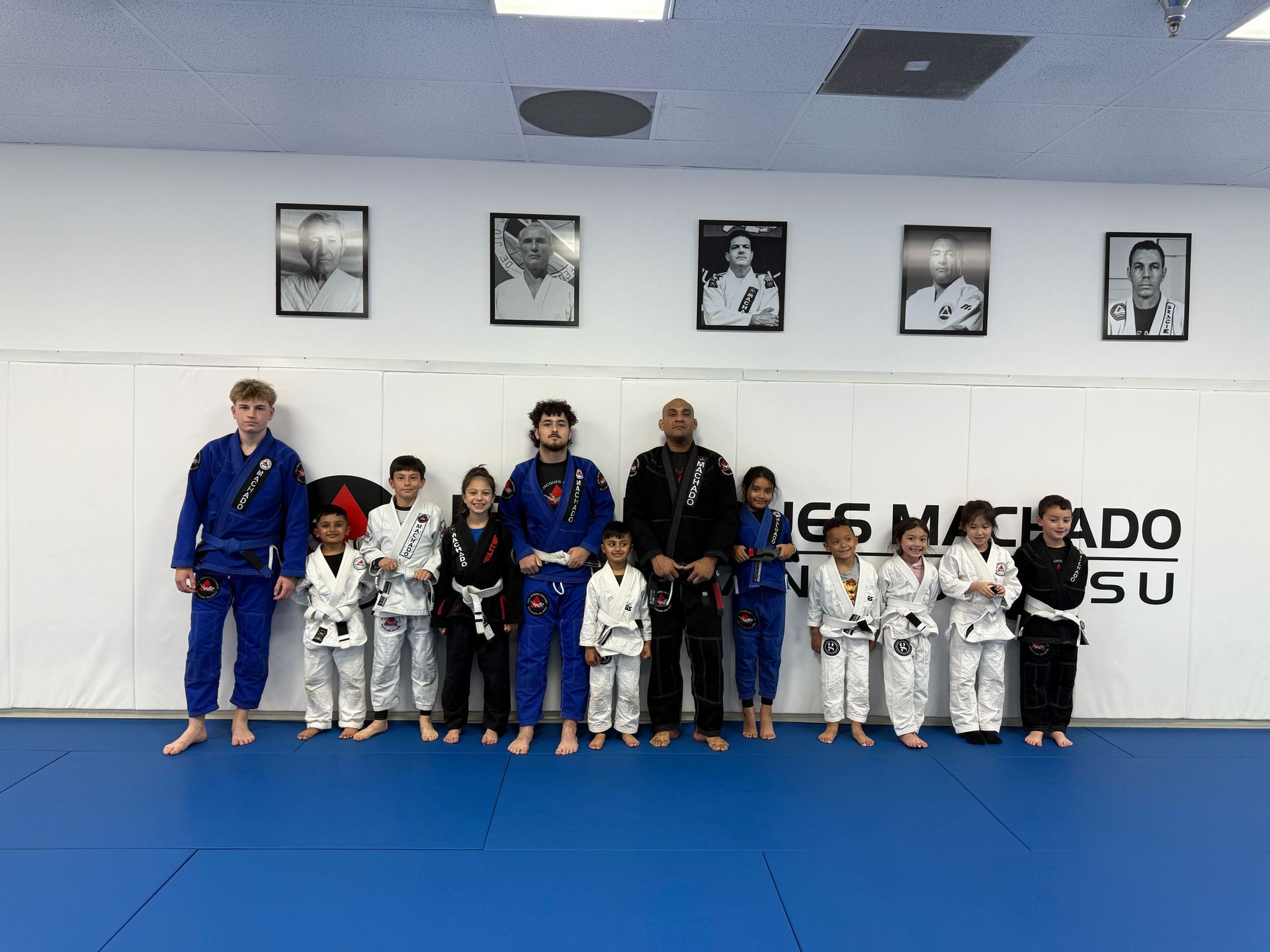
When you are ready to train with a team that takes your growth seriously, we would love to meet you at Jean Jacques Machado Jiu-Jitsu Fresno. You can use the website to review the program options and the class schedule, then step onto the mat and start stacking those small wins that turn into lasting confidence.
Turn what you learned here into hands-on training by joining a Brazilian Jiu-Jitsu class at Jean Jacques Machado Fresno.