The right training doesn’t just teach kids how to move, it teaches them how to carry themselves.
Bullying can show up in ways that are easy to miss: a sudden stomachache before school, a kid who stops raising their hand in class, or a once-chatty child who gets quiet on the car ride home. In our experience, families in Fresno are not just looking for activities, you’re looking for a practical way to help your child feel capable again. That’s where youth martial arts can make a real difference, especially when it’s taught with the right culture and guardrails.
Youth martial arts participation is also exploding nationwide, with more than 4 million kids training in the US and children ages 6 to 12 forming the largest practitioner group. Martial arts has grown to about 6.6 million American participants in 2024, and around 40 percent are under 18. The trend is big, but the reasons are personal: kids want confidence, parents want structure, and everyone wants a safer, calmer day-to-day.
In Fresno, those needs feel close to home. Between social pressure, academic stress, and the simple reality that kids are still learning how to handle conflict, training can become a steady place in the week where your child practices self-control, boundaries, and courage in a way that feels earned.
Why youth martial arts helps kids handle bullying without becoming aggressive
When families hear “self-defense,” some worry it means teaching kids to fight. We take the opposite approach. Real self-defense starts with awareness, posture, voice, and the ability to stay calm when emotions spike. The goal is not to “win” a conflict, it’s to end it safely and responsibly.
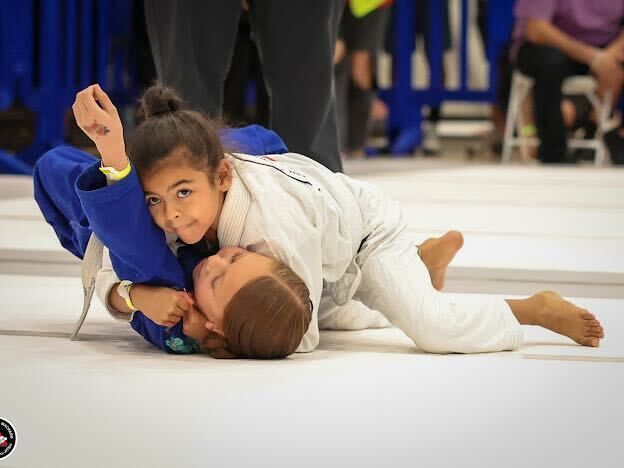
In youth martial arts, we teach kids how to manage space, how to recognize when a situation is escalating, and how to use simple, age-appropriate techniques only when needed. Brazilian Jiu-Jitsu is especially valuable here because it emphasizes leverage and technique over size and strength, which matters a lot for smaller kids dealing with bigger classmates.
We also keep the message consistent: confidence is quiet. When your child starts to feel steady in their body, they’re less likely to freeze, panic, or lash out. That inner steadiness is what often changes the bullying dynamic first.
The confidence shift we see most often
The biggest change usually isn’t physical. It’s behavioral. Kids begin to stand straighter. Eye contact gets easier. Voice volume comes up a notch. And when kids stop giving off “easy target” signals, many social situations soften on their own.
That doesn’t mean life becomes perfect, but it does mean your child has tools. Not just techniques, but options.
Youth martial arts in Fresno: what families are really looking for right now
Across the country, studios are growing quickly again, and demand for youth programs is rising as young as age 4. Post-pandemic, families are paying closer attention to mental health, routine, and in-person community. In Fresno, we see that same pull: parents want something consistent that helps kids burn energy, build focus, and spend time around positive role models.
The numbers back up what parents report. Around 77 percent of teens who train say they experience improved fitness, and about two-thirds say it becomes an important part of their social life. That “social life” piece is underrated. Belonging matters. A lot.
What’s interesting is how this ties into current youth culture, too. MMA and Brazilian Jiu-Jitsu are booming, especially with Gen Z, and social media has made grappling feel more visible and accessible. We use that interest as a doorway, then we build the deeper skills that last: discipline, humility, and resilience.
How our kids classes are structured (and why structure matters)
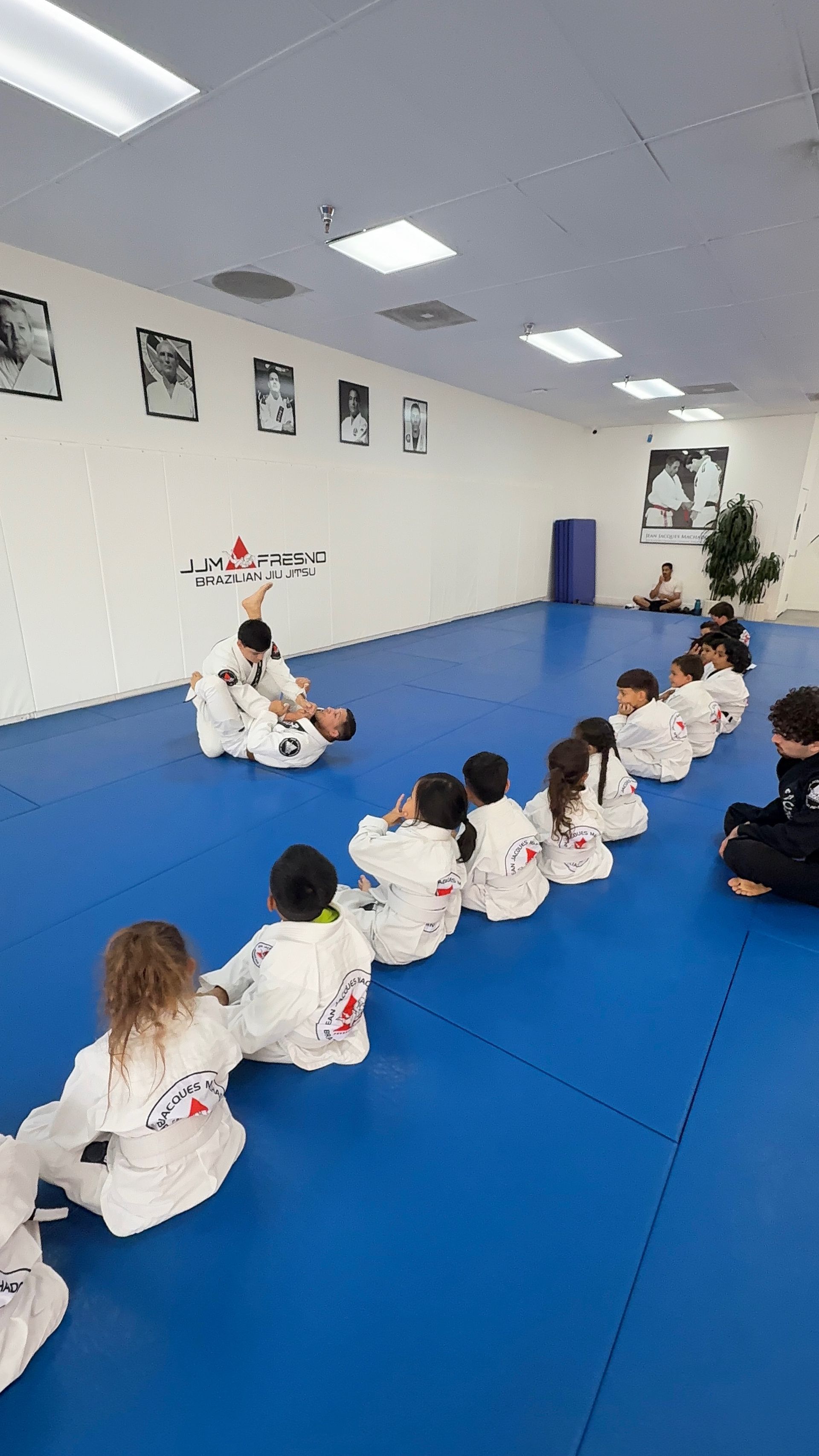
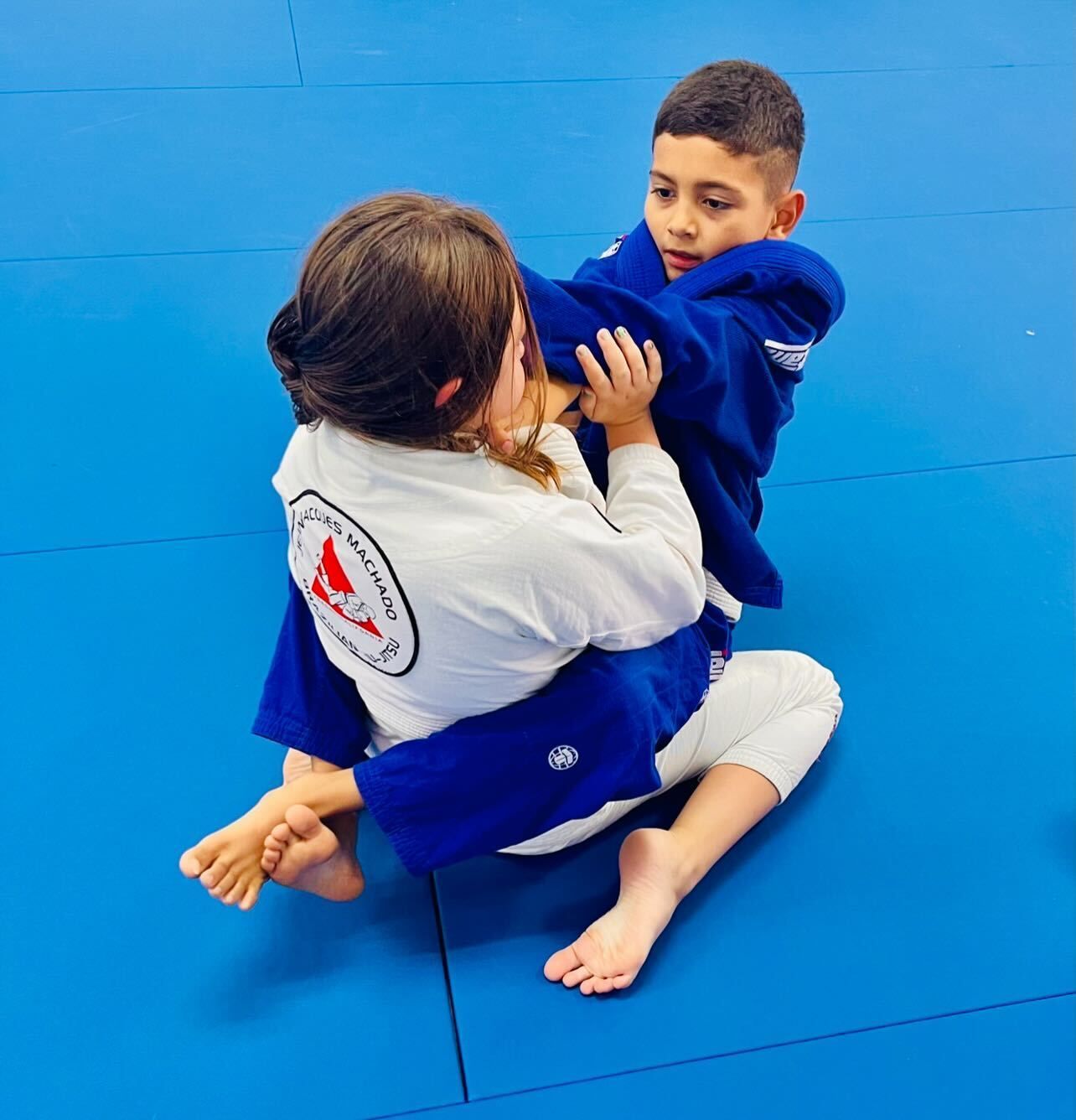
Kids do best when expectations are clear. Our youth program follows a predictable rhythm so students can relax into learning instead of guessing what’s next. Most classes run about 45 to 60 minutes, and we balance technique with movement so kids stay engaged.
A typical class flow looks like this:
• A warm-up that builds coordination, balance, and safe falling skills
• Technique instruction with clear “why” behind the movement
• Partner drills that teach cooperation and timing, not chaos
• Games that reinforce athletic skills in a fun, controlled way
• A cool-down and short life-skills talk that connects training to school and home
That last part matters more than many parents expect. Kids remember short, repeated messages: control your breathing, keep your hands to yourself, speak up clearly, walk away early when you can.
Skills that translate to school, friendships, and home
When your child trains consistently, you’ll often notice changes that show up outside the mats. Not because we “lecture” kids, but because practice rewires habits. A child who learns to pause, breathe, and follow a sequence in class starts doing the same in other stressful moments.
Here are a few real-world skills youth martial arts tends to build over time:
• Emotional regulation under pressure, especially when something feels unfair
• Better listening and follow-through, because instructions matter in partner drills
• Body confidence that reduces social anxiety and withdrawal
• Respectful assertiveness, including setting boundaries without being mean
• A healthier relationship with mistakes, because everyone taps and learns
If you’re parenting a child with ADHD-like restlessness or trouble focusing, the structure can be surprisingly helpful. Training gives active kids a place where movement is allowed and guided, which often makes it easier to sit down and do homework later.
Why Brazilian Jiu-Jitsu is especially empowering for smaller kids
One of the hardest things about bullying is the size difference. When a kid feels physically outmatched, confidence can drop fast. Brazilian Jiu-Jitsu changes the equation by teaching positioning, balance, and leverage.
We focus on concepts that are practical and age-appropriate: how to stay safe if someone grabs you, how to break grips, how to create space, and how to stand back up. We also teach kids to avoid “ego moves” that look cool but fail under pressure. Reliable beats flashy every time.
This approach fits the anti-bullying mission: we want your child to stay safe, get out, and get help, not escalate. And because grappling is practiced with control and clear rules, kids learn what responsible power feels like.
Safety first: how we keep youth martial arts training kid-friendly
Safety isn’t a slogan. It’s systems. Kids classes require clear supervision, structured partner work, and coaches who understand how to correct behavior quickly without shaming kids.
Our safety priorities include:
1. Age-appropriate techniques only, taught step-by-step with repetition
2. Partner pairing that considers size, experience, and temperament
3. A strong “tap means stop” culture, reinforced every class
4. Clean mats and hygiene expectations that protect families
5. Coaching that spots overwhelm early and helps kids reset
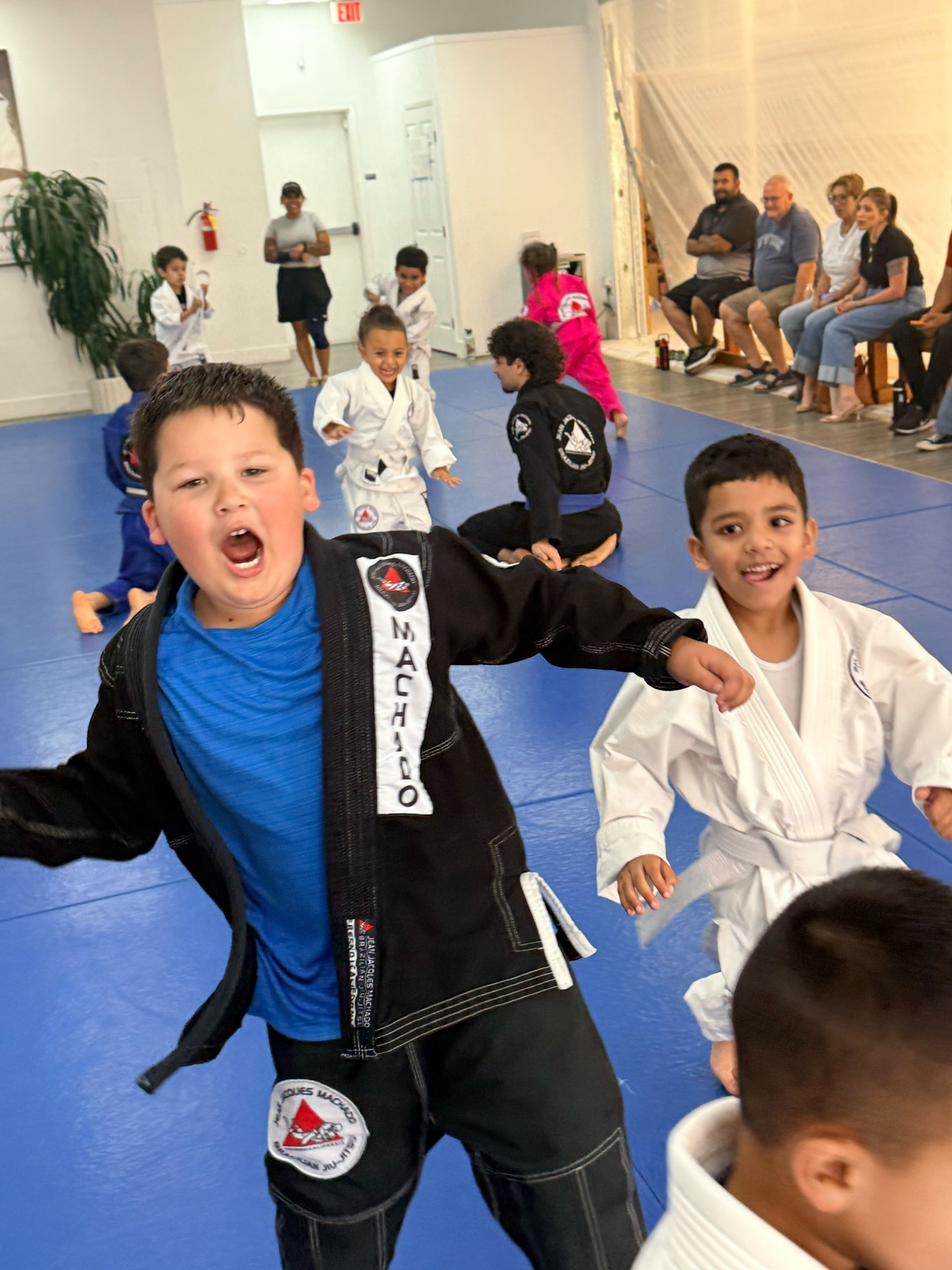
Parents should feel comfortable watching a class and seeing that the energy is controlled. Kids can still laugh, move, and be kids, but the environment stays respectful.
What to expect when your child is new (and a little nervous)
It’s normal for kids to feel unsure at first. New places, new rules, new faces. We keep introductions simple and welcoming, and we help kids learn the basic routines quickly so they can settle in.
Usually the first few classes are about comfort: learning how to line up, how to listen for cues, how to drill with a partner, and how to move safely on the mat. Once that foundation is in place, confidence builds naturally.
For many kids, the first “bravery moment” is small: raising their hand to ask a question, partnering with someone new, or trying a technique without freezing. Those small wins stack up.
Gear, schedules, and practical planning for Fresno families
Families appreciate straightforward planning. For gear, most kids start with a gi uniform, usually in the 50 to 100 dollar range, and we often recommend a mouthguard depending on age and class type. If you’re not sure what your child needs, we’ll guide you before you buy anything unnecessary.
Scheduling matters, too. Evening and weekend options help families balance school and work, and summer can be a great time to build consistency when kids have more free hours. If your child thrives on routine, sticking to two or three classes per week can be a sweet spot.
Cost is a common question. In Fresno, many programs fall roughly in the 100 to 200 dollars per month range, depending on frequency and membership structure. We also offer a free trial so you can see if the environment fits your child’s personality and your family’s schedule.
Ready to Begin
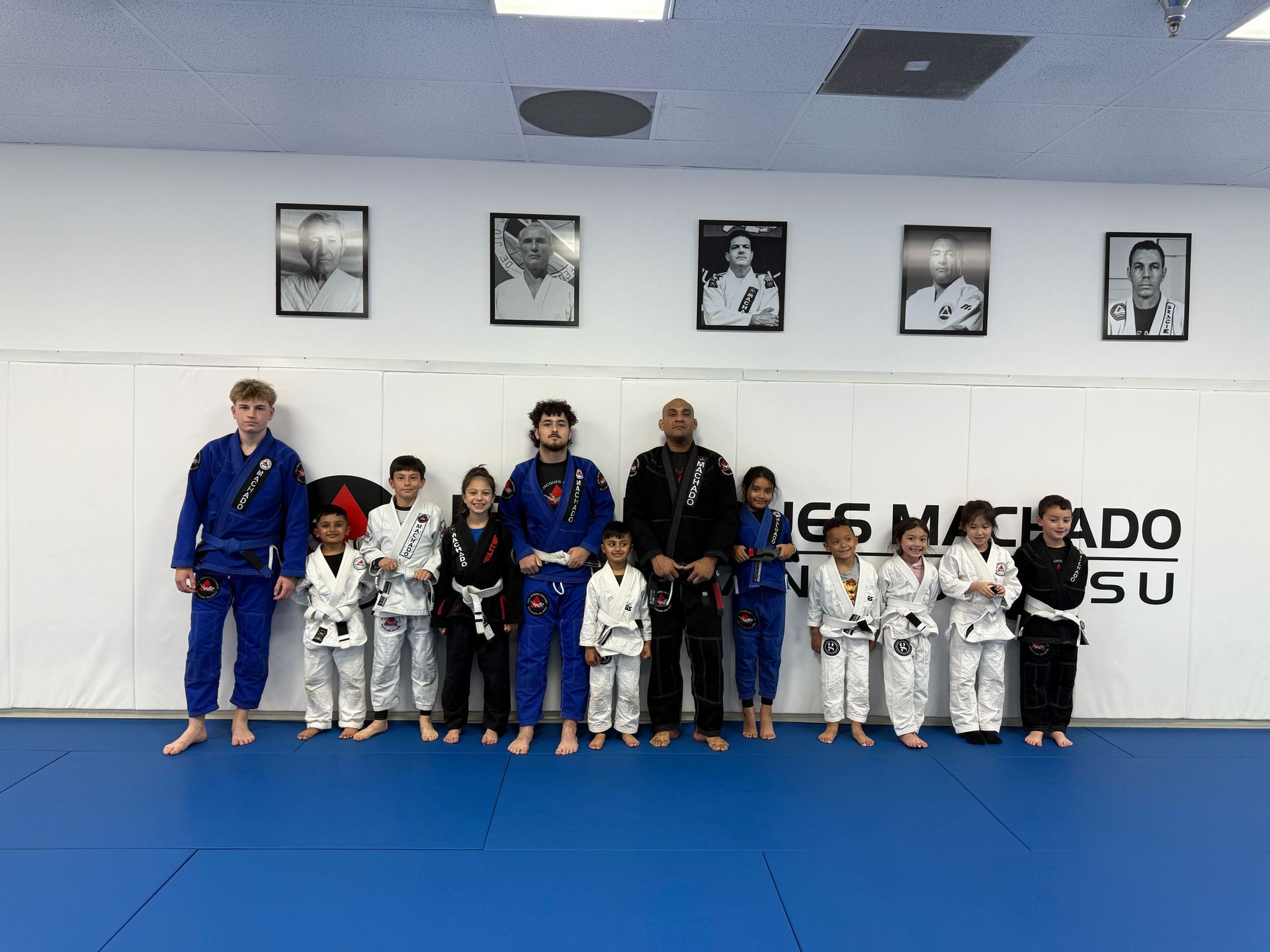
If you want youth martial arts that’s focused on real confidence, real safety, and real character growth, we’ve built our programs to meet you where you are. You’ll see a blend of structure and encouragement that helps kids go from hesitant to capable, without turning toughness into attitude.
When you’re ready, we’d love to show you how our Brazilian Jiu-Jitsu approach turns anti-bullying skills into everyday bravery at Jean Jacques Machado Jiu-Jitsu Fresno, right here in the Fresno community.
Build stronger grappling fundamentals and improve your technique by training at Jean Jacques Machado Fresno.