Real confidence comes from practicing simple, repeatable safety skills until your child can use them without freezing.
When parents look into Youth martial arts, the question usually is not about trophies or belts first, it is about safety. You want your child to move through school, sports, and the neighborhood with more awareness, better boundaries, and the ability to protect themself if something goes sideways.
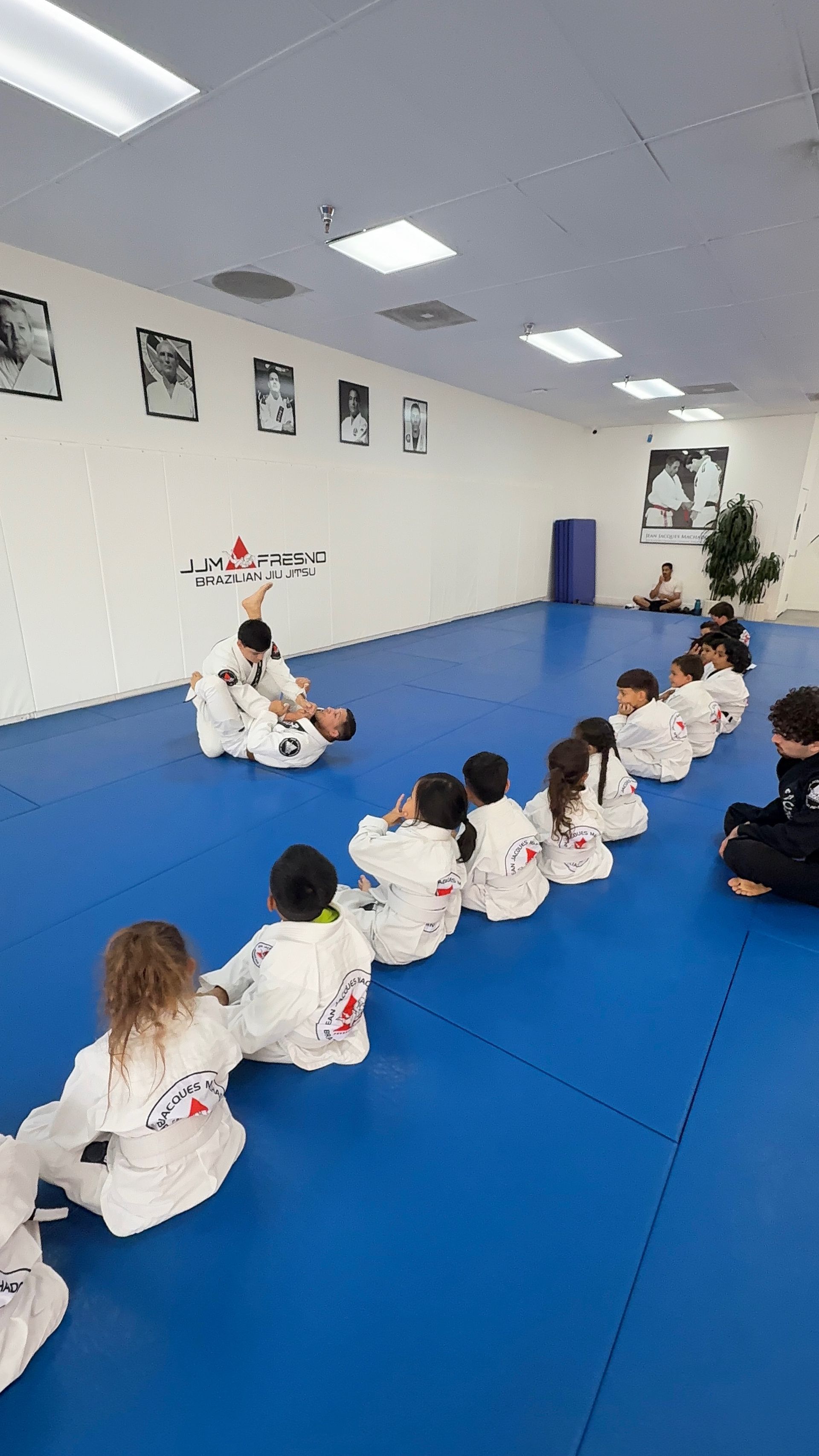
We build our youth program around practical self-defense that makes sense for kids. In class, we keep things structured, age-appropriate, and progressive, so beginners can start with the basics and keep layering skills as coordination and confidence grow.
Youth martial arts in Fresno also fills a real gap for many families. Kids do not always get consistent physical education, and conversations around bullying and school safety can feel vague. We prefer clear tools: how to stand, how to speak, how to create space, how to escape grabs, and how to get back to a safe adult quickly.
Why Youth Martial Arts Works for Self-Defense (Especially for Ages 6-12)
A big reason youth programs keep growing nationally is simple: the benefits show up fast. Children ages 6-12 are often the largest group in kids’ classes, and millions of U.S. kids participate in martial arts overall. That age range is also where we see major jumps in listening skills, balance, and emotional regulation, which all matter in real-world self-defense.
In our classes, we treat self-defense as a complete skill set, not just a set of moves. Knowing a technique is nice. Being able to use it under stress, with a racing heart and a loud room, is the real goal.
Youth martial arts gives kids a training space where we can safely recreate common situations: someone grabs a wrist, someone crowds personal space, someone pushes during a game, someone tries to pin from the top. We slow it down, teach the safest answer, and then repeat it until it feels normal.
Skill 1: Situational Awareness Without Fear
Awareness is the quiet superpower that prevents most problems. For kids, we teach this in a way that does not make life feel scary or tense. It is more like learning to drive a little more carefully: notice what is around you, and make good choices early.
In class, we practice:
- Looking up and scanning instead of staring at the floor
- Keeping a comfortable personal-space bubble
- Noticing entrances, exits, and where trusted adults are
- Identifying when play has turned into something else
This is one reason martial arts in Fresno can be such a steady anchor for families. Awareness becomes a habit. Kids start walking with their shoulders a bit more relaxed and their eyes more engaged, which is a subtle but meaningful change.
Skill 2: Strong Boundaries and Verbal De-Escalation
Self-defense is not only physical. A confident voice and clear boundaries can stop a situation before it becomes hands-on. We coach kids on simple phrases and body language: standing tall, hands up in a non-threatening way, and using a firm voice.
We also talk about the difference between teasing, conflict, and bullying. Kids do not need a complicated script. We keep it simple and repeatable:
- Say no clearly
- Create distance
- Get to a safe adult
- Tell a parent or coach, even if it feels awkward
This is where Youth martial arts can surprise parents. The biggest change is often not the technique. It is that your child starts believing that it is okay to speak up.
Skill 3: Balance, Base, and How Not to Fall Apart When Pushed
A lot of kid conflicts are messy and accidental. Someone bumps into someone in line. A rough game turns into shoving. A push happens near a bench or backpack pile. So we train balance and base early, because staying on your feet matters.
We teach kids how to:
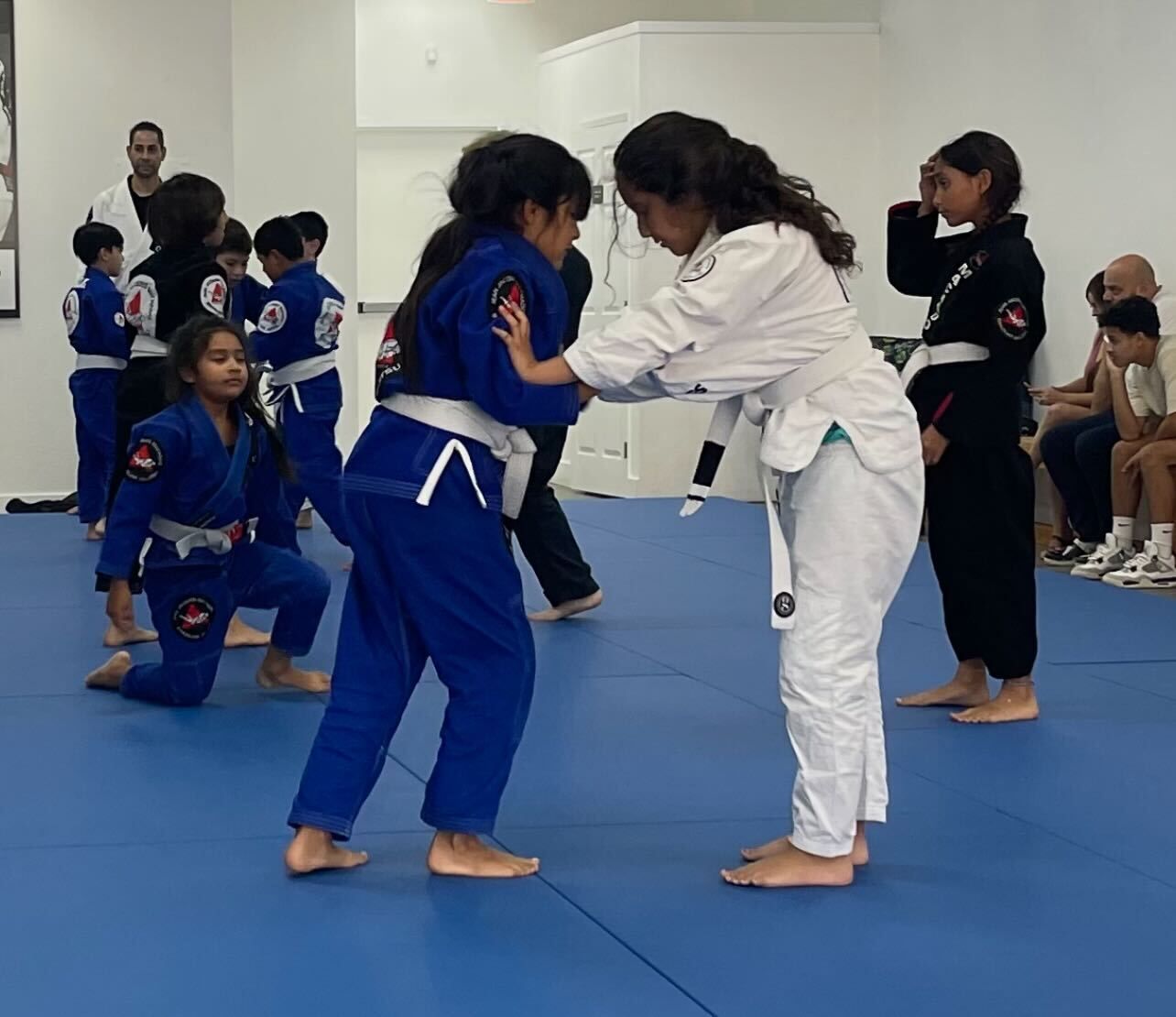
- Keep a stable stance when someone bumps or grabs
- Move their feet instead of leaning backward
- Breakfall safely to reduce injury if a fall happens
- Stand back up with control, not panic
Even in a non-violent scenario, falling safely is a real life skill. We see it pay off in sports, playground tumbles, and just normal kid chaos.
Skill 4: Grip Breaking and Wrist Release Fundamentals
One of the most common situations kids ask about is being grabbed. Wrist grabs happen during bullying, but also during rough play that gets out of hand. We teach kids that the goal is not to “win” a fight, it is to break the grip and leave.
Our approach focuses on mechanics kids can actually perform:
- Using the weak part of the grip as the exit point
- Turning the wrist and stepping away together
- Keeping posture upright to avoid getting pulled off balance
We drill these skills with control. Kids learn to apply technique without cranking or yanking, and that keeps the training safe while still building real competence.
Skill 5: Clinch Safety and Close-Range Control
When distance closes, striking-based ideas often get messy for children. In real life, kids tend to grab, hug, wrestle, or tackle. So we spend time on clinch awareness: what to do when someone is chest-to-chest or grabbing around the body.
This includes:
- How to pummel for inside position (in kid-friendly terms)
- How to protect the head and keep a stable base
- How to turn and angle out instead of pushing straight back
Clinching is also where our youth program builds calm. Kids learn that close contact does not automatically mean panic. There is a process: stabilize, frame, escape, and then leave.
Skill 6: Takedown Defense and Safe Takedown Basics
We keep takedowns age-appropriate and focused on safety. For kids, the priority is learning how to stay balanced and how to avoid getting slammed or tripped unexpectedly. We do not want wild, uncontrolled throws. We want clean mechanics and respectful partners.
Kids learn:
- Simple trips and takedowns with control
- How to sprawl and widen base when someone shoots in
- How to land safely and recover position
This is where Youth martial arts in Fresno can feel especially practical. Many common playground problems start with a shove and end with someone on the ground. Knowing how to respond safely can prevent injuries and reduce the chance of escalation.
Skill 7: Ground Survival, Escapes, and Getting Back Up
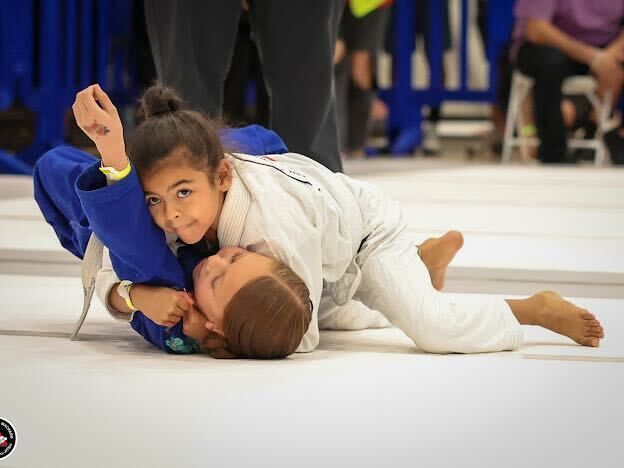
Ground skills are a core part of what we teach because real altercations often end up on the ground, even when nobody planned it. On the ground, size differences can matter less when technique is solid. Leverage, frames, hip movement, and positioning give smaller kids options.
We focus on a simple ground priority system:
1. Protect your head and breathe
2. Create frames to stop pressure
3. Escape the pin or hold
4. Stand up safely and create distance
5. Find a trusted adult immediately
The emphasis stays on escape, not domination. Kids learn that being pinned is not the end of the story. There is almost always a next step.
Skill 8: Controlled Sparring and Stress Testing (Done the Right Way)
Parents often wonder whether sparring is safe. It can be, when it is introduced gradually, supervised closely, and matched by size and experience. We do not throw beginners into chaos. We build up to controlled resistance in a way that feels challenging but not overwhelming.
Controlled sparring teaches something drills alone cannot: decision-making under pressure. Kids learn to keep thinking while someone else is moving, resisting, and trying their own technique. That skill carries into real life. Stress happens. We want your child to stay functional inside it.
What Your Child Learns in Our Youth Martial Arts Curriculum
To make the skills above more concrete, here is what we typically build into our Youth martial arts classes over time:
• Awareness and boundary setting so kids can avoid trouble and speak clearly when something feels wrong
• Safe movement and breakfalls that reduce injury risk during slips, trips, and takedowns
• Grip breaks and escapes from common holds like wrist grabs and front hugs
• Clinch and positioning basics that help kids stay balanced when someone crowds or grabs
• Ground escapes and stand-ups focused on getting away, not “winning” a fight
• Composure under pressure through controlled, supervised resistance drills
This structure is also why martial arts in Fresno has become a go-to activity for families who want more than a quick confidence boost. The skills stack. Month by month, your child moves better, reacts faster, and understands what to do next.
Safety, Structure, and How We Keep Kids Progressing
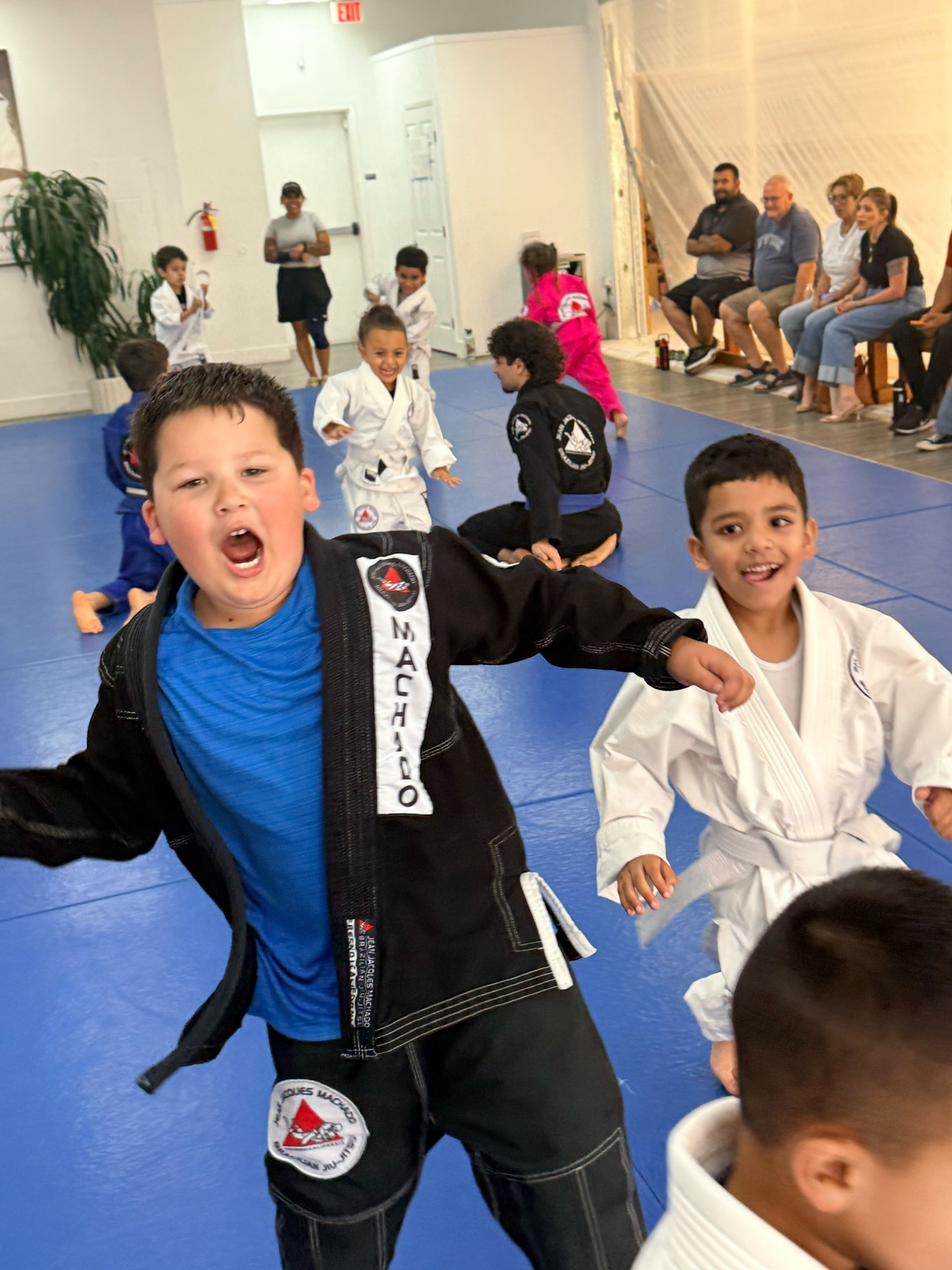
We run class with a clear routine. Kids do better when expectations are consistent, and parents appreciate knowing what the training environment looks like. We keep instruction active and hands-on, but we also keep it organized.
Safety is not an afterthought. We focus on technique, partner respect, and control. When we increase intensity, we do it intentionally. Kids earn more advanced drills by showing that they can listen, move responsibly, and treat partners well.
Progress is also easier when kids can see it. Our belt and stripe milestones give families a simple way to track development. It is not just about rank. It is evidence that your child is showing up, learning, and improving.
How Youth Martial Arts Supports School, Sports, and Daily Confidence
Self-defense is the headline, but it is not the only benefit. Many families notice improvements in focus, emotional control, and follow-through. Nationally, a large share of youth participants report health and social benefits from martial arts training, and we see similar patterns in our community.
A few changes parents commonly mention:
- Better listening and faster response to coaching, at school and in sports
- More comfort with new environments and social situations
- Improved posture and coordination, which affects confidence in subtle ways
- A healthier outlet for energy and stress
Youth martial arts works best when it becomes part of a routine. Two or three classes a week can make a noticeable difference without overwhelming your family calendar.
Take the Next Step
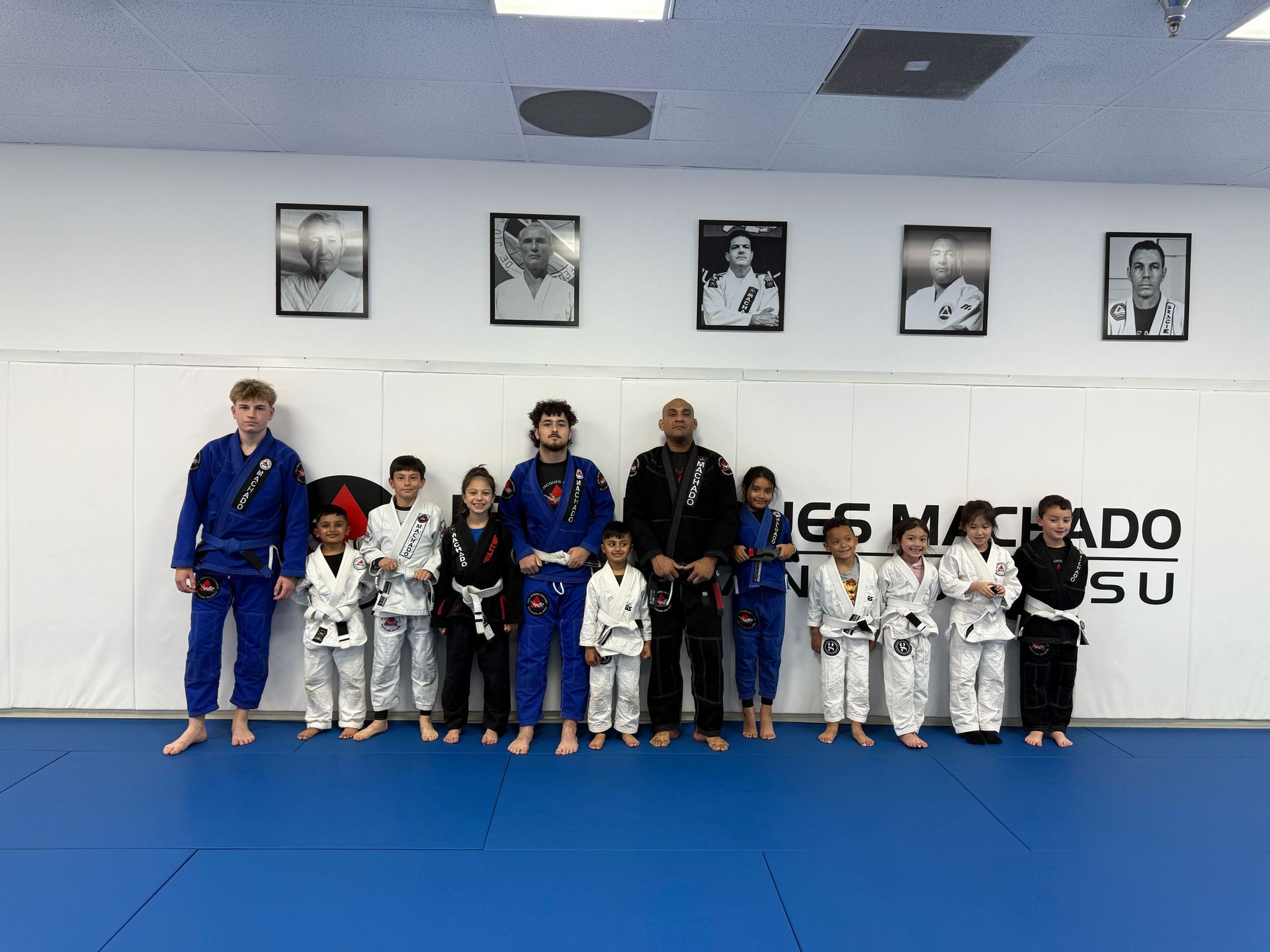
If you want self-defense skills that feel practical, we have built our youth curriculum to meet kids where we find them and guide them forward with a clear plan. At Jean Jacques Machado Jiu-Jitsu Fresno, we keep training grounded in real positions and real escapes, taught in a way kids can understand and actually use.
When you are ready, we would love to help your child start strong and keep building. Youth martial arts is not about turning kids into fighters. It is about giving your child calm, capable responses and the confidence that comes from practice at Jean Jacques Machado Jiu-Jitsu Fresno.
Give your child a positive and active outlet by joining the kids’ Brazilian Jiu-Jitsu program at Jean Jacques Machado Fresno.