Your first step on the mat can become a long-term practice that changes how you move, think, and handle pressure.
Starting martial arts can feel like a big leap, especially if you have not trained before or you are getting back into fitness after time away. We meet people every week who walk in with the same questions: Will I be the only beginner, will I slow the class down, and will this actually work outside the gym?
Our answer is simple: progress comes from structure, good coaching, and a room full of people who take training seriously while still keeping it welcoming. If you want martial arts in Fresno that focuses on real skill, your journey does not need to be complicated, but it does need to be consistent.
In this guide, we will break down what the path can look like from your first class to advanced ranks, what you should focus on at each stage, and how to build the kind of training routine that fits real Fresno schedules, workweeks, and family life.
Why Brazilian Jiu-Jitsu is a Practical Martial Arts Path for Real Life
Not every martial arts system gives you the same feedback loop. One reason Brazilian Jiu-Jitsu works so well for beginners is that it is measurable. You can feel when posture breaks, when balance shifts, and when control is real. In other words, your training is not based on guessing.
We teach a grappling-first approach built around timing, leverage, and problem-solving under pressure. Over time, you learn how to stay calm in uncomfortable positions, how to escape, and how to control situations without relying on size or strength. That is a big deal for adults who want self-defense skills that do not depend on being the strongest person in the room.
Even if your goal is fitness, BJJ is honest work. It develops your grip, core, hips, and conditioning in a way that feels more like learning a skill than grinding through a workout.
What to Expect in Your First Martial Arts Classes in Fresno CA
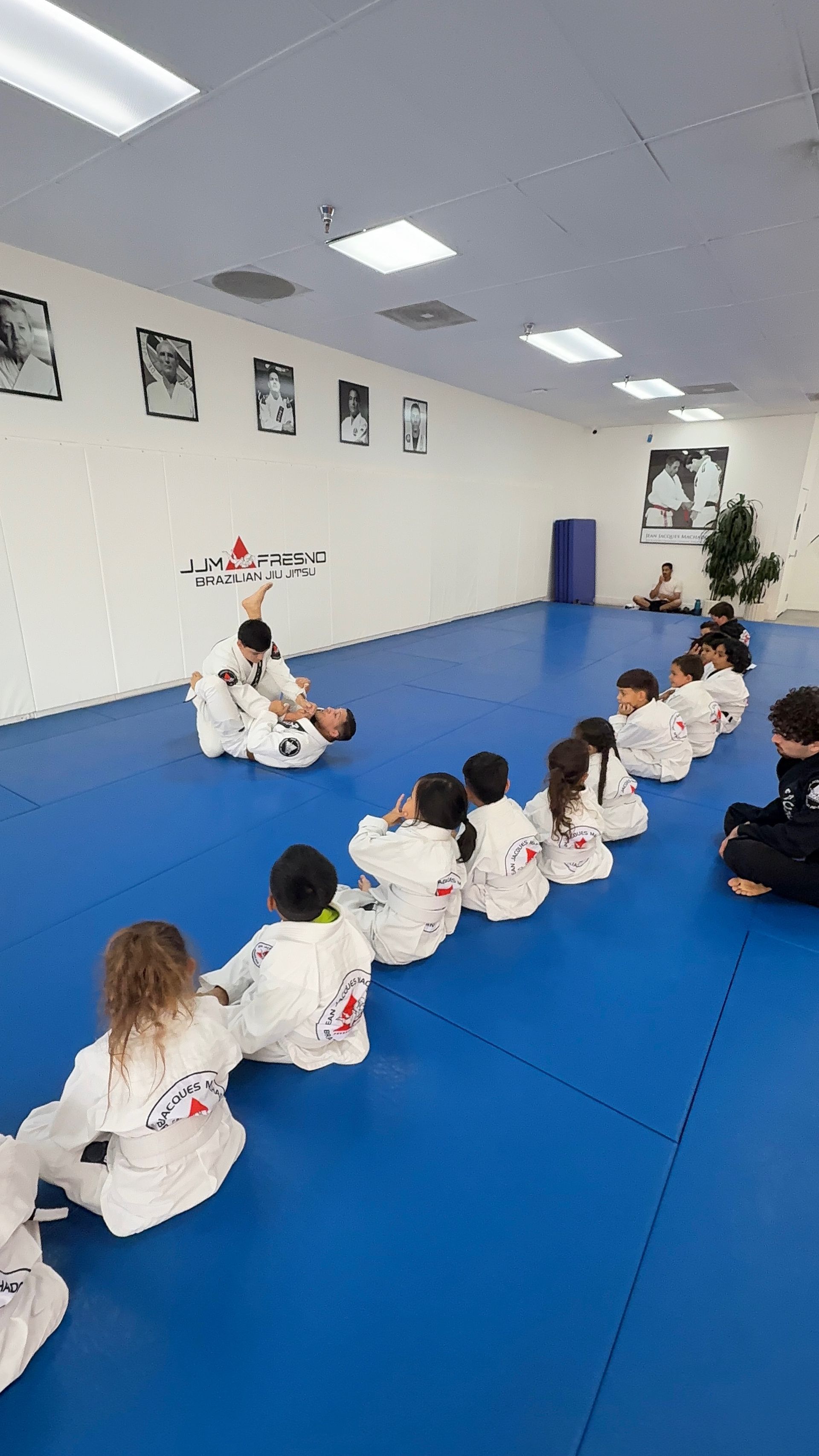
The first class is usually where nerves show up. We get it. New environments, unfamiliar terms, and close-contact training can sound intimidating on paper. In practice, the first day is mostly orientation and fundamentals, with plenty of coaching and safety reminders.
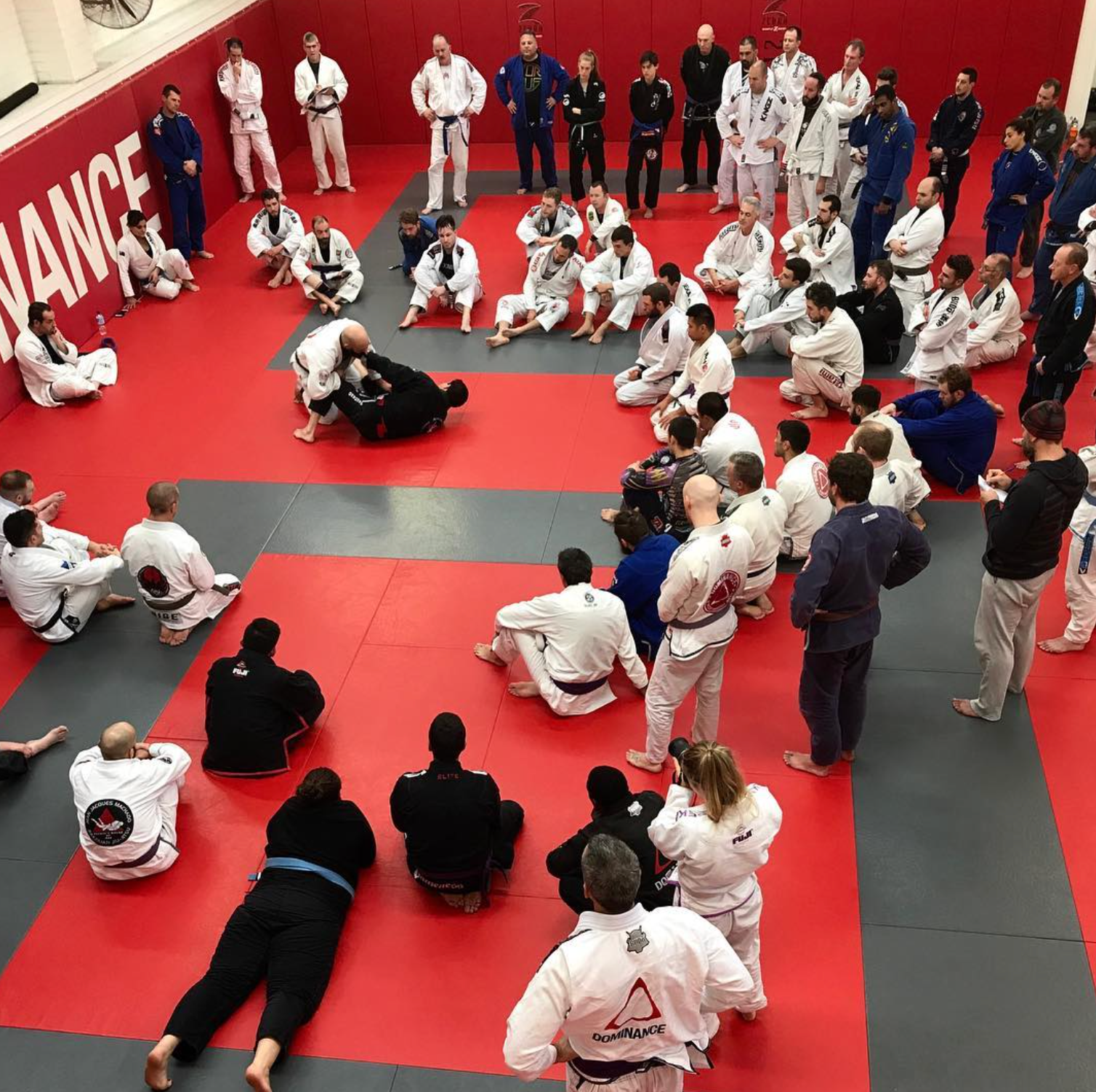
You will learn how to move safely on the mat, how to tap, and how to practice with a partner the right way. You will also see that our room is full of regular people, including parents, professionals, and students who started with zero background. If you have been searching for martial arts classes in Fresno CA that start with clear basics instead of throwing you into the deep end, fundamentals is where you belong.
A quick note on pace: you do not need to be in shape to start. Training helps you get in shape, and we scale intensity so you can build up gradually without feeling wrecked for work the next day.
The Roadmap: From Beginner to Black Belt (What Progress Really Looks Like)
People often ask how long it takes to reach black belt. The honest answer is that it depends on consistency, coaching, and how well you absorb and apply skills over time. We care about real ability, not quick promotions, so your timeline should be viewed as a long-term craft.
Stage 1: The First 30 Days (Learning How to Learn)
In your first month, your biggest job is to show up and build comfort with the basics. You are learning new movement patterns, new vocabulary, and new reactions.
Expect to focus on:
- How to frame and protect space so you can breathe and move
- How to stay balanced inside someone’s control
- How to tap early and train safely with partners of all sizes
- How to drill with intention instead of rushing
This is also when you start noticing small wins, like escaping a bad spot you could not escape last week. Those moments matter more than you might think.
Stage 2: Months 2 to 6 (Building a Foundation You Can Trust)
After the initial learning curve, training starts to feel more connected. You recognize positions faster, your movements smooth out, and you begin to understand why certain details matter.
We typically guide students to pick a small “core game” early:
- One or two escapes you can rely on
- One guard you can return to under pressure
- One pass you can repeat with good posture
- One submission you can finish with control
This phase is where martial arts becomes less about collecting moves and more about building reliable sequences.
Stage 3: 6 to 12 Months (Turning Knowledge into Timing)
By the time you approach a year of consistent training, you have enough experience to feel timing. That is when techniques start working with less effort. You also start identifying patterns, like which grips lead to your favorite pass or which escape chains together best for your body type.
You will also learn something important here: sparring is not about winning rounds. It is about testing what you are building. Some days you feel sharp. Some days you feel slow. That is normal, and it is part of the process.
Stage 4: Blue Belt and Beyond (Depth, Not Just More Moves)
Once you reach intermediate ranks, your focus shifts. You stop asking, “What do I do?” and start asking, “How do I do this against different reactions?” That is where refinement lives.
At this stage, we help you:
- Improve control so your techniques work with less energy
- Build transitions between positions instead of stalling
- Sharpen defense so you can stay safe even when tired
- Develop a personal style you can reproduce under stress
This is also when many students find themselves mentoring newer teammates in small ways, like helping someone understand a grip or reminding a beginner to breathe. Teaching, even casually, deepens your own understanding.
A Weekly Training Plan That Actually Works in Fresno
Consistency beats intensity, especially if you want to stay healthy and keep showing up. A schedule that is too aggressive usually collapses after a busy week or two. We would rather see you train steadily than burn out.
Here is a simple progression we recommend for most adults:
1. Start with 2 classes per week for the first month to build recovery and confidence
2. Move to 3 classes per week for months 2 to 6 to accelerate skill retention
3. Add a 4th or 5th session only if sleep, joints, and schedule are staying solid
4. Keep at least 1 day per week as a full rest day if you are also lifting or running
5. Reassess every 8 to 12 weeks based on soreness, motivation, and progress
If you are balancing work, kids, or both, you are not behind. You are normal. The key is choosing a routine you can repeat even during hectic Fresno weeks.
What “Self-Defense Focus” Means in Day-to-Day Training
Self-defense is not a single technique. It is a set of decisions, habits, and skills that hold up under pressure. We train with control and realism so you learn what works when someone resists, not only when a partner cooperates.
Our self-defense emphasis typically shows up in three ways. First, we prioritize positional control and escapes, because those are the skills that give you time and options. Second, we coach awareness around balance, base, and posture so you are harder to move or knock off-center. Third, we keep training honest with live rounds, because timing only develops when you practice against real resistance.
That approach is especially helpful for students who want martial arts for confidence, not just exercise. Confidence comes from knowing you can handle yourself, and that knowledge is built through reps over time.
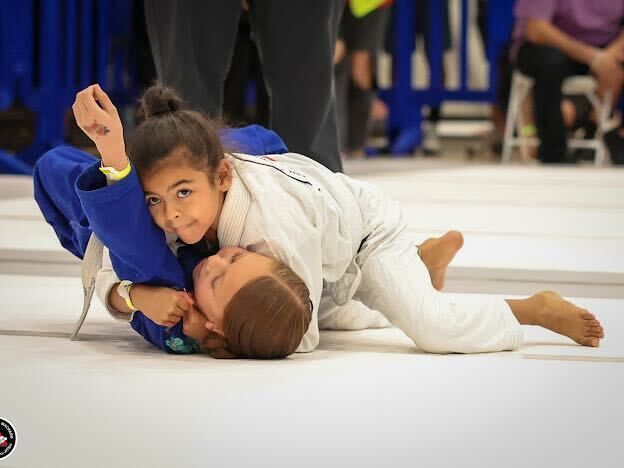
Kids, Teens, and Families: A Long-Term Skill, Not a Short-Term Activity
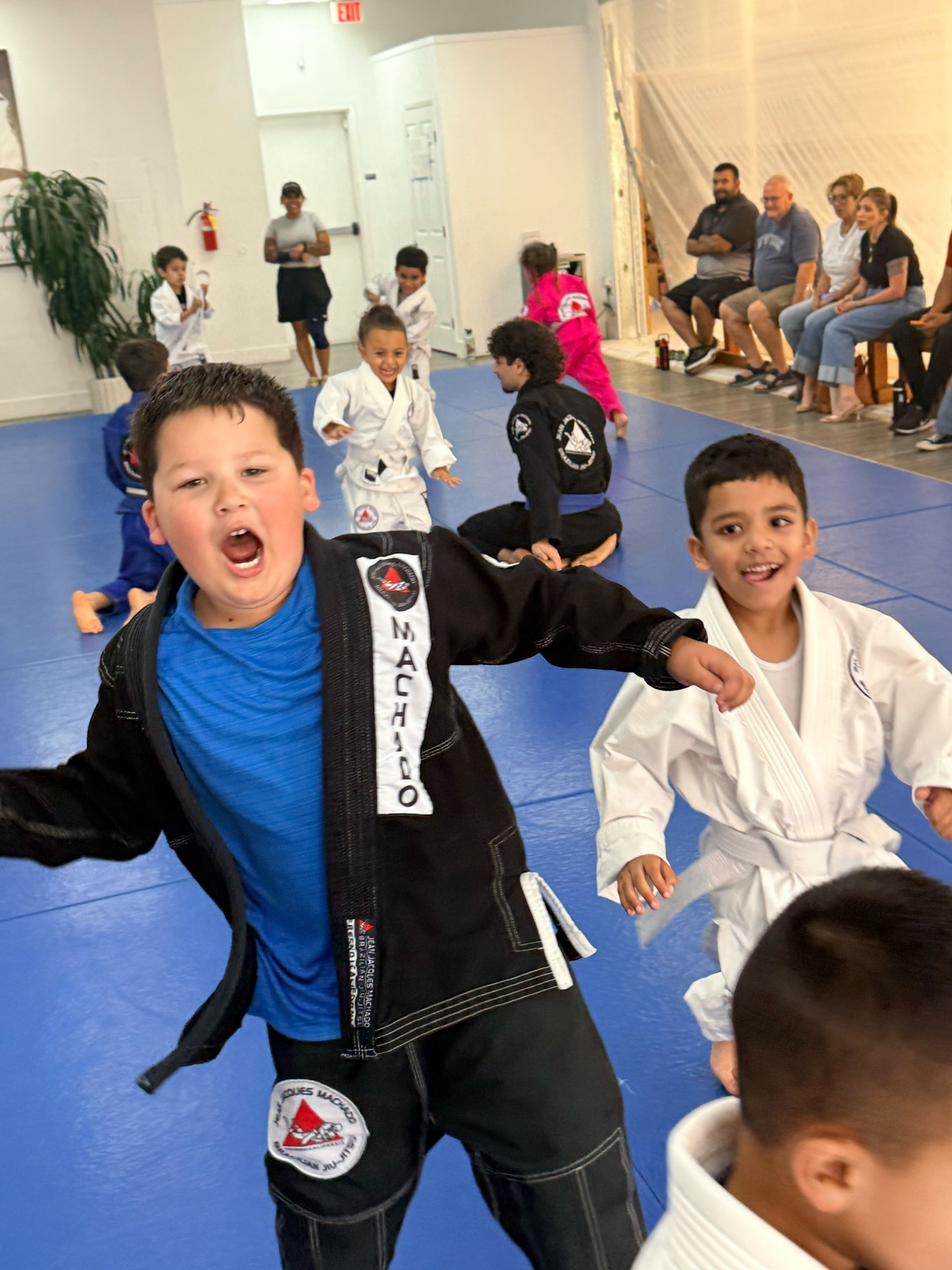
Families often come to us looking for a structured environment that helps kids build discipline and focus without making training feel like a chore. We love that goal, because the best youth programs teach more than techniques.
In our kids and teen classes, we emphasize:
- Listening and following multi-step instructions
- Respectful partner training and safe contact
- Building coordination, balance, and body awareness
- Handling frustration and learning to reset after mistakes
Parents also appreciate that progress is visible. Over months, kids tend to stand a little taller, speak a little clearer, and handle feedback better. It is not magic. It is repetition, accountability, and a community that expects effort.
How We Keep Training Safe While Still Making It Effective
Real progress requires live practice, but safety has to be built into the culture. We do that through coaching, controlled intensity, and clear expectations about tapping and partner care.
You will hear us repeat a few principles often: protect your partner, prioritize technique over speed, and tap early enough to train tomorrow. We also encourage students to communicate. If you have a sore shoulder, a stiff neck, or you are simply low-energy that day, we adjust your training. You will still learn, and you will stay in the game.
For many adults, this is what makes martial arts sustainable. The goal is not to survive one hard session. The goal is to train for years.
What Makes a Black Belt Journey Worth It (Even If You Never “Need” the Belt)
A black belt is not just a rank. It is a record of problem-solving, consistency, and personal ownership of your training. Along the way, you get benefits that show up outside the gym: better stress management, better posture, and a calmer response when life gets messy.
Not everyone trains with the goal of reaching black belt, and that is fine. Plenty of students train for practical self-defense, community, or fitness. But the mindset of long-term development improves every goal. When you focus on mastering fundamentals, you get stronger results with less strain, and your progress stays steady.
If you want martial arts in Fresno that gives you a true skill you can carry for life, the journey is the point.
Start Your Journey
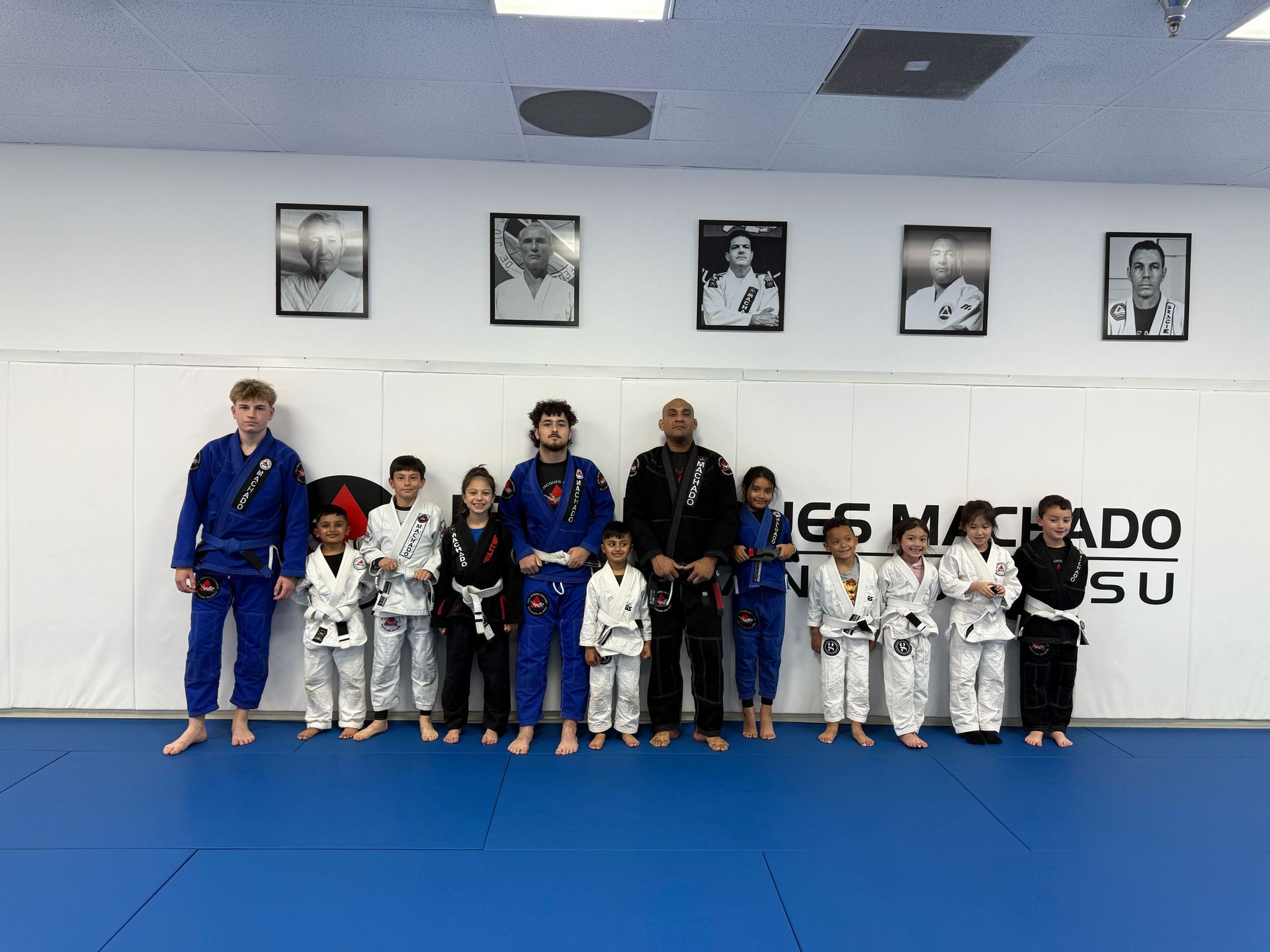
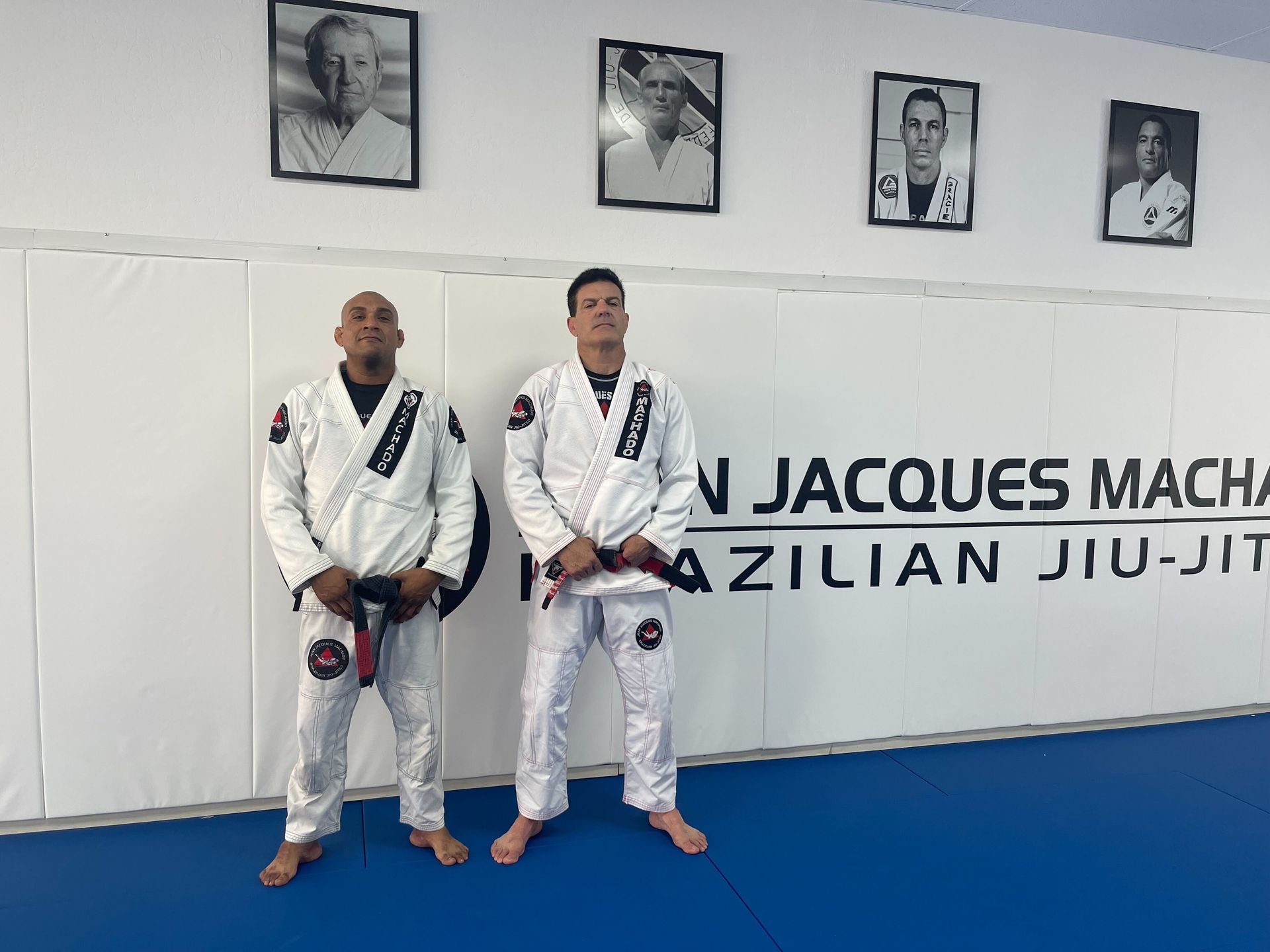
Building real ability takes time, but it starts with one good first class in the right environment. That is what we focus on at Jean Jacques Machado Jiu-Jitsu Fresno: structured coaching, authentic Brazilian Jiu-Jitsu, and a culture where you can train hard while still feeling supported.
If your goal is self-defense, fitness, confidence, or a family activity that actually sticks, we will help you map the next steps based on where you are today, not where you think you should be. When you are ready, come train with us at Jean Jacques Machado Jiu-Jitsu Fresno and see how quickly the basics begin to click.
Continue your martial arts journey beyond this article by joining a class at Jean Jacques Machado Jiu-Jitsu Fresno.