
The right training room can become a steady place where kids learn to reset, refocus, and try again.
Parents around Fresno are paying closer attention to mental health than ever, and for good reason. Stress shows up earlier now, and it does not always look like stress. Sometimes it looks like a short fuse, trouble focusing, or a kid who suddenly quits the things they used to enjoy. When families ask us what helps, we often come back to a practical truth: consistent martial arts training gives young people a structured way to handle pressure.
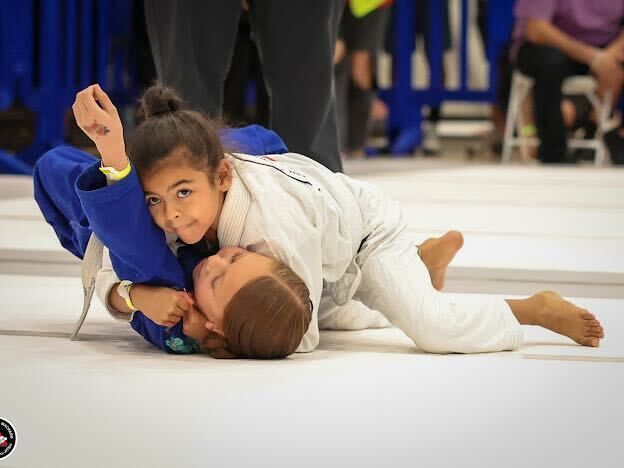
In our kids and teen programs, we see how routine and coaching change the way students carry themselves. Martial arts is physical, yes, but the big shift is often internal. A student learns how to listen, how to try again after a mistake, and how to work with partners respectfully. Those are life skills, and they are also mental health skills.
This article explains why martial arts in Fresno can be such a strong support for youth mental health, what we focus on in class, and how you can tell if a program environment is truly helping your child build confidence and resilience.
Why martial arts supports youth mental health in a real, practical way
Mental health can feel like a huge topic, but in day-to-day life it often comes down to a few core abilities: managing stress, staying present, handling frustration, and recovering from setbacks. In our martial arts classes, those skills get practiced the same way a technique gets practiced: step by step, with feedback, and with repetition.
A lot of youth activities are either fully unstructured or overly performance-based. Our training sits in a sweet spot. We keep expectations clear, and we build skills progressively, so students can succeed often enough to stay motivated while still being challenged.
Routine and structure reduce background stress
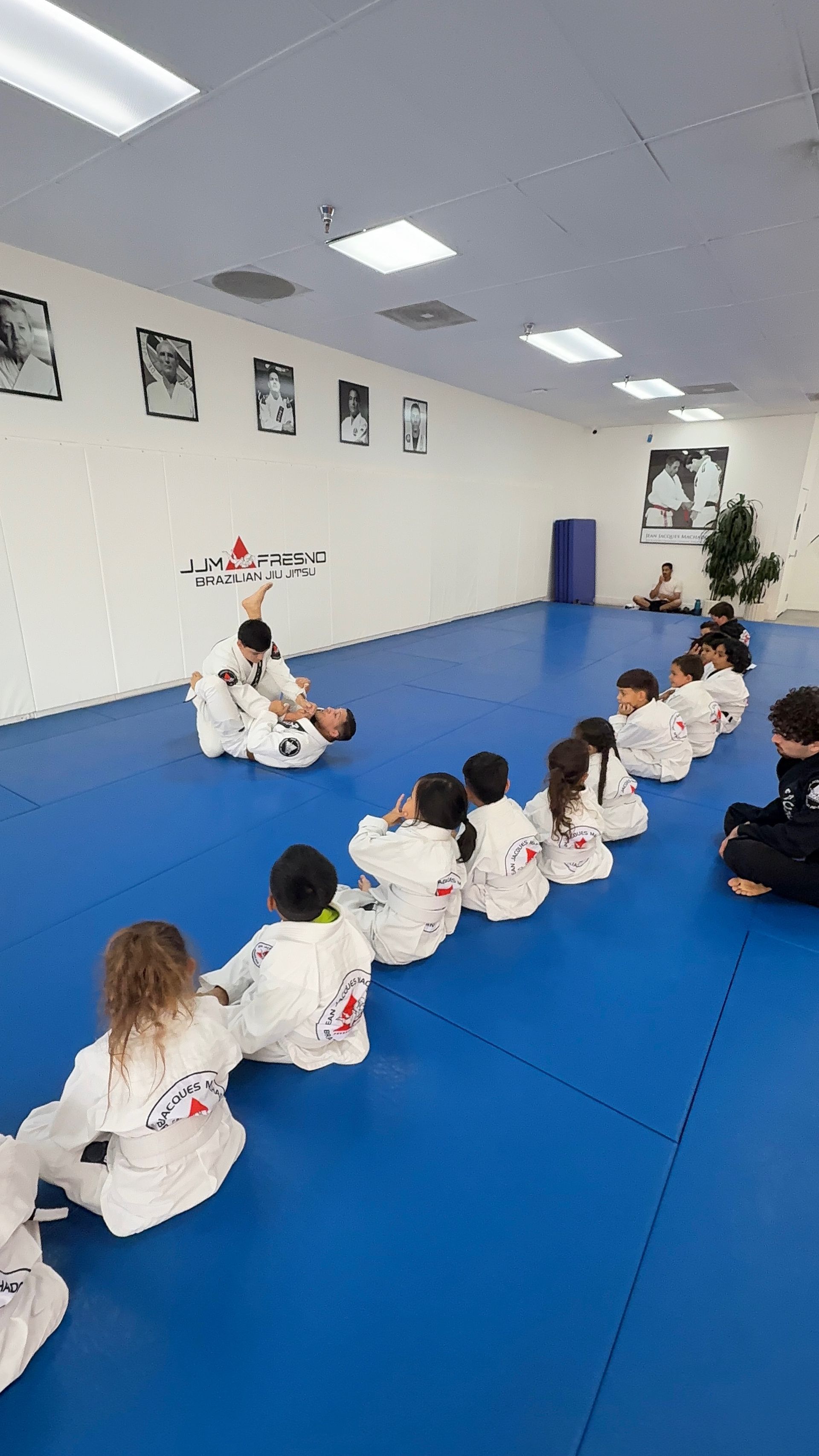
Many kids thrive when they know what comes next. In class, the warm-up, drills, partner work, and cooldown create a predictable rhythm. That rhythm matters. When your child learns that effort leads to progress inside a clear structure, nervous energy has somewhere to go.
We also keep the environment positive and safe. Students are coached to treat training partners respectfully, to follow instructions, and to re-engage after a mistake. Over time, those habits can spill into schoolwork and home routines in a surprisingly steady way.
Small wins build confidence that sticks
Confidence is not something we ask kids to fake. We build it through measurable wins: remembering the steps, improving timing, staying calm in a scramble, or speaking up to ask a question. Those moments add up.
When kids start feeling capable in one area, it becomes easier for them to believe they can handle other challenges too. That matters for youth mental health because confidence reduces avoidance. Instead of shutting down when something feels hard, kids learn a more useful default: try again.
Physical effort helps regulate mood and energy
Movement is one of the most overlooked tools for emotional regulation. Training elevates the heart rate, challenges coordination, and requires focus, and that combination often helps students sleep better and feel more balanced.
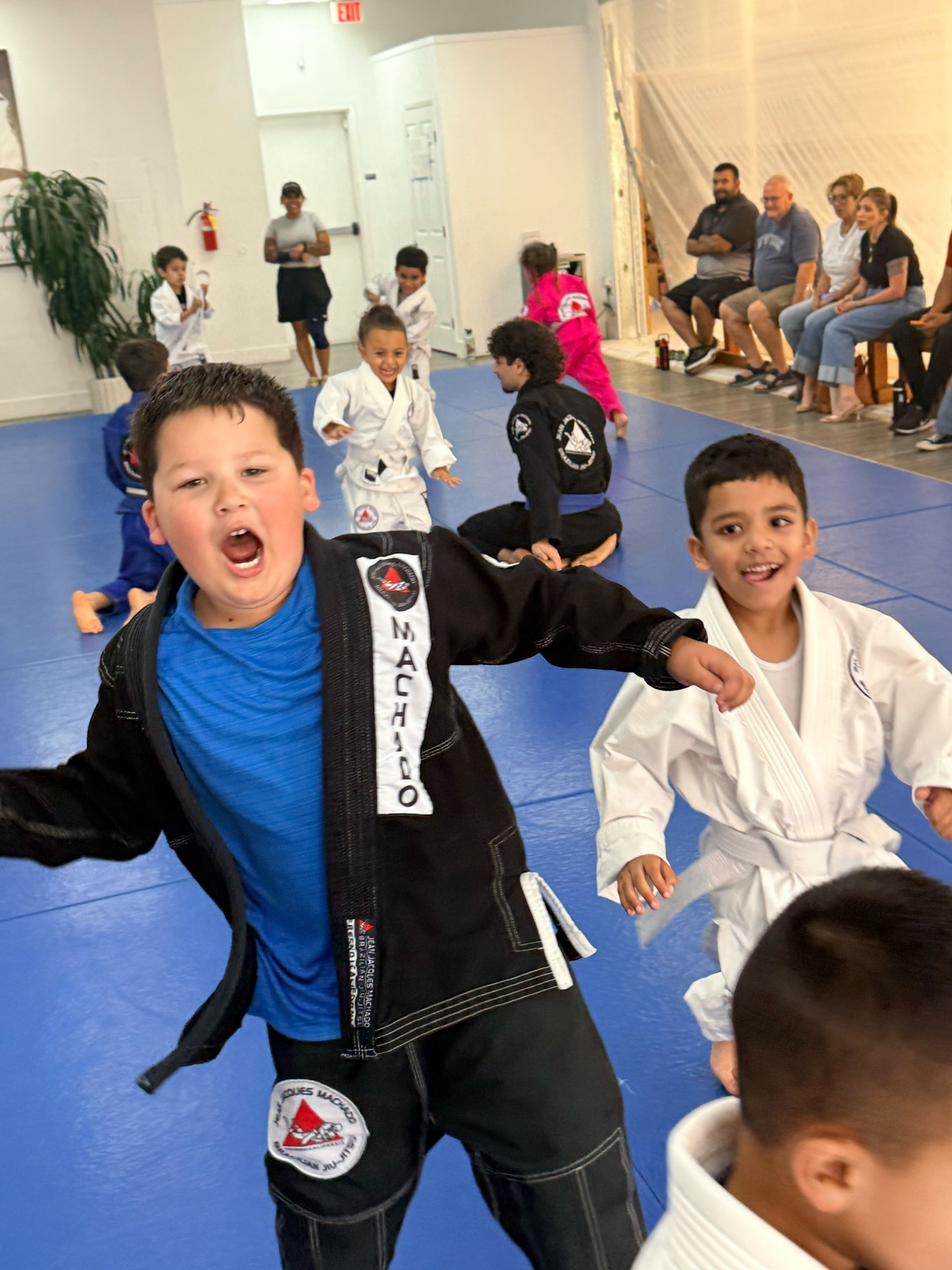
Just as important, we give students a healthy outlet. When kids are carrying stress, they need a way to release it without acting out. Martial arts offers that outlet while still demanding self-control.
What we teach that directly supports emotional resilience
We are careful about the words we use in class because kids absorb more than technique. If the message is only “win,” students can start tying self-worth to outcomes. Our approach emphasizes growth: learning, effort, and respectful training.
Listening and self-control are trained skills
Kids do not magically develop focus. They practice it. In class, students learn how to listen while excited, how to wait their turn, and how to follow directions even when they are tired. That is self-control in real time.
It is also a form of emotional regulation. When a student can pause, breathe, and re-engage instead of melting down, that is a mental health skill, not just “good behavior.”
Mistakes are part of the curriculum
One of the healthiest things we can normalize for kids is the idea that mistakes are expected. Techniques take time. Timing takes time. Confidence takes time.
We coach students to reset quickly after an error. That reset is where resilience grows. Over and over, a student learns: I can feel frustrated and still keep going. That lesson is hard to teach in a lecture. It is easier to teach through experience.
Partner training builds social confidence
Youth mental health is not only about what happens inside someone’s head. It is also about how they connect with others. Partner drills require communication, boundaries, and cooperation.
Students learn how to be a good training partner, how to handle close contact respectfully, and how to solve problems with another person instead of against them. That is a big deal for shy kids, anxious kids, or kids who are still figuring out social cues.
What a supportive kids program looks like in daily class
If you are considering martial arts classes in Fresno CA, it helps to know what you should be looking for beyond the basics. The environment matters as much as the technique.
Here is what we build into the day-to-day experience so training supports youth mental health, not just physical skill:
• Clear expectations at the start of class, so students know what “doing well” looks like
• Coaching that corrects behavior and technique without shaming, because kids learn faster when they feel safe
• Progressions that meet students where they are, so beginners do not get overwhelmed
• Partner pairings that prioritize safety, size, and temperament, not just convenience
• Positive reinforcement for effort, listening, and respectful conduct, not only for “being tough”
• Opportunities to lead in small ways, like demonstrating a drill or helping a newer student
Those details may sound simple, but together they create a training culture where kids can relax into learning. And when kids can relax, they can actually grow.
Common changes parents notice after a few months of training
We are careful not to promise a specific outcome for every child, because every kid starts in a different place. Still, patterns show up often enough that parents bring them up on their own.
More calm under pressure
A lot of students begin by reacting quickly, physically and emotionally. Training gives them a pause. They start to breathe, listen, and problem-solve. That “pause” is one of the most valuable mental health tools a young person can develop.
Better follow-through
When kids see that consistency matters, they begin to respect the process. You might notice more follow-through with homework, chores, or commitments. It is not perfection, but it is momentum, and momentum changes the tone at home.
Healthier confidence
This is not about swagger. It is about grounded confidence: posture, eye contact, speaking clearly, and being comfortable trying something new. Martial arts builds that kind of confidence because the learning is tangible.
How we keep training safe, positive, and age-appropriate
A good martial arts program should challenge students without pushing them into fear or chaos. Safety is physical, but it is also emotional.
Coaching and culture matter
We set the tone in every class. Respect is not optional. Students learn to work with partners, not bully partners. When someone gets frustrated, we coach the response, not just the technique.
That culture makes it easier for kids to take healthy risks, like trying a new move, asking for help, or returning after a tough day.
Progression beats pressure
We introduce skills progressively. New students need foundations: movement, balance, basic positions, and how to train safely with a partner. When kids learn in layers, anxiety drops. They can focus on what is in front of them instead of worrying about what they cannot do yet.
Communication with parents is part of the process
Parents know their child best. We welcome questions about readiness, class fit, and pacing. If your child is nervous, overwhelmed, or simply new to group activities, we can help you choose a starting point that feels doable.
Getting started: what to expect in your first weeks
Starting something new can be a big step for a kid. The first few weeks should feel structured and welcoming, not confusing.
Here is the general flow we recommend for new families joining our martial arts classes in Fresno CA:
1. Check the class schedule so you can pick consistent training days that match your child’s energy and school routine.
2. Arrive a little early so your child can settle in, meet the instructor, and feel the room before class begins.
3. Start with fundamentals and focus on listening and safe partner work, not rushing into advanced techniques.
4. Expect some nerves at first, then small wins, then a noticeable jump in comfort once the routine clicks.
5. Stay consistent for a few months so confidence can compound, because the mental benefits build with repetition.
That last point matters. Martial arts is not a quick fix. It is a steady practice, and the steadiness is exactly what many kids need.
Why this matters specifically for families in Fresno
Fresno is busy, spread out, and full of families juggling a lot. Many kids move between school, sports, screens, and packed schedules without a place to slow down and rebuild focus. Training gives them a space where the goal is simple: show up, learn, be respectful, and improve.
When youth mental health feels like a complicated puzzle, it helps to have one reliable anchor during the week. For many students, class becomes that anchor.
Take the Next Step
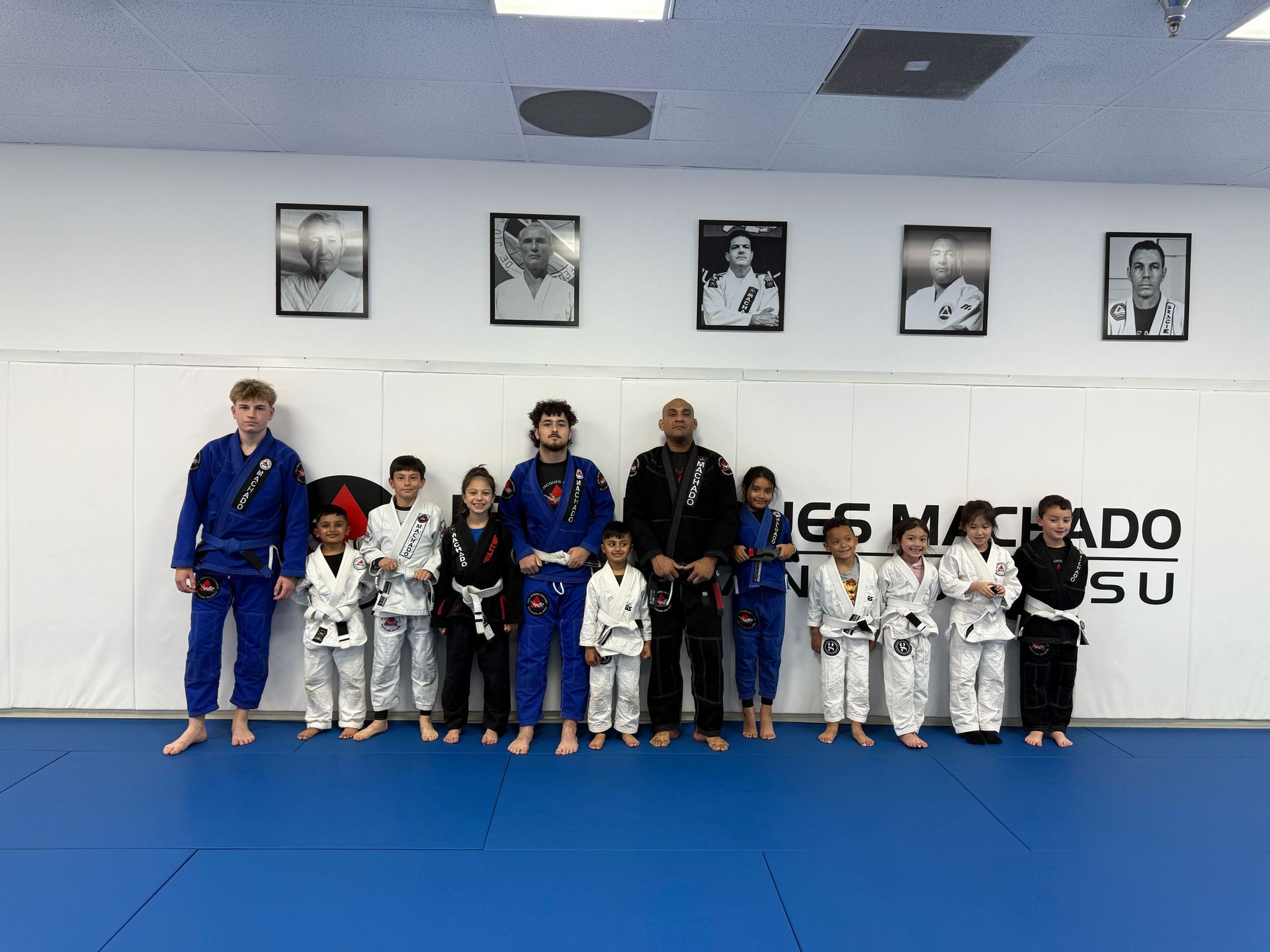
If you want your child to build confidence, discipline, and the ability to bounce back from setbacks, we have designed our programs to teach those skills through consistent, structured training. At Jean Jacques Machado Jiu-Jitsu Fresno, we focus on a safe, positive environment where kids learn how to listen, how to try again after a mistake, and how to work with partners respectfully.
You do not need your child to be naturally tough or naturally outgoing to get value from martial arts. You just need a supportive routine, good coaching, and a place where progress is measured in real skills and steady character growth.
Commit to steady progress and structured training by joining a martial arts class at Jean Jacques Machado Jiu-Jitsu Fresno.