When your mind feels busy and your shoulders never quite relax, training gives stress a clear place to go.
Stress is not just an emotion. It is a physical pattern you carry in your breathing, posture, and attention. In Fresno, busy workweeks, family demands, and nonstop screens can keep your nervous system switched on long after the day is over. That is where martial arts become more than a workout for you. Training gives your body a repeatable way to discharge pressure and rebuild steadiness.
We see it every week in our classes. You walk in tense, distracted, and a little unsure. You leave calmer, more focused, and strangely proud of yourself for doing something hard on purpose. That shift is not magic. It is a set of skills you can practice, measure, and keep.
Why martial arts works when stress management tricks fall short
Most stress advice is passive: breathe, journal, take a walk, try to think differently. Those are helpful, and we support them, but stress often lives in the body first. Martial arts meet stress where it actually shows up: elevated heart rate, tight grip, shallow breathing, and racing attention.
Training gives you controlled stress, then teaches you how to respond to it. You learn to stay present while your pulse climbs. You learn to solve problems under pressure. Over time, your nervous system stops treating every challenge like an emergency. That is how confidence starts: not as a motivational quote, but as a practiced response.
There is also a simple biological layer. Research on martial arts and related combat sports points to stress reduction through changes in stress hormones and mood regulation, including reductions in cortisol and improvements in mood-related neurotransmitters. When you train consistently, your body gets better at turning the stress dial down after it goes up.
The Fresno factor: why consistency matters more than intensity
If you are starting martial arts in Fresno, the biggest win is not going all-out once. It is showing up twice a week, then keeping that rhythm through the months when life gets messy. Confidence is built on evidence, and your brain collects evidence through repetition.
We design our training environment so you can build that consistency without needing to be “tough” on day one. You can come in after work, tired and a little stiff, and still make progress. Some days your win is learning one detail. Other days it is realizing you stayed calm in a position that used to spike your anxiety.
The goal is not to replace your life with training. The goal is to make training the part of your week that steadies everything else.
How stress turns into skill on the mats
You learn to breathe on purpose, not by accident
When people feel stressed, breathing gets shallow and fast. In martial arts, that pattern gets exposed quickly because you can feel how it affects your timing and decisions. We coach you to notice it and correct it. You practice exhaling during effort, relaxing your face and shoulders, and keeping your attention on the immediate task.
That kind of breathing is not only for class. Once you have felt the difference between panicked breathing and controlled breathing, you can use it in traffic, at work, or before a difficult conversation. It is one of the first “off-the-mat” confidence skills most students keep.
You practice staying calm while being uncomfortable
Confidence is often misunderstood as feeling fearless. Real confidence is being able to act even when you feel pressure. Martial arts put you in uncomfortable positions in a safe setting, then teach you how to respond with technique instead of flailing.
This matters because stress teaches avoidance. Training teaches engagement. You learn that discomfort has layers and exits. You stop seeing tough moments as a dead end and start seeing them as a problem you can solve.
You build trust in your own decision-making
In class, you get immediate feedback. A technique works or it does not. Your timing is right or it is late. That honest feedback loop builds self-trust fast because progress becomes specific. You are not guessing whether you are improving. You can feel it.
Over time, that self-trust carries into daily life. You begin to believe you can figure things out, because you have done it a hundred times under pressure.
Confidence that lasts is built in small milestones
Big transformations usually come from small checkpoints stacked together. In martial arts classes in Fresno CA, the students who change the most are often the ones who celebrate the quiet wins:
• Coming to class even when motivation is low, because the habit matters more than the mood
• Remembering a detail from last week and applying it without being reminded
• Staying relaxed in a difficult position long enough to try a real escape
• Asking a question out loud instead of staying silent and confused
• Noticing you recover faster after a hard round, physically and mentally
Each of those moments is proof. Your brain takes that proof and starts to replace the old story of “I can’t handle this” with “I can handle more than I thought.”
What to expect in our martial arts classes in Fresno CA
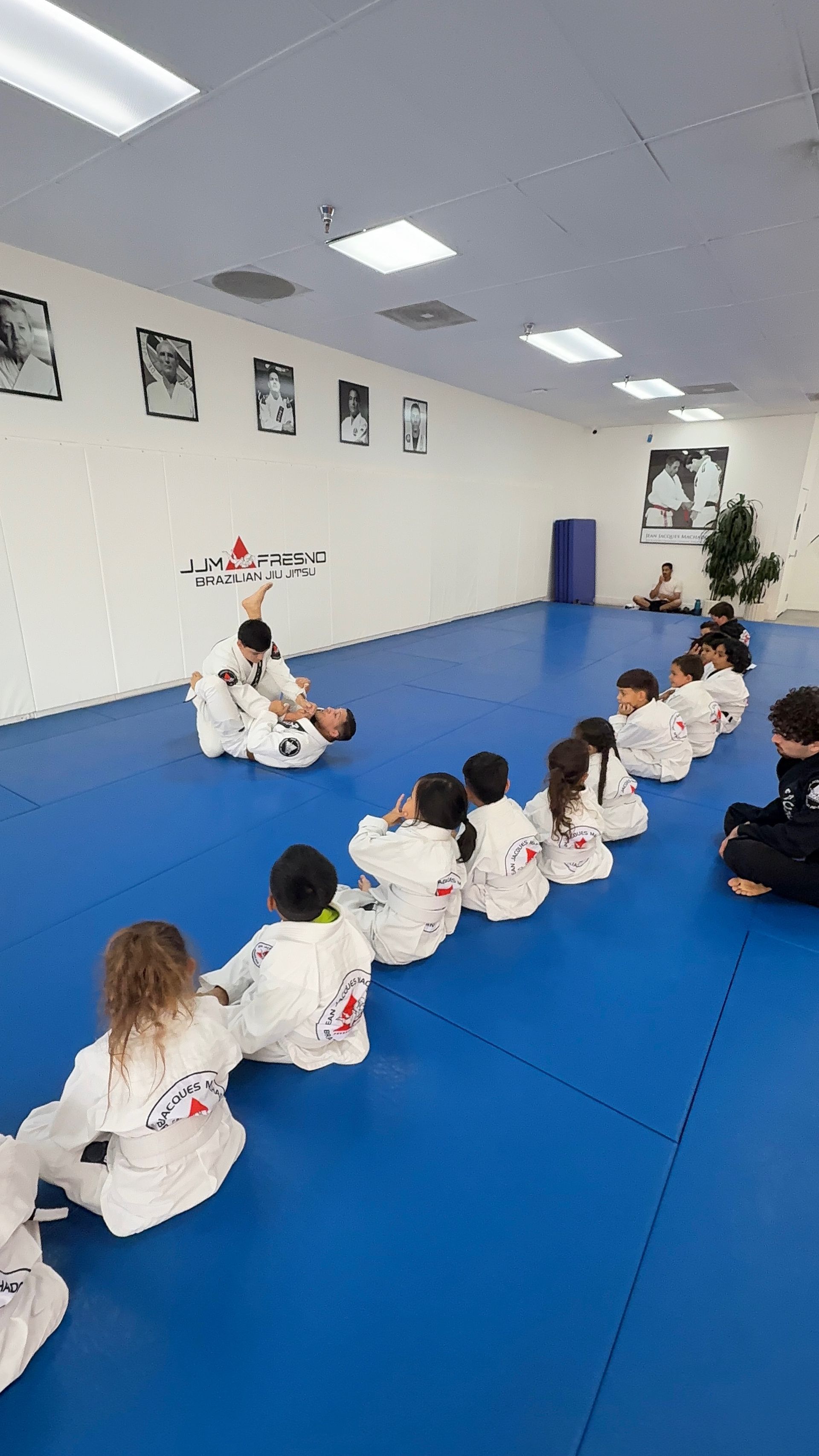
Walking into a new training space can feel intimidating, especially if stress is already high. We keep the structure clear so you can settle in quickly. You will know what the class is focused on, what the expectations are, and how to participate at your level.
A typical class flow
While every class has its own emphasis, most sessions follow a familiar rhythm so you can learn faster and feel safer:
1. Warm-up that prepares your joints and raises your heart rate gradually
2. Technical instruction where we break down positions and movements step by step
3. Partner drills to build timing and accuracy with control
4. Live training rounds scaled to your experience, with coaching and boundaries
5. Cool down and quick reflection so you leave feeling clear, not scattered
This progression matters for stress. You start with movement, then add complexity, then pressure, then recovery. That is exactly how you teach a nervous system to adapt.
Beginner-friendly does not mean watered down
We meet you where you are, but we do not treat you like you are fragile. We teach real mechanics, real problem-solving, and real control. The difference is pacing and clarity. You will get the details that keep you safe and make the training feel doable.
If you have not trained before, you do not need to “get in shape first.” Training is how you get in shape, and it is also how you build the calm focus you have been missing.
Why community is a hidden stress-reducer
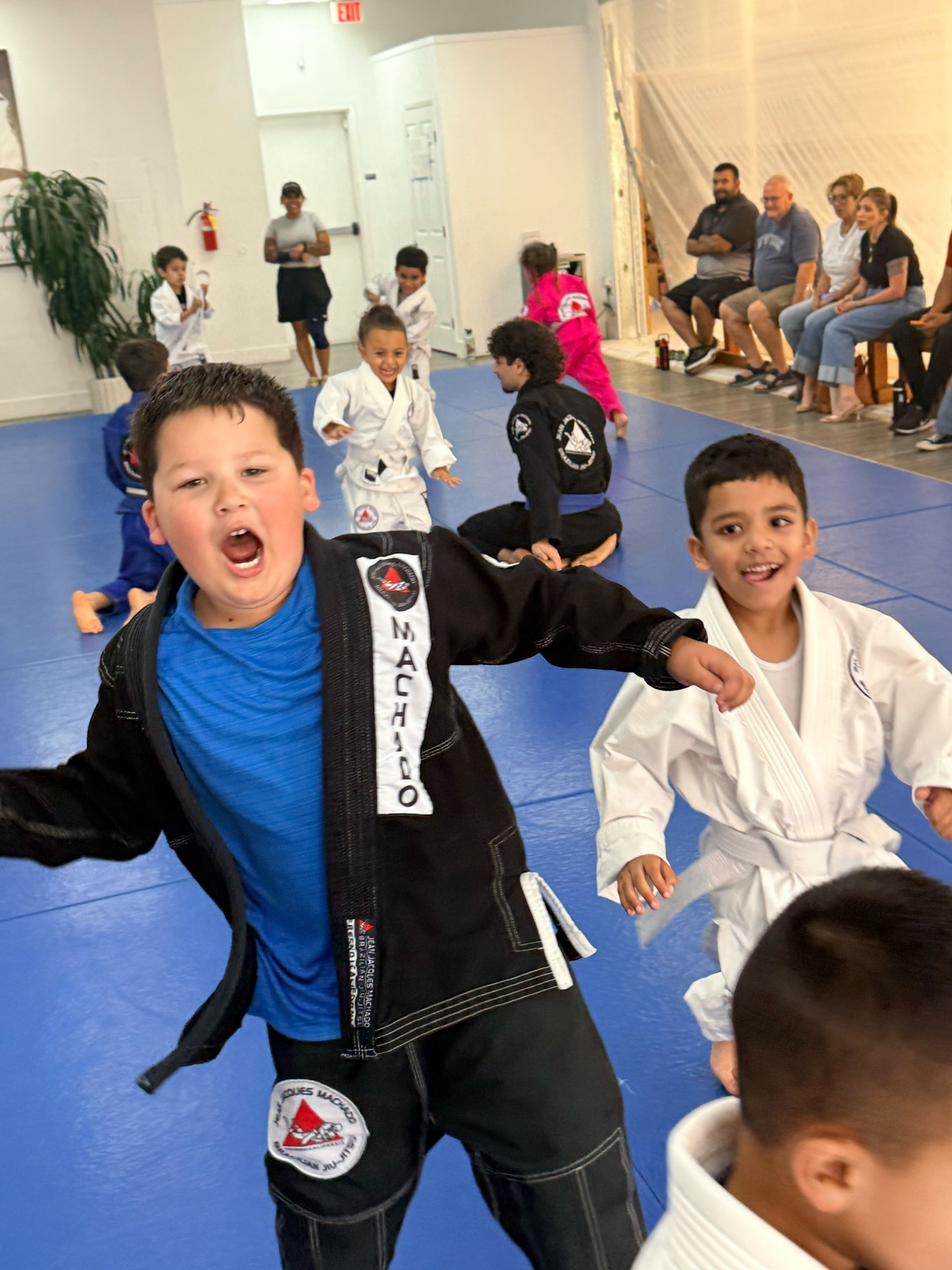
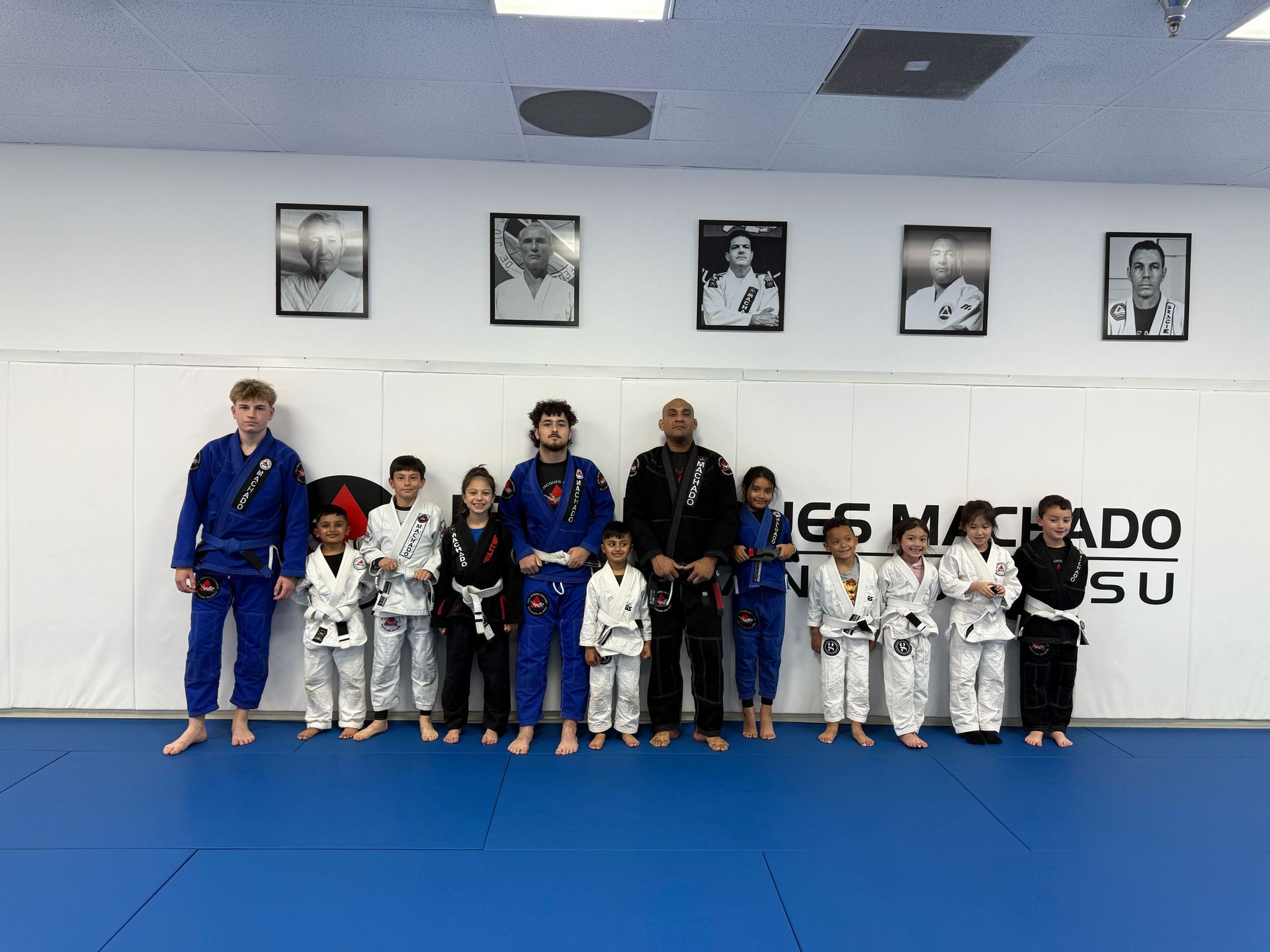
Stress tends to isolate people. You get busy, you cancel plans, and suddenly you are carrying everything alone. Martial arts in Fresno can become a steady point of connection that does not require small talk or perfect social energy. You show up, train with people who are also working on themselves, and you leave with a shared sense of effort.
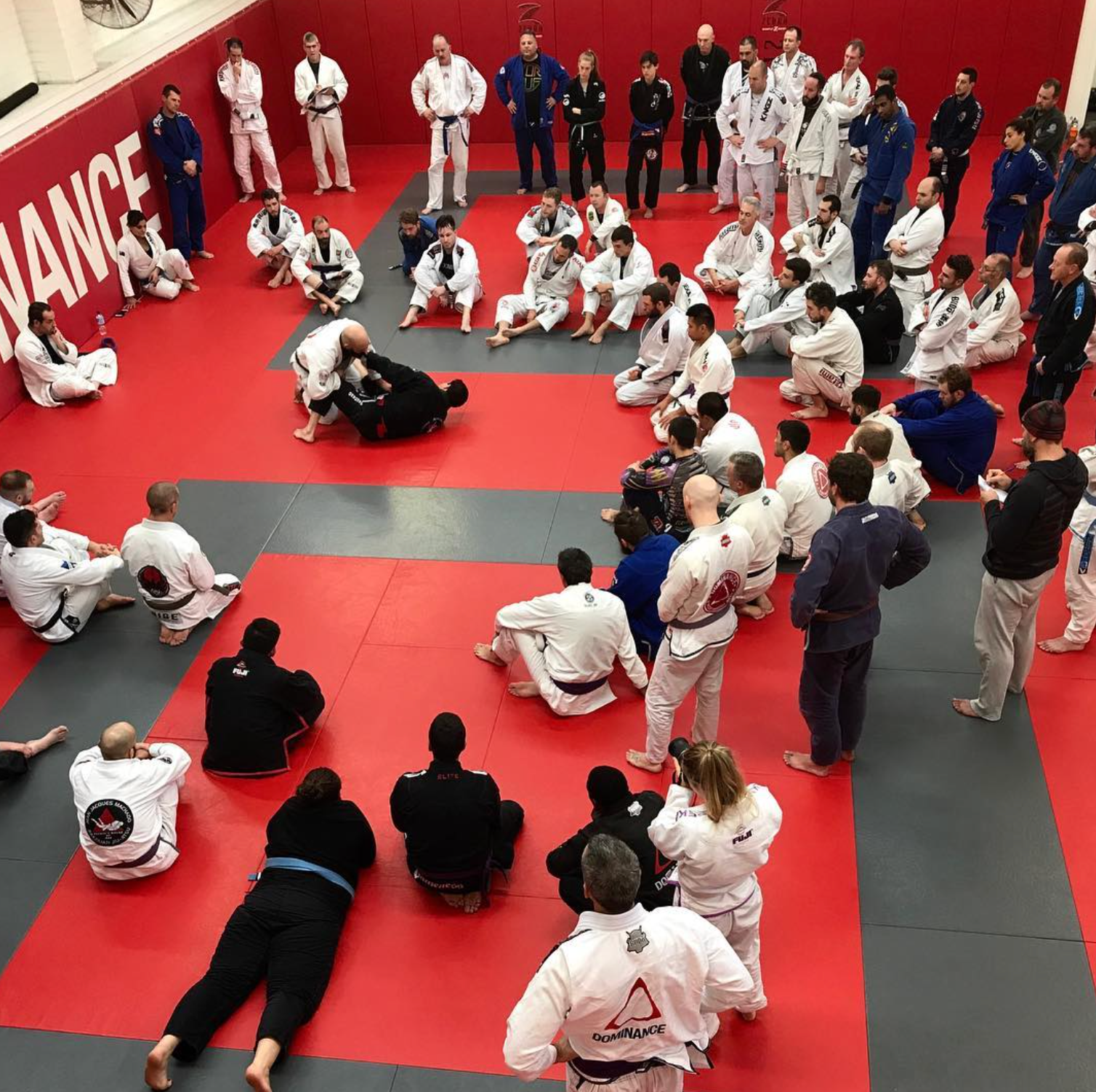
There is research support for this, too: structured group training and peer support reduce isolation and increase belonging, both of which help buffer stress. In plain language, it helps to be around people who understand progress, setbacks, and the long game.
We keep the training culture respectful and practical. You can be competitive with yourself without feeling like you have to prove something to the room. That kind of atmosphere is where confidence grows without the ego baggage.
Resilience is not personality, it is practice
Some people look “naturally confident,” but resilience is usually trained. Studies of martial artists show higher scores in resilience dimensions like control and challenge, meaning trained individuals tend to feel more able to influence outcomes and view difficulty as something to engage with rather than avoid.
That is what we aim to build through progressive training: your ability to stay steady, make adjustments, and keep going. When you practice that weekly, it stops being something you do only in class. It becomes part of how you handle your day.
Stress, self-defense, and the feeling of personal agency
A lot of stress comes from feeling helpless: in your schedule, in your health, in your boundaries. Martial arts restore a sense of agency. You learn how to move your body with purpose, how to control distance and position, and how to stay composed when something feels unpredictable.
Even if your main goal is fitness or stress relief, self-defense skills add a specific kind of confidence. It is not paranoia. It is preparedness. It is the quiet knowledge that you have tools and you have practiced using them with resistance.
Common concerns we hear, and what actually happens
You do not need to be young, athletic, or aggressive to start. Those are assumptions that keep people stuck. Training is scalable, and our job is to coach you into progress without letting stress become the boss of your decisions.
If you are worried about looking awkward, you are normal. Everyone starts awkward. If you are worried about getting hurt, you are thinking responsibly, and we treat safety as a skill, not an afterthought. If you are worried you will not “fit in,” remember this: people who train are usually too busy working on their own improvement to judge yours.
Take the Next Step
Building steady confidence is not about eliminating stress from your life. It is about giving stress a productive outlet and learning how to respond when pressure shows up. That is exactly what we train for, and it is why the benefits of martial arts often reach far beyond the mat.
If you want a place to practice focus, resilience, and real skill in a supportive setting, we would love to help you get started at Jean Jacques Machado Jiu-Jitsu Fresno. You can use the website and the class schedule to choose a pace that fits your life, then let the training do what it does best: turn effort into lasting confidence.
No experience is needed to begin. Join a martial arts class at Jean Jacques Machado Jiu-Jitsu Fresno today.