
If you have been curious about martial arts but do not know where to begin, Brazilian Jiu-Jitsu gives you a clear first step and a path you can actually stick with.
Starting martial arts can feel oddly intimidating, even when you are excited. Most beginners in Fresno tell us the same thing: you want practical self-defense and better fitness, but you do not want to get thrown into the deep end on day one.
That is exactly why we built our beginner Brazilian Jiu-Jitsu program the way we did. You do not need a background in sports, you do not need to be “in shape,” and you do not need to know what half the positions are called yet. You just need a willingness to learn and a little consistency.
In this guide, we will walk you through what to expect, how to prepare, and how to choose a training routine that fits real life in Fresno, from work schedules to family commitments.
Why Brazilian Jiu-Jitsu is a Smart Starting Point for Martial Arts in Fresno
When people search for martial arts in Fresno, the options can feel overwhelming. But if your goal is something practical, Brazilian Jiu-Jitsu (BJJ) stands out because it is built around control, leverage, and problem-solving, not just athleticism.
BJJ is also having a big moment nationally. Adult grappling enrollments have been growing roughly 15 to 20 percent in recent years, driven by the visibility of MMA and the fact that more people want training that feels real and usable. We see the same trend locally: busy professionals and parents want an efficient workout that also builds confidence and self-defense skill.
For Fresno specifically, that practicality matters. People want to feel more capable in everyday situations, whether that means walking to the car at night, setting stronger personal boundaries, or simply having the calm that comes from knowing you can handle yourself.
What Beginners Usually Worry About (And What Actually Happens)
Most first-timers do not say it out loud, but the worries are consistent. Will you be the only beginner? Will you get hurt? Will everyone be younger, stronger, faster? These are normal concerns, and we plan for them.
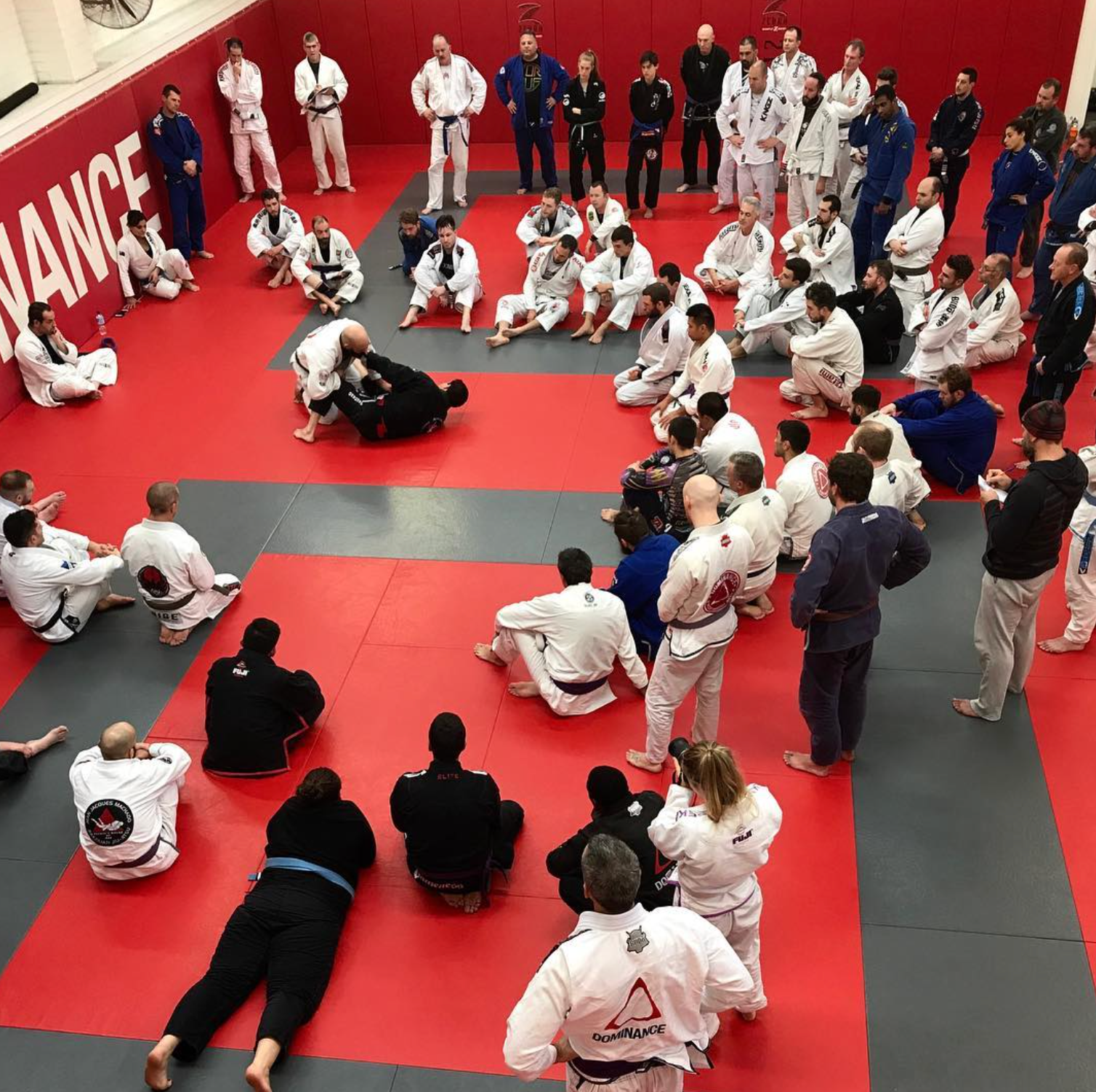
The reality is that beginners are always part of our mat. We coach in a way that assumes you are new, and we treat safety as a skill you learn from day one. That means controlled training, clear rules around tapping, and partners who understand that helping you improve is part of the culture.
Here are the most common beginner questions we hear, with the honest version of the answer:
• Do you need to be fit to start martial arts? No. Training is what helps you get fitter, and BJJ is technique-first, so you can progress without relying on strength.
• Is it awkward at first? A little, yes. Learning to move your body in new ways always is, but that phase passes quickly.
• Will you spar on day one? We scale everything. You will learn positions and drills first, and live training is introduced in a controlled way.
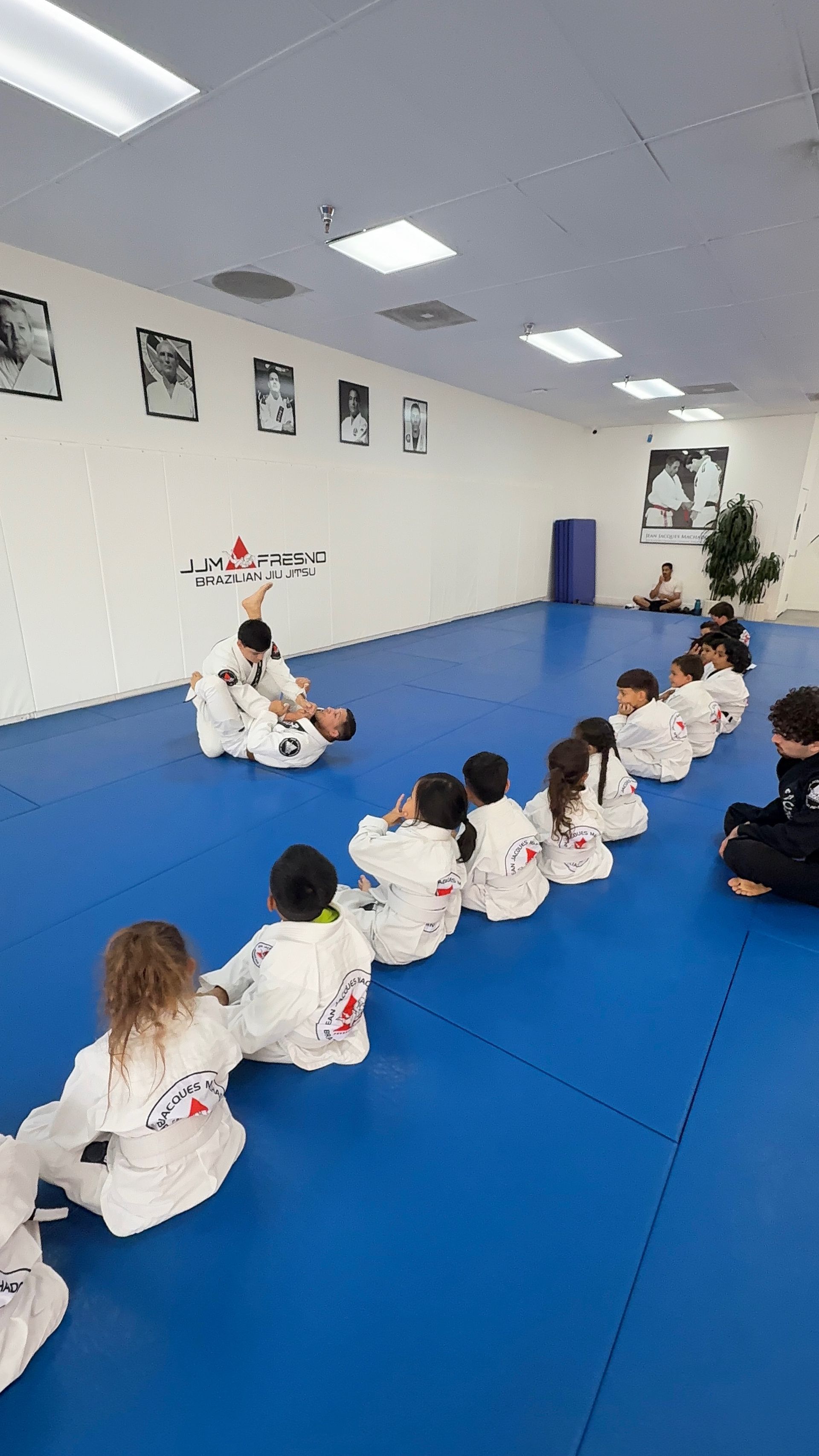
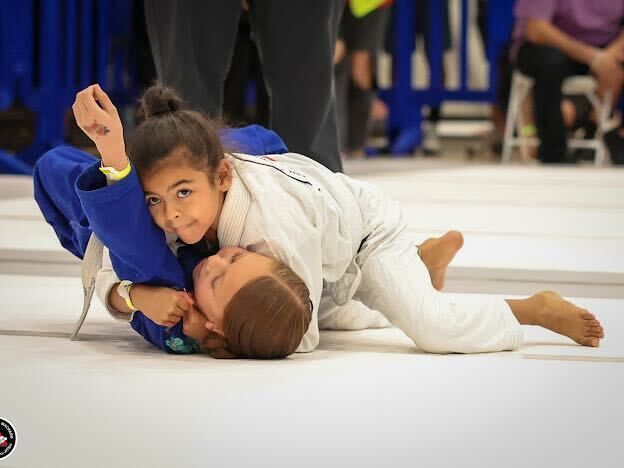
• Is it safe for kids? Yes, when it is structured correctly, with supervision and age-appropriate instruction focused on control and teamwork.
What a Beginner BJJ Class Looks Like (So You Can Walk In Calm)
Not knowing what a class looks like is a big barrier. Once you can picture it, it becomes easier to show up.
A typical beginner-friendly session runs about 60 to 90 minutes and follows a predictable rhythm. We keep it structured because structure lowers anxiety and improves learning.
Our typical class flow
The vibe is focused, but not chaotic. You will sweat, but you will also think. That is part of why BJJ works so well as martial arts training for adults who like clear progress.
What You Will Learn First (And Why It Matters for Self-Defense)
Beginner training should not be random. We start with fundamentals that create immediate safety and long-term skill.
Early on, you will learn how to protect yourself when someone is close, how to escape bad positions, and how to control distance. In real life, many confrontations end up in a clinch or on the ground. BJJ prepares you for that reality by teaching you how to stay calm and make smart decisions under pressure.
Your first phase typically emphasizes:
Foundational skills we build in our beginner program
- How to fall and move safely, including hip escape and base, so you do not panic when off-balance
- Positional awareness, so you understand when you are safe, when you are at risk, and what to fix first
- Escapes from common positions, because self-defense begins with getting out of trouble, not “winning”
- Simple control and pins that rely on leverage, helping smaller students succeed without needing strength
- Basic submissions taught responsibly, with a strong focus on tapping early and partner safety
This approach also supports mental health benefits that many people do not expect. The concentration required in class tends to reduce stress, and the steady progression can feel grounding, especially when life is busy.
Kids and Teens: Confidence, Anti-Bullying Skills, and Character
Kids programs have grown fast in California, and it makes sense. Parents want more than just an after-school activity. You want your child to be confident, disciplined, and able to handle uncomfortable situations without freezing.
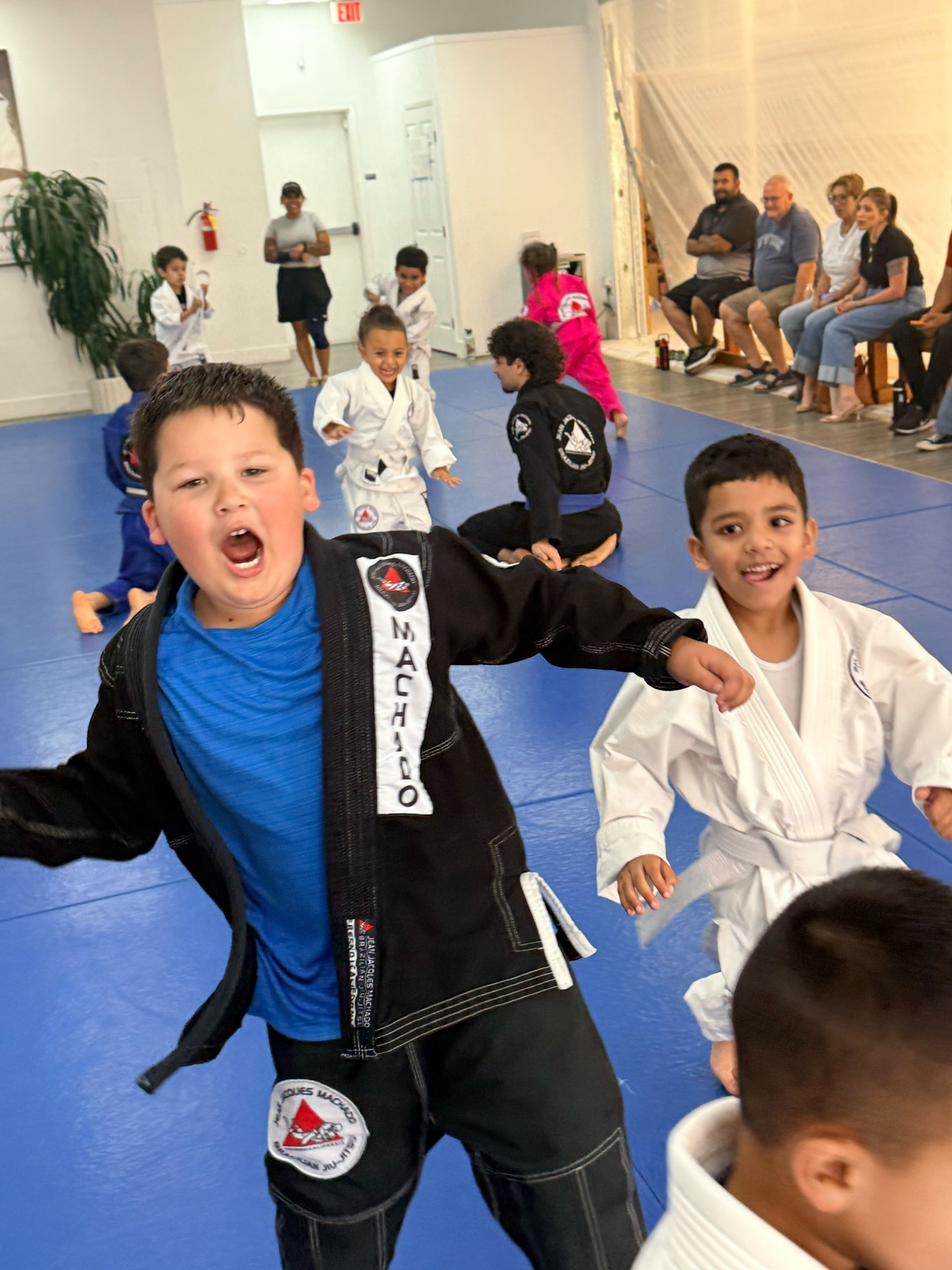
Our youth training is designed to be fun, structured, and safe. We use age-appropriate drills and a positive coaching style, but we still keep it real. That means your child learns body awareness, respectful boundaries, and practical responses to common bullying scenarios like grabs, pushes, and getting knocked off balance.
We also see a pattern: kids who train consistently often improve in focus and emotional regulation. That is not magic, it is practice. When kids learn to breathe, listen, and solve problems physically, that skill spills into school and home.
How to Choose a Training Schedule You Will Actually Maintain
The best martial arts program is the one you can do consistently. Beginners often overcommit and burn out. We would rather see you train two or three days a week for months than go hard for two weeks and disappear.
Here is a simple way to build a sustainable routine:
1. Start with two classes per week for the first month so your body adapts and you learn the vocabulary of movement.
2. Add a third class when you feel recovery improving and techniques are starting to “click.”
3. Keep one or two rest days between harder sessions, especially if you sit a lot for work or have old injuries.
4. Ask us which class times fit your goals, because different sessions may emphasize fundamentals, drilling, or rolling.
5. Track one small win per week, like an escape you finally remembered, so progress feels real.
If you are training as a family, consistency can actually be easier. When training is part of the weekly rhythm, it stops feeling like “extra” and starts feeling like a normal, healthy habit.
What to Wear, What to Bring, and How to Prepare for Day One
You do not need fancy gear to start martial arts classes in Fresno CA, but a little preparation helps.
For your first class, we will guide you on what to wear depending on whether you are starting in gi training or a no-gi style session. Either way, clean athletic clothing, trimmed nails, and basic hygiene matter. Grappling is close contact, and those small details are part of respect for training partners.
A few practical tips that make day one smoother:
- Show up 10 to 15 minutes early so you can orient yourself, meet the coach, and settle nerves a bit
- Eat lightly one to two hours before class and bring water
- Expect to feel sore in new places, especially your grips and core, but it should be “worked out” sore, not injured
- Focus on learning, not winning, because beginners improve fastest when ego stays out of it
Safety, Tapping, and Training With Confidence
Safety in BJJ is not an afterthought. It is built into how we teach.
You will hear us talk about tapping early. Tapping is how you communicate. It is not a loss, it is how you stay healthy enough to train next week. We also match partners thoughtfully and keep rolling controlled, especially for new students.
If you have previous injuries or concerns, tell us. We can modify positions, adjust intensity, and help you build strength and mobility over time. Martial arts should improve your quality of life, not beat you up.
Progress, Belts, and the Long Game (What We Prioritize)
A lot of people secretly worry about how long it takes to get good. The truth is, everyone progresses differently, and that is normal. We focus on steady improvement, not shortcuts.
You will notice progress in layers:
- First you learn names and shapes of positions
- Then you survive longer without feeling lost
- Then you start escaping with intention
- Then you start setting traps and timing
- Then you realize you are calmer under pressure in normal life, too
This is one reason BJJ attracts adults who never felt “athletic.” The feedback loop is honest. You practice, you improve, and the mat does not lie.
Take the Next Step with Jean Jacques Machado Jiu-Jitsu Fresno
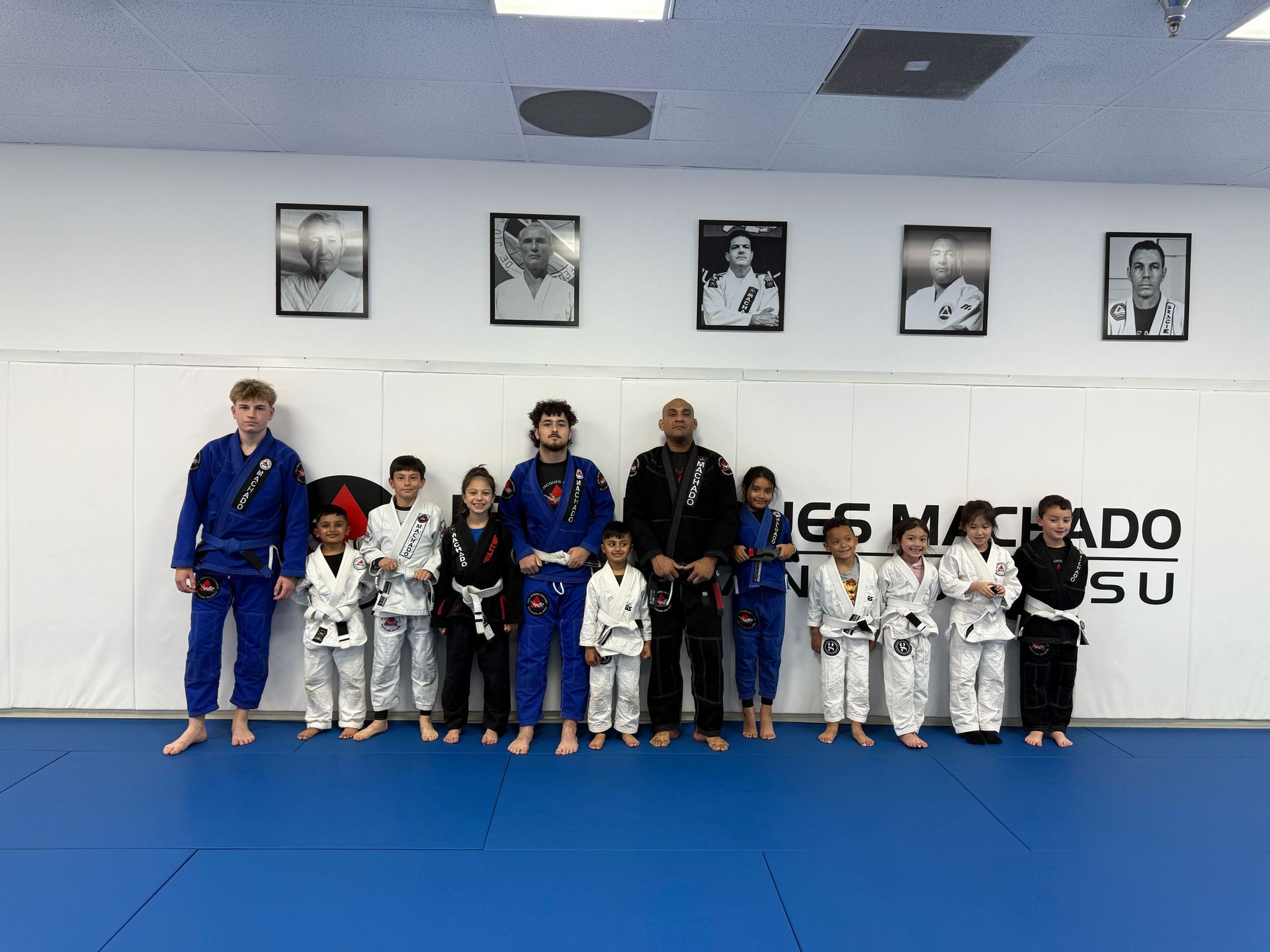
Building real skill in martial arts comes from a smart structure, supportive coaching, and an environment where beginners are genuinely welcome. That is the experience we work to create every day, and it is why our students stick with training long enough to see real transformation.
If you are ready to begin, we would love to help you start with a clear plan, a safe first class, and training that fits your schedule. You can learn the fundamentals, build confidence, and develop practical self-defense skills with us at Jean Jacques Machado Jiu-Jitsu Fresno.
Take your first step toward structured martial arts training at Jean Jacques Machado Jiu-Jitsu Fresno.