Starting martial arts in Fresno is less about being tough on day one and more about finding a process you can stick with.
If you have been thinking about martial arts, you are in good company. Over the past few years, more Fresno adults and families have been looking for training that feels practical, welcoming, and worth showing up for after a long workday. We see that shift every week on our mats: people want real skill, real fitness, and a place that does not feel intimidating.
For beginners, the biggest challenge is not learning a technique. It is knowing what to expect, how to prepare, and how to choose training that matches your goals. We built this guide to answer the questions we hear most from first-timers exploring martial arts in Fresno, especially adults looking for a smart entry point that does not require an athletic background.
Why martial arts is booming in Fresno right now
Martial arts training has always been around, but the reasons people start have changed. These days, many beginners want self-defense that works under stress, plus fitness that does not feel like mindless reps. Just as important, people want community, because motivation is easier when familiar faces notice when you show up.
Fresno is also a city where daily life can be a mix of family schedules, commuting, and crowded gyms. Training becomes a structured hour that belongs to you. You come in, learn something specific, sweat a bit, and leave with your mind quieter than when you arrived. That mental reset is a real benefit, even if you do not think of it as the main reason you are starting.
For adults between about 25 and 45, we have noticed a clear preference for beginner-friendly classes that emphasize technique first. Many new students also want a safe, respectful training environment, and we welcome a growing number of women who want practical self-defense skills and the confidence that comes from learning how to control distance, balance, and leverage.
What beginners usually get wrong about starting
A lot of people delay their first class because of assumptions that do not hold up in real training. Here are a few we clear up early.
You do not need to get in shape before starting. Training is how you get in shape. If you can move, breathe, and pay attention, you are ready.
You do not have to be aggressive to be effective. Good training is calm, technical, and controlled. The goal is to build skill you can rely on, not hype.
You do not need to be fearless. Being nervous is normal. Most beginners are thinking the same thing: Will I look awkward? We keep the environment supportive so you can focus on learning, not performing.
You do not have to spar hard on day one. We introduce intensity in a progressive way. You earn confidence through repetition, not through getting tossed into the deep end.
Why Brazilian Jiu-Jitsu is a smart starting point for many beginners
There are many styles within martial arts, but Brazilian Jiu-Jitsu tends to be especially beginner-friendly when it is taught with structure. It is a grappling art built around leverage and control. That matters because it means your progress is not dependent on being the biggest, fastest person in the room.
In beginner training, we focus on positions and concepts that show up repeatedly: base, posture, frames, and how to stay safe while you learn. You will hear terms like guard, mount, side control, and back control, but you do not need to memorize everything at once. We teach in layers, so the basics actually stick.
BJJ also fits modern self-defense goals well. Real situations can be chaotic and close-range. Learning how to stay balanced, protect yourself, and escape pins can be practical knowledge, especially for adults who want something realistic, not choreographed.
What your first class will feel like
Most first classes follow a rhythm that is designed to help your body and brain adapt.
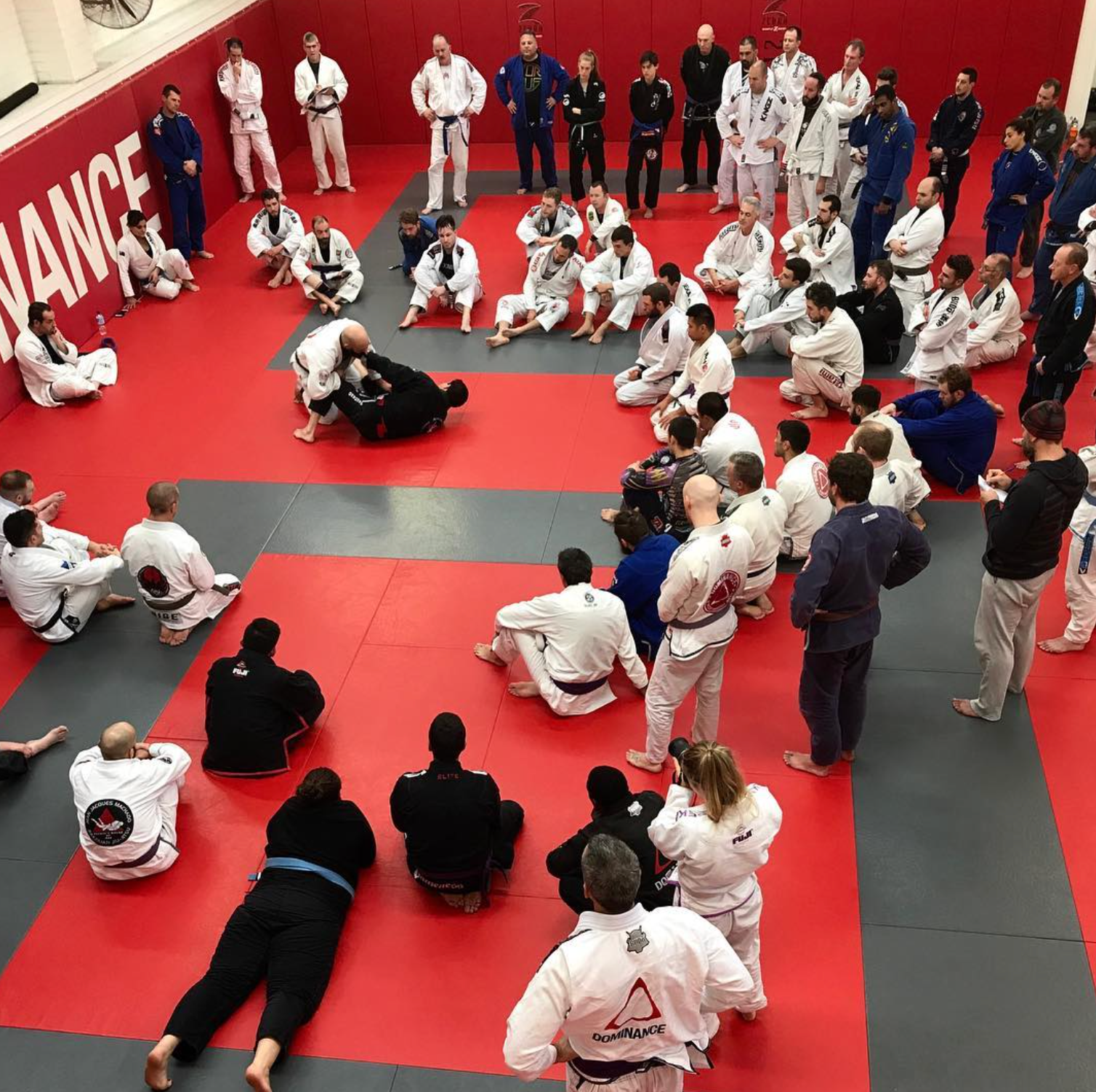
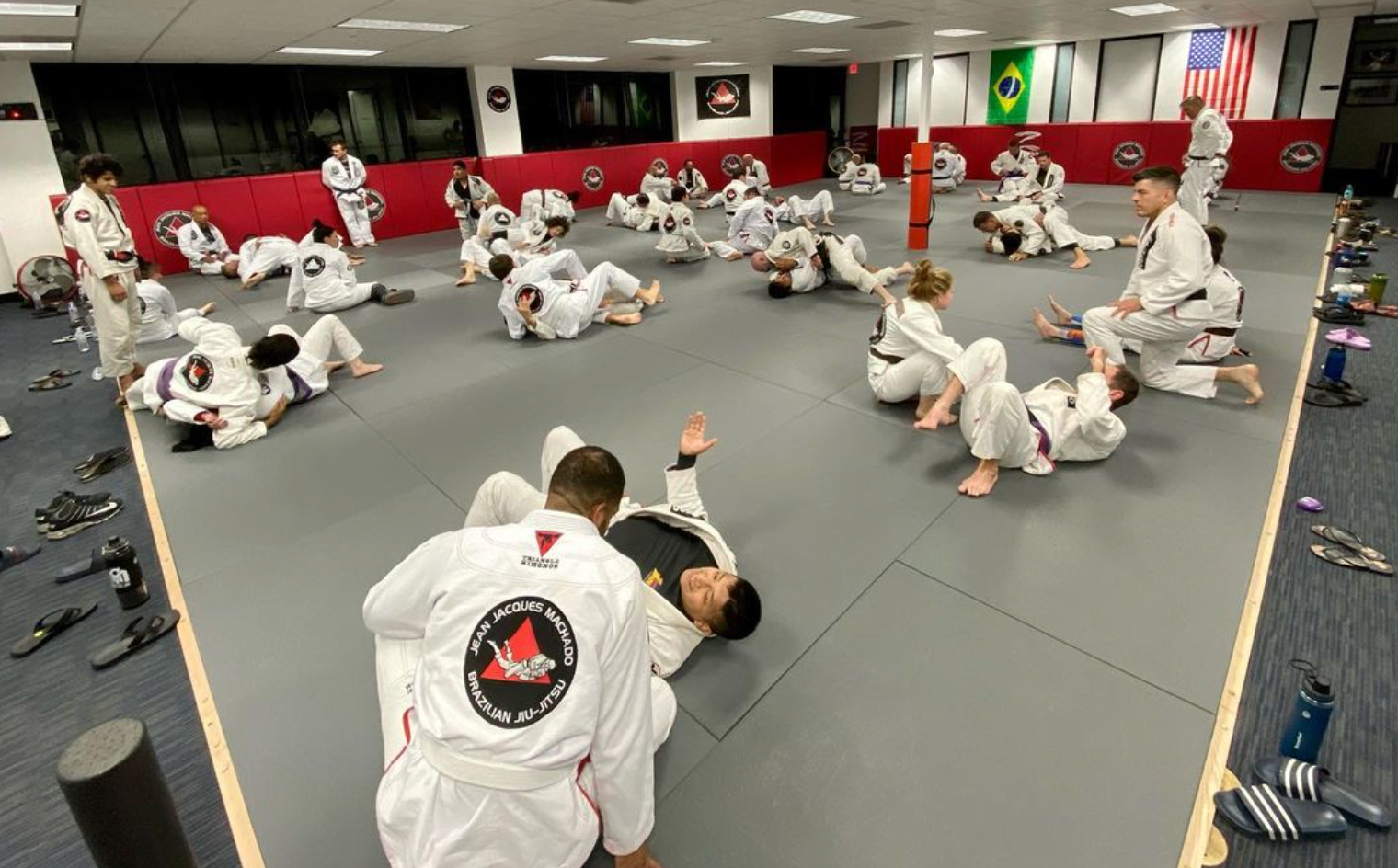
We usually start with a warm-up that prepares your joints and gets your heart rate up without trying to exhaust you. Then we teach a technique or a small sequence, usually tied to a position you will see often. After that comes drilling, where you repeat the movement with a partner. This is where real learning happens. Finally, depending on the day and your comfort level, there may be live training (often called rolling) with clear safety rules and a controlled pace.
Expect a lot of small wins. The first time you do a technical stand-up cleanly, it feels oddly satisfying. The first time you escape a pin, you will probably surprise yourself. Those moments add up.
And yes, you will feel a little clumsy at first. That is not a flaw. That is the process working.
How to prepare for your first week (without overthinking it)
You do not need a complicated shopping list or a perfect plan. You need a few basics handled so you can relax and learn.
1. Show up a little early so you are not rushed and can ask questions.
2. Wear comfortable athletic clothes if you do not have a gi yet.
3. Bring water and plan to hydrate before class, not just after.
4. Trim nails and remove jewelry for safety and comfort.
5. Come with one goal: learn one thing you did not know yesterday.
That is it. You can add gear later. You can add extra training days later. Starting simple is usually what makes people consistent.
Safety, tapping, and injury prevention: what beginners should know
If you are new to martial arts, safety might be the biggest unknown. We treat it as a skill, not an afterthought.
Tapping is the clearest example. In BJJ, tapping is how you communicate, “Stop, I am done here.” It is not losing. It is training correctly. You can tap with your hand, or you can say “tap” out loud if your hands are trapped. We teach beginners to tap early and often while learning, because safety is what keeps you training long enough to get good.
A few more fundamentals help keep training sustainable:
- Move at a pace where you can breathe and think, especially early on
- Focus on technique before strength, because tension creates injuries
- Tell us about old injuries so we can help you modify intelligently
- Prioritize consistency over intensity, because the body adapts over time
When you train in a structured environment, you can challenge yourself without feeling like you are gambling with your joints.
What progress really looks like (and why belts should not be rushed)
Beginners often want a timeline: How long until I feel confident? How long until I earn a belt? We get it. You want proof you are improving.
But real progress in martial arts shows up first in your decisions, not in your rank. You start noticing posture. You start staying calmer in bad positions. You stop panicking when someone is heavy on top. That is a major upgrade, and it happens before anything visible.
We also believe belts should mean something. Promotions should reflect ability, not attendance. When you earn progress the right way, you trust it, and that trust changes how you carry yourself off the mat too.
Adult training goals we see most in Fresno
When adults look for adult martial arts in Fresno, the goals usually fall into a few categories, and it is common to have more than one.
Self-defense is a big one, especially for people who want to feel less helpless in unpredictable situations. Fitness is another, but many adults specifically want functional fitness: stronger hips, better grip, better conditioning, and more mobility, not just a mirror-based routine.
Stress management comes up constantly. Training demands focus in a way that pushes work noise out of your head for a while. You cannot worry about your inbox while you are learning balance and timing.
And then there is community. People stay because training partners become friends. You start recognizing the same faces, and you feel accountable in a good way.
Women and self-defense: what matters most in training
For women starting martial arts, the main request we hear is simple: make it practical, and make it respectful. We agree.
A good program does not rely on strength differences or unrealistic setups. It teaches you how to create space, how to break grips, how to stand up safely, and how to control positions long enough to escape or get help. Confidence grows when you feel techniques working against real resistance, gradually and safely.
We also keep the training culture supportive. You should never feel like you have to prove you belong. You belong because you showed up, and we will help you build from there.
Kids training and family benefits (even if you are starting for yourself)
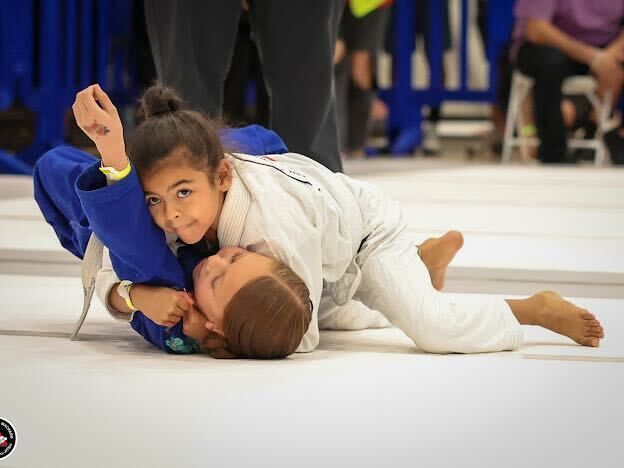
Even if you are an adult looking for your own training outlet, it helps to know that martial arts can fit into a family routine. Fresno families often want an activity that builds discipline without being harsh, and confidence without encouraging bullying.
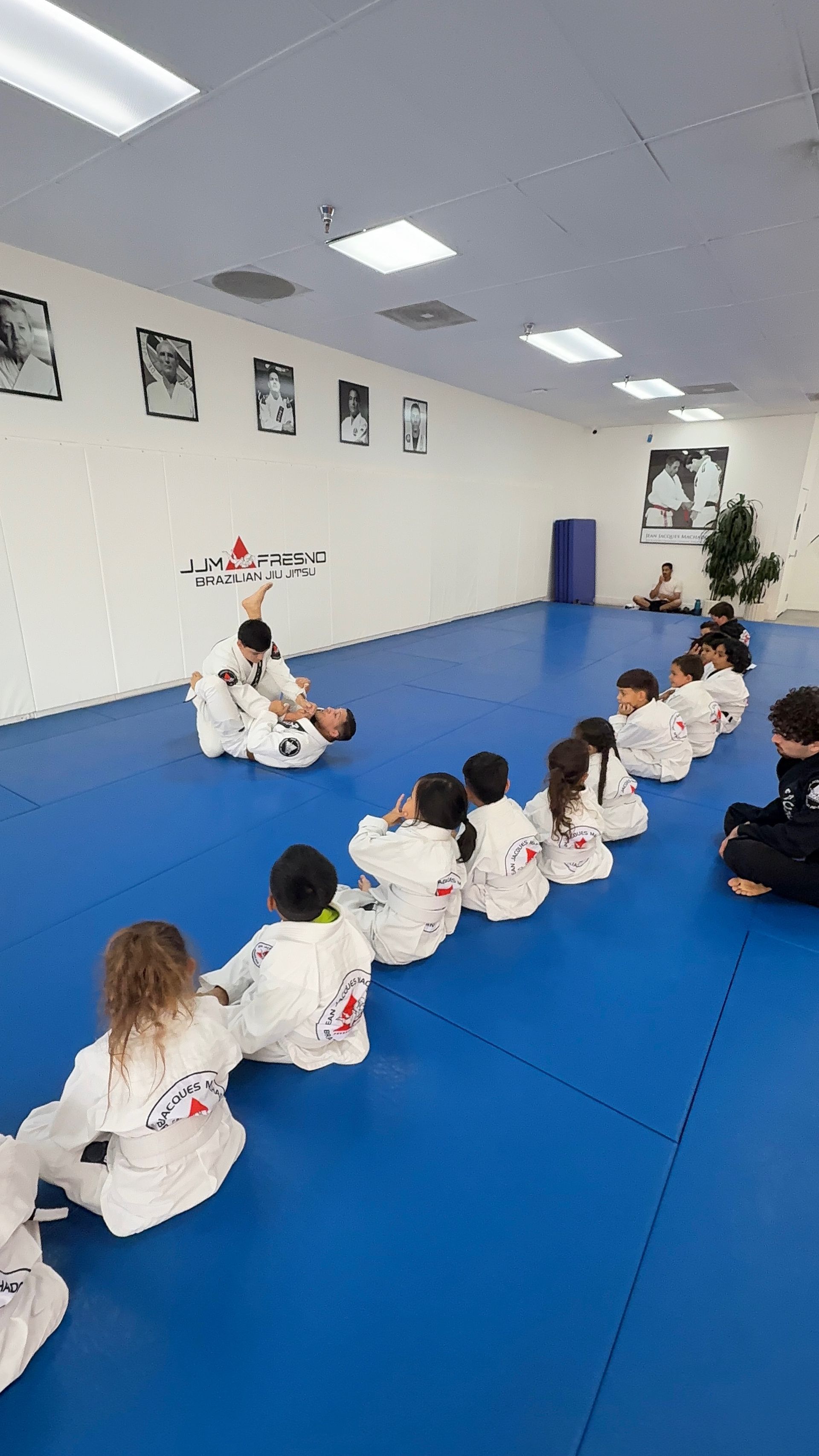
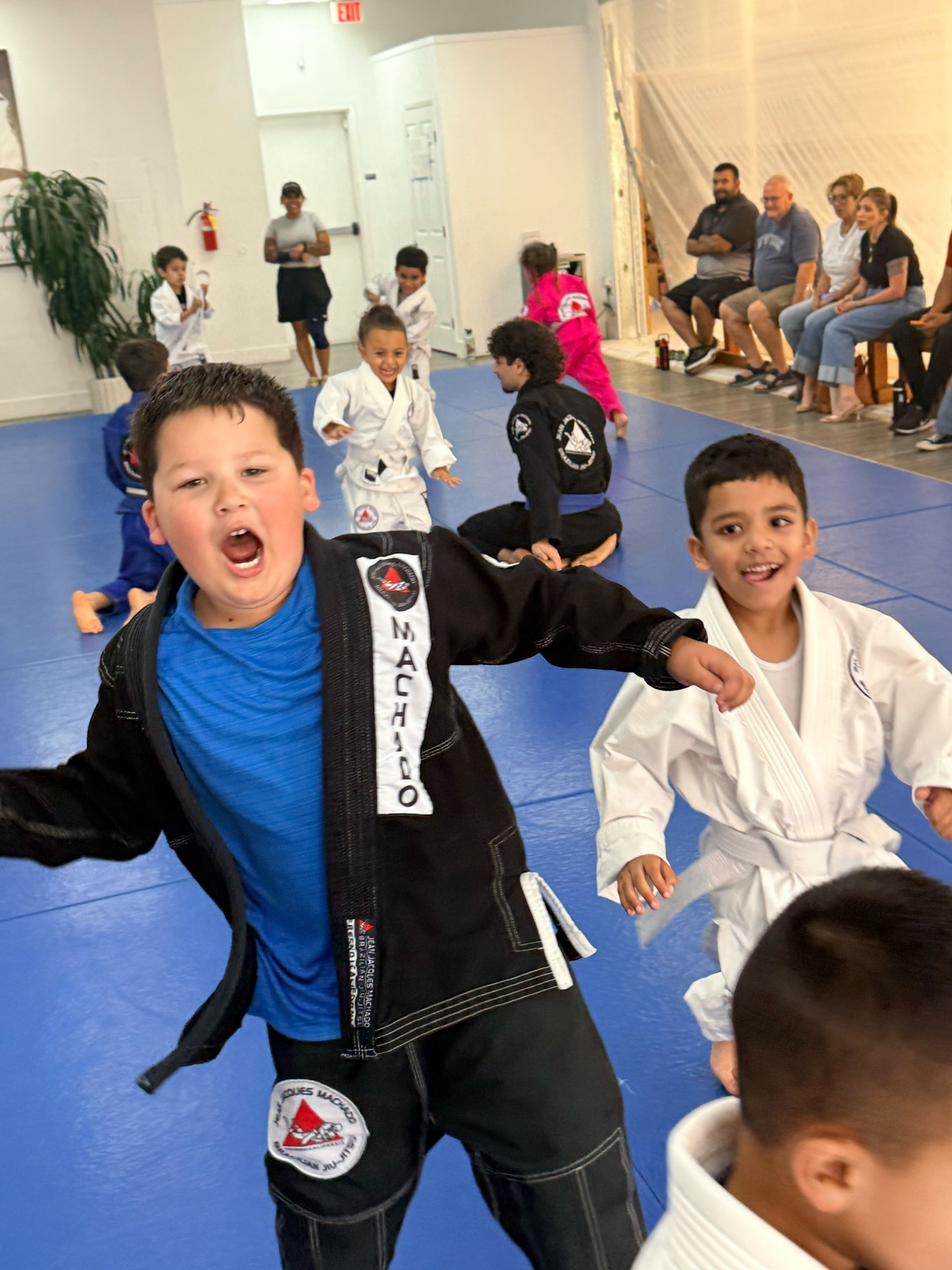
In kids classes, we focus on self-control, listening skills, and safe physical problem-solving. The goal is not to create little fighters. The goal is to help kids feel capable, resilient, and respectful.
For parents, it is also reassuring to see a clear structure: rules, boundaries, and instructors who keep the room organized. When families train in the same community, consistency gets easier.
What makes our training approach different for beginners
We built our program around a few non-negotiables that matter to first-timers.
• Direct, technical instruction that stays focused on details that actually work
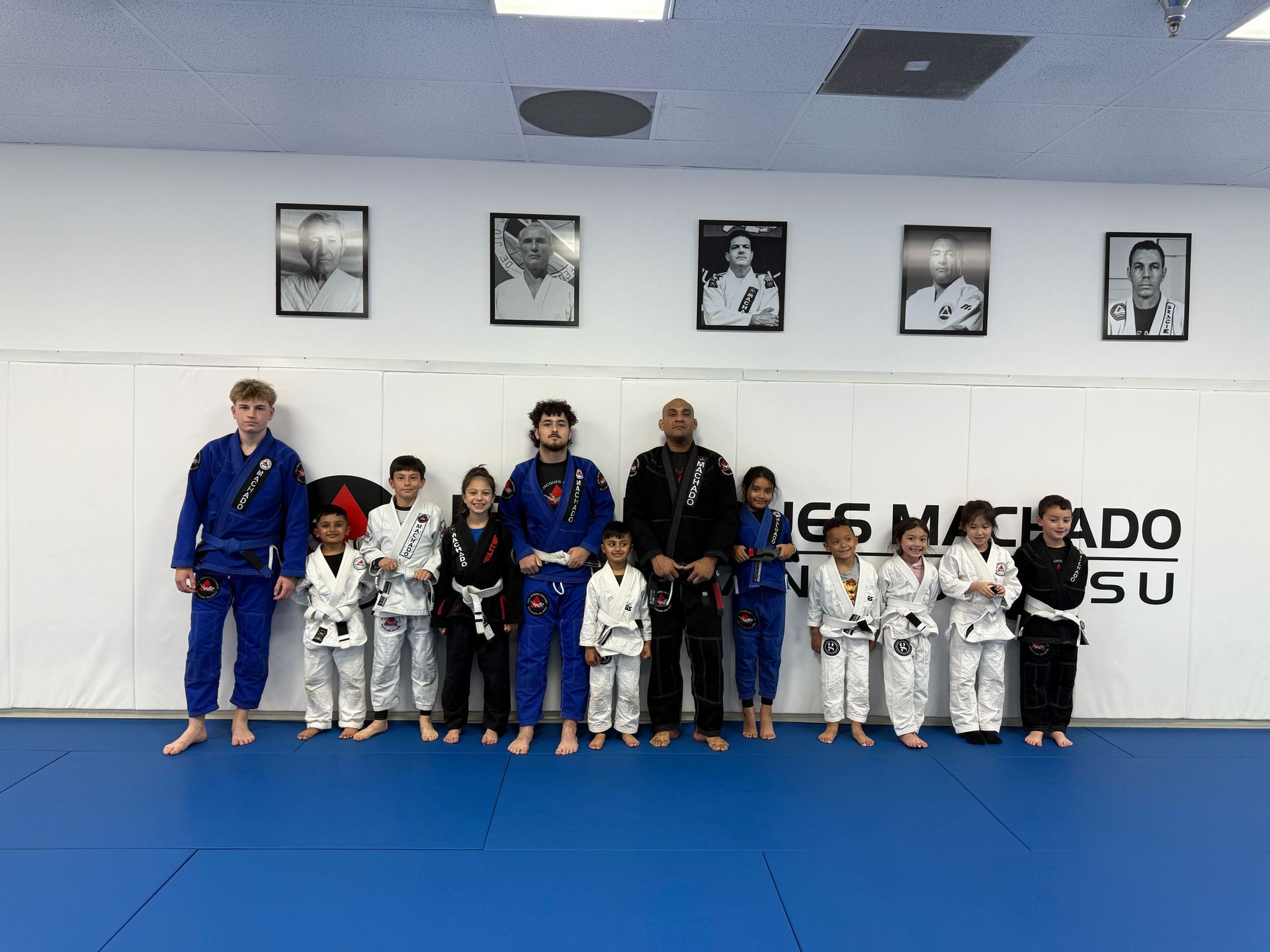
• A friendly room culture where beginners get help instead of being ignored
• Progressive intensity so you can build timing and confidence safely
• Practical self-defense concepts without turning class into a lecture
• Real skill progression, not quick promotions that do not hold up
You will also notice that we care about fundamentals. Flashy techniques are fun, but fundamentals are what keep you safe and effective. When you can escape, stand up, and control positions, everything else becomes easier.
Beginner FAQ: quick answers we give every week
Do I need to be athletic to start?
No. We coach you through movement, and your fitness improves as you train.
What should I wear to the first class?
Comfortable athletic clothing is fine if you do not have a gi yet. We will guide you from there.
Will I have to spar right away?
We introduce live training progressively. Your first priority is learning the basics safely.
Is this affordable and worth it?
Our goal is to provide high value: instruction, structure, and a community you actually want to return to.
Can I try a class before committing?
Yes. A trial class is the best way to feel the pace, meet us, and see if it fits your goals.
Ready to Begin
Building real skill in martial arts comes down to consistent practice, clear coaching, and a room where you can be a beginner without feeling out of place. That is exactly what we aim to provide every day on the mats, with instruction tied to a direct lineage under Jean Jacques Machado and a focus on technique that holds up in real training.
If you are ready to explore martial arts in Fresno in a way that is structured, welcoming, and practical for adults and families, we would love to have you in for a first class at Jean Jacques Machado Jiu-Jitsu Fresno at 6701 N Milburn Ave, Fresno, CA 93722.
New to martial arts training? Start with a class at Jean Jacques Machado Jiu-Jitsu Fresno.